Ernst Bacon
To Make A Prairie
Released Album
Recent Album

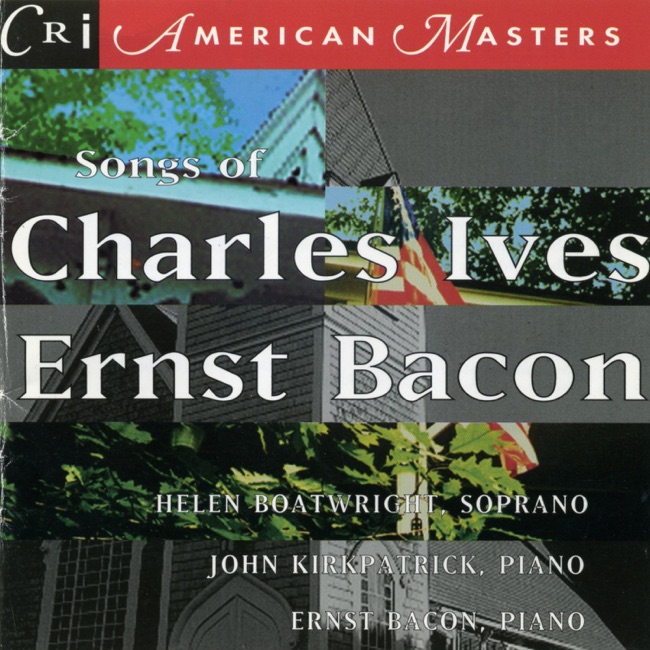
Featured Album
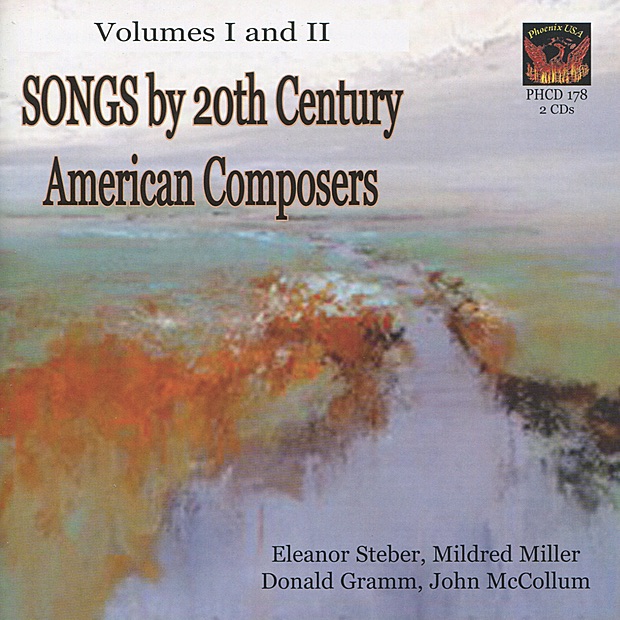
Works Info
Composer:Ernst BaconGenre:VocalStyle:Vocal MusicCompose Date:1940 - 1944Average_duration:0:54Ernst Bacon's "To Make A Prairie" is a song cycle composed in 1945, with lyrics by Emily Dickinson. The piece premiered in New York City in 1946, performed by soprano soloist and piano accompaniment. The cycle consists of five movements, each with its own unique characteristics. The first movement, "To Make A Prairie," is a lively and energetic piece that sets the tone for the rest of the cycle. The piano accompaniment is playful and bouncy, while the soprano sings of the process of creating a prairie, using vivid imagery and Dickinson's signature use of dashes. The second movement, "The Grass," is a slower and more contemplative piece. The piano accompaniment is more subdued, allowing the soprano's voice to take center stage. The lyrics describe the beauty and simplicity of grass, and the soprano's voice is full of longing and nostalgia. The third movement, "A Light Exists In Spring," is a delicate and ethereal piece. The piano accompaniment is sparse, with gentle arpeggios and soft chords. The soprano's voice is light and airy, conveying the sense of renewal and hope that comes with spring. The fourth movement, "The Robin's My Criterion For Tune," is a lively and playful piece. The piano accompaniment is once again bouncy and energetic, while the soprano sings of the joy and freedom of the robin's song. The lyrics are full of Dickinson's trademark wit and humor. The final movement, "Prairie Sunset," is a haunting and melancholy piece. The piano accompaniment is sparse and mournful, while the soprano sings of the beauty and sadness of a prairie sunset. The lyrics are full of Dickinson's trademark dashes and vivid imagery, and the soprano's voice is full of emotion and longing. Overall, "To Make A Prairie" is a beautiful and evocative song cycle that showcases both Ernst Bacon's skill as a composer and Emily Dickinson's talent as a poet. The cycle's five movements each have their own unique characteristics, but together they create a cohesive and powerful work of art.More....
Works Music