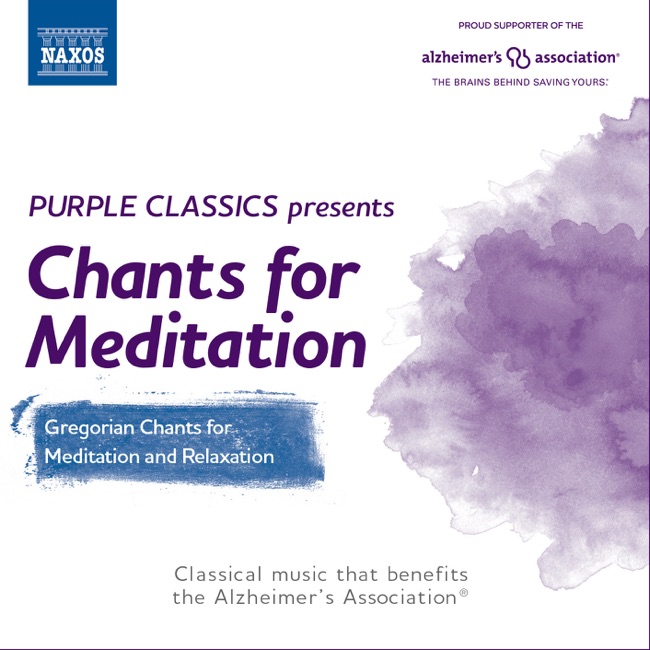
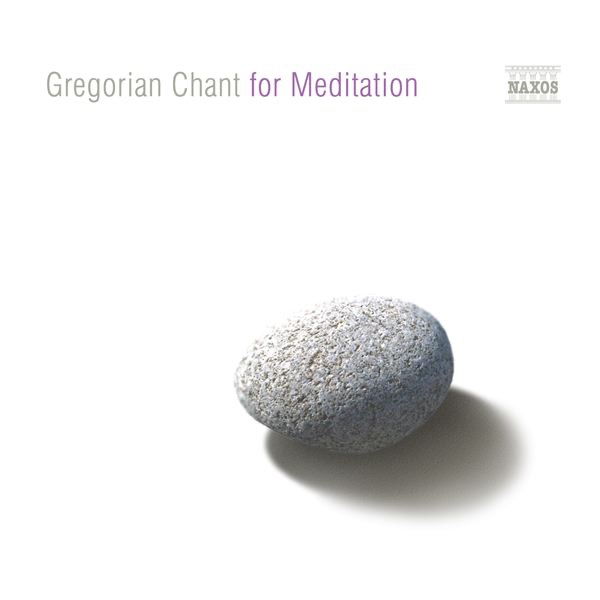
Gregorian Chant
Deus, iudex iustus, Versus alleluiatici
Released Album
Recent Album
Works Info
Composer:Gregorian ChantStyle:AlleluiaAverage_duration:2:53Deus, iudex iustus, Versus alleluiatici is a Gregorian Chant that is believed to have been composed in the 9th century. It is a hymn that is typically sung during the liturgical season of Lent, and it is often used as a processional chant during the Mass. The hymn is comprised of two verses, each of which is followed by an Alleluia refrain. The first verse begins with the words "Deus, iudex iustus" (God, the just judge), and it speaks of the judgment that will come at the end of time. The second verse begins with the words "Rex tremendae maiestatis" (King of awesome majesty), and it speaks of the power and glory of God. The Alleluia refrain that follows each verse is a joyful exclamation of praise, and it serves to contrast the solemnity of the verses themselves. The melody of the chant is simple and repetitive, with a narrow range of notes that give it a haunting quality. One of the characteristics of Gregorian Chant is its use of a single melody line, without any accompanying harmony or instrumentation. This allows the text to be the focus of the music, and it creates a sense of unity and simplicity that is characteristic of the chant. Overall, Deus, iudex iustus, Versus alleluiatici is a powerful and evocative hymn that speaks to the themes of judgment, power, and glory that are central to the Christian faith. Its use during the season of Lent serves to remind us of the solemnity of this time, and its simple melody and repetitive structure make it a memorable and effective piece of music.More....
Works Music
Released Music