William Byrd
De lamentatione Jeremiae
Released Album
Recent Album
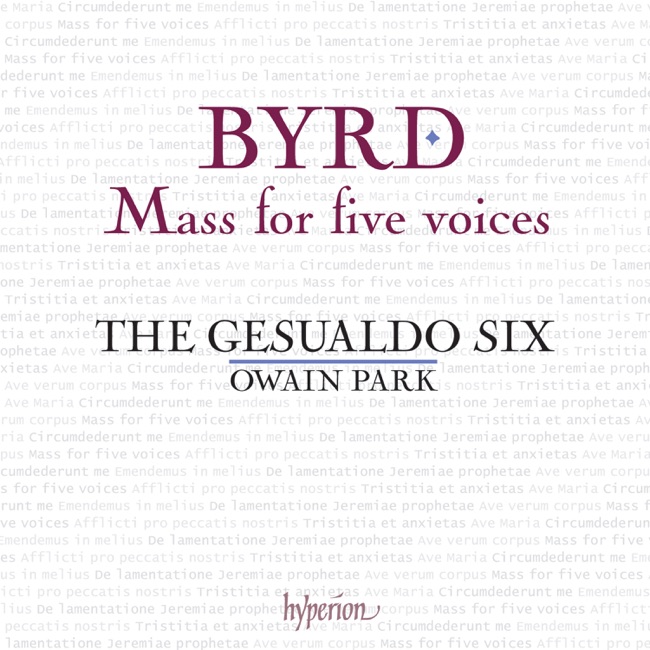
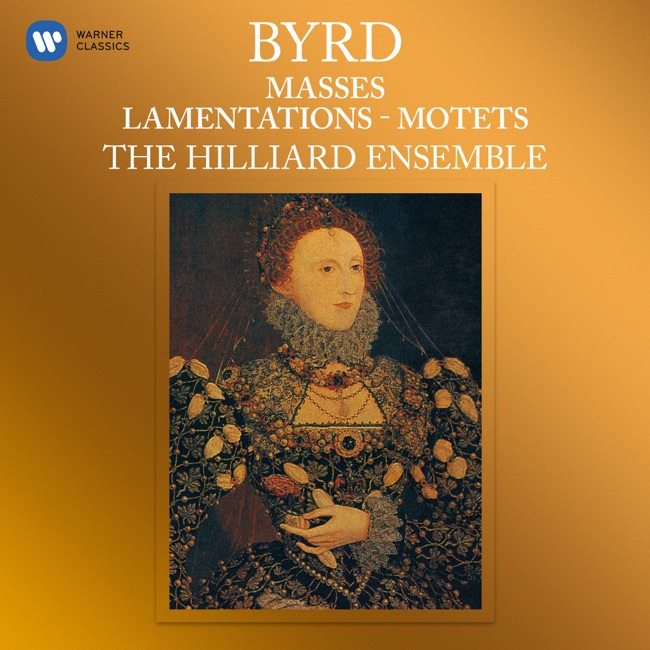
Featured Album
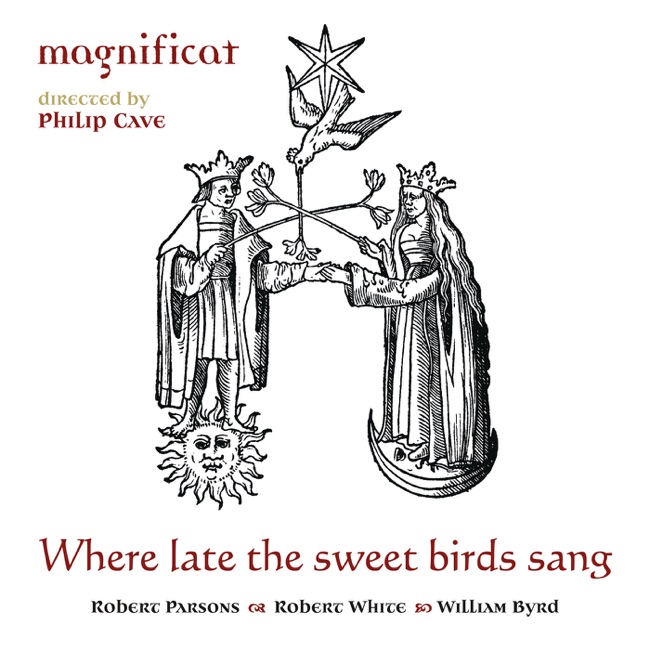
Works Info
Composer:William ByrdGenre:ChoralStyle:MotetAverage_duration:12:52De lamentatione Jeremiae is a sacred choral work composed by William Byrd in the late 16th century. The piece is a setting of the text from the Book of Lamentations, which describes the destruction of Jerusalem and the suffering of its people. Byrd's composition is a masterful example of Renaissance polyphony, with intricate vocal lines and rich harmonies. The piece was likely composed in the 1580s or 1590s, during a period when Byrd was working for the Catholic Church in England. It was likely intended for use during Holy Week, when the Lamentations text is traditionally read in churches. The work is scored for five voices (SSATB) and is divided into three movements. The first movement, "Incipit Lamentatio," begins with a mournful, chant-like melody in the alto voice. The other voices gradually join in, creating a dense, polyphonic texture. The music is characterized by dissonant harmonies and frequent use of suspensions, which create a sense of tension and release. The second movement, "De Lamentatione," is more complex and features a variety of textures and moods. The opening section is marked by a series of descending chromatic lines, which create a sense of despair and hopelessness. This is followed by a section in which the voices imitate each other, creating a sense of unity and solidarity. The movement ends with a return to the opening material, but with a more hopeful, major-key ending. The final movement, "Sicut Cervus," is a setting of a psalm text that is often associated with the Lamentations. The music is more upbeat and joyful than the previous movements, with a lively, dance-like rhythm and bright harmonies. The piece ends with a triumphant, homophonic section in which all the voices sing together. Overall, De lamentatione Jeremiae is a powerful and moving work that showcases Byrd's skill as a composer of sacred music. Its intricate vocal writing and rich harmonies make it a masterpiece of Renaissance polyphony, and its emotional depth and expressive power continue to resonate with audiences today.More....