Franz Liszt
Prometheus for 2 pianos, S. 639
Released Album
Recent Album

Works Info
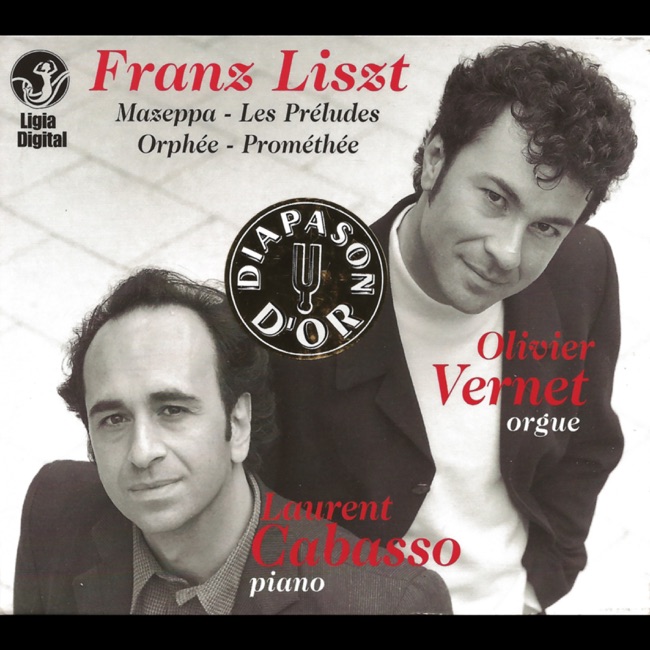
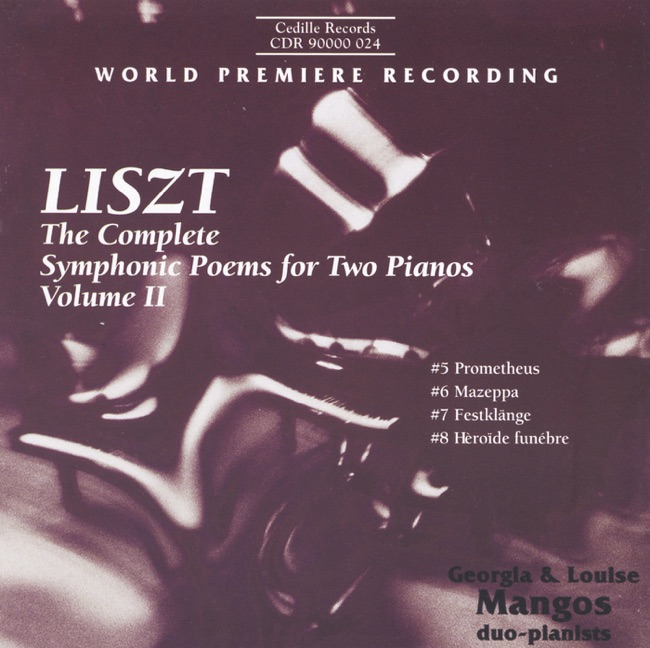
Composer:Franz LisztGenre:KeyboardStyle:KeyboardCompose Date:1855 - 1856Publication Date:1856Average_duration:12:58Franz Liszt's "Prometheus for 2 pianos, S. 639" is a musical composition that was composed in 1850. The piece was premiered in Weimar, Germany, on August 9, 1850, with Liszt himself and his student, Hans von Bülow, performing on two pianos. The composition is divided into three movements, each of which represents a different aspect of the Prometheus myth. The first movement, titled "Prometheus Unbound," is a powerful and dramatic piece that represents the moment when Prometheus breaks free from his chains and defies the gods. The second movement, titled "Prometheus in the Caucasus," is a more subdued and contemplative piece that represents Prometheus's time spent in captivity. The final movement, titled "Prometheus's Deliverance," is a triumphant and celebratory piece that represents Prometheus's ultimate victory over the gods. One of the most notable characteristics of "Prometheus for 2 pianos, S. 639" is its use of virtuosic piano techniques. Liszt was known for his incredible piano skills, and he incorporated many challenging and complex techniques into this composition. The piece also features a wide range of dynamics, from soft and delicate passages to thunderous and powerful sections. Another characteristic of the composition is its use of programmatic elements. Liszt was known for his interest in program music, which is music that tells a story or represents a specific idea or emotion. In "Prometheus for 2 pianos, S. 639," Liszt uses the music to represent the different aspects of the Prometheus myth, creating a vivid and evocative musical narrative. Overall, "Prometheus for 2 pianos, S. 639" is a powerful and dynamic composition that showcases Liszt's incredible piano skills and his ability to create evocative and programmatic music. Its premiere in 1850 was a significant event in Liszt's career, and the piece remains a popular and influential work in the classical piano repertoire.More....
Works Music
Released Music