Francesco Mancini
Sonata No. 20 in C minor
Released Album
Recent Album
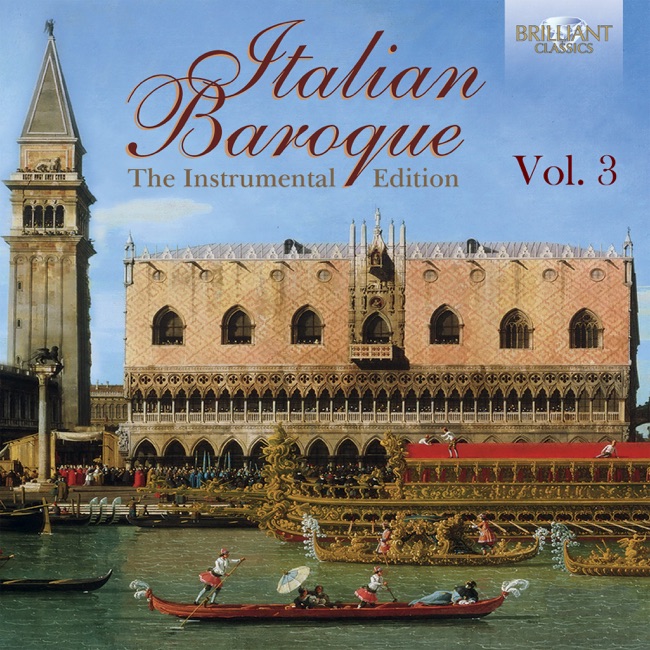
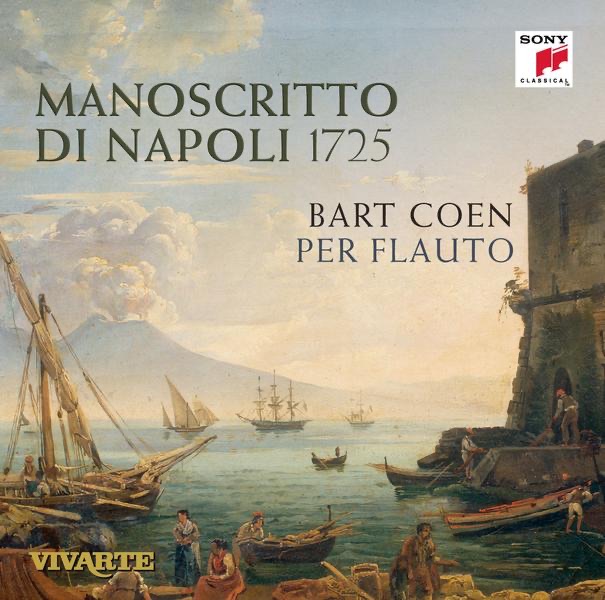
Works Info
Composer:Francesco ManciniStyle:SonataAverage_duration:8:30Francesco Mancini was an Italian composer and flutist who lived from 1672 to 1737. He was a prominent figure in the Baroque era and was known for his contributions to the development of the sonata form. One of his most famous works is the Sonata No. 20 in C minor, which was composed in the early 18th century. The Sonata No. 20 in C minor is a three-movement work that is typical of the Baroque sonata form. It was composed for the flute and basso continuo, which typically consists of a harpsichord and a cello or bassoon. The sonata is characterized by its virtuosic flute writing, which showcases the technical abilities of the performer. The first movement of the sonata is marked Allegro and is in a fast 3/4 time signature. It begins with a lively flute melody that is accompanied by the basso continuo. The movement features a number of virtuosic passages for the flute, including rapid runs and trills. The middle section of the movement is more lyrical and features a slower, more expressive melody. The movement ends with a return to the opening theme and a virtuosic cadenza for the flute. The second movement of the sonata is marked Adagio and is in a slow 4/4 time signature. It begins with a simple, expressive melody played by the flute. The basso continuo provides a gentle accompaniment, with the harpsichord playing arpeggios and the cello or bassoon playing sustained notes. The movement is characterized by its lyrical and expressive qualities, with the flute playing long, flowing lines. The third movement of the sonata is marked Allegro and is in a fast 3/8 time signature. It begins with a lively, dance-like melody played by the flute. The basso continuo provides a rhythmic accompaniment, with the harpsichord playing chords and the cello or bassoon playing a bass line. The movement features a number of virtuosic passages for the flute, including rapid runs and trills. The movement ends with a lively coda that brings the sonata to a close. The Sonata No. 20 in C minor was premiered in the early 18th century and quickly became a popular work among flutists. It is still performed today and is considered a staple of the flute repertoire. The sonata is characterized by its virtuosic flute writing, expressive melodies, and lively dance rhythms, all of which are typical of the Baroque era.More....