Charles Ives
Study No. 18: Sunrise Cadenza, S. 102
Released Album
Recent Album
Works Info
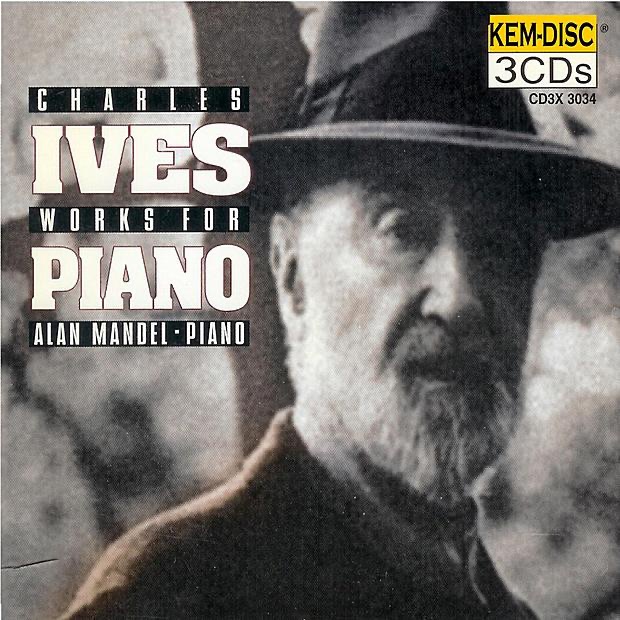
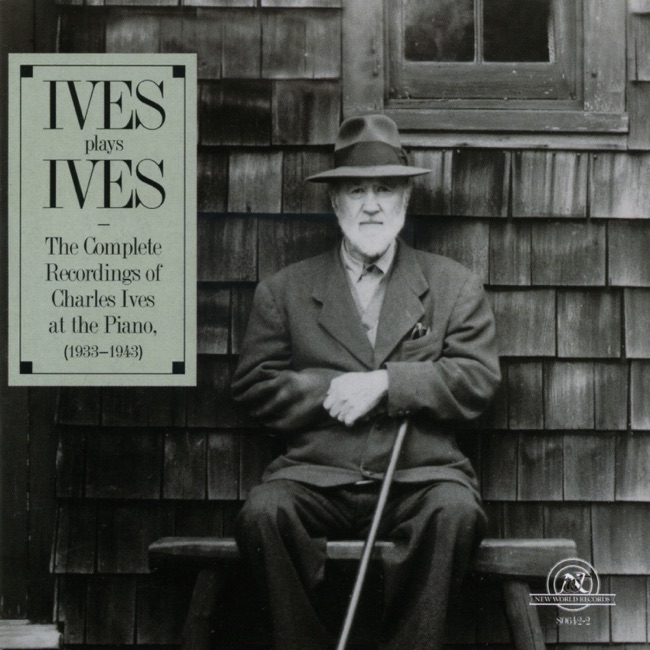
Composer:Charles IvesGenre:KeyboardStyle:KeyboardFirst Performance:Apr 19, 1991Average_duration:5:15Charles Ives was an American composer who is known for his experimental and innovative approach to music. One of his most famous works is the "Study No. 18: Sunrise Cadenza, S. 102," which was composed in 1927. The piece was premiered on May 17, 1928, at the Coolidge Auditorium in Washington, D.C. It is a solo piano piece that is part of a series of studies that Ives composed to explore different musical techniques and ideas. The "Sunrise Cadenza" is divided into three movements. The first movement is marked "Largo," and it begins with a series of dissonant chords that gradually build in intensity. The second movement is marked "Allegro," and it features a fast and frenetic melody that is played in the right hand while the left hand provides a steady accompaniment. The final movement is marked "Adagio," and it features a slow and contemplative melody that is played in the right hand while the left hand provides a simple accompaniment. One of the most notable characteristics of the "Sunrise Cadenza" is its use of dissonance. Ives was known for his use of dissonant chords and unconventional harmonies, and this piece is no exception. The dissonance creates a sense of tension and unease that is characteristic of Ives' music. Another characteristic of the piece is its use of complex rhythms. The "Allegro" movement, in particular, features a fast and intricate melody that is played in a syncopated rhythm. This creates a sense of energy and excitement that is characteristic of Ives' music. Overall, the "Study No. 18: Sunrise Cadenza, S. 102" is a complex and challenging piece of music that showcases Ives' innovative approach to composition. Its use of dissonance and complex rhythms make it a unique and memorable work that continues to be studied and performed today.More....
Works Music
Released Music