Johann Heinrich Schmelzer
Balletto di Pastori e Ninfe
Released Album
Recent Album
Featured Album
Works Info
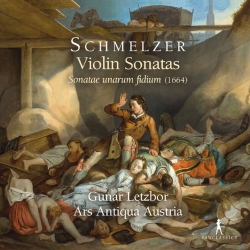
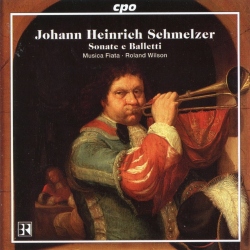
Composer:Johann Heinrich SchmelzerGenre:ChamberAverage_duration:3:10Balletto di Pastori e Ninfe is a Baroque dance suite composed by Johann Heinrich Schmelzer in the 17th century. The piece was first performed in Vienna in 1664 and is considered one of Schmelzer's most famous works. The suite consists of six movements, each depicting a different scene from pastoral life. The first movement, titled "Pastorale," sets the scene with a gentle, flowing melody played by the strings. The second movement, "Ninfa," features a solo violin playing a lively dance tune, accompanied by the rest of the orchestra. The third movement, "Pastorella," is a slower, more contemplative piece that features a solo oboe. The fourth movement, "Ninfe," is a lively dance that features the entire orchestra playing in unison. The fifth movement, "Pastore," is a solo piece for the violin that is both virtuosic and expressive. The final movement, "Ballo," is a lively dance that brings the suite to a joyful conclusion. Throughout the piece, Schmelzer employs a variety of musical techniques, including counterpoint, ornamentation, and improvisation, to create a rich and varied sound. One of the most notable characteristics of Balletto di Pastori e Ninfe is its use of programmatic elements. Each movement is meant to depict a specific scene or character from pastoral life, and Schmelzer uses musical devices to evoke these images. For example, the solo violin in "Ninfa" is meant to represent a playful nymph, while the slower, more contemplative "Pastorella" is meant to evoke the image of a shepherdess tending her flock. Overall, Balletto di Pastori e Ninfe is a masterful example of Baroque dance music, showcasing Schmelzer's skill as a composer and his ability to create vivid musical images.More....
Works Music
Released Music
Featured Music