Marc-Antoine Charpentier
Confitebor tibi Domine, H. 220
Released Album
Recent Album
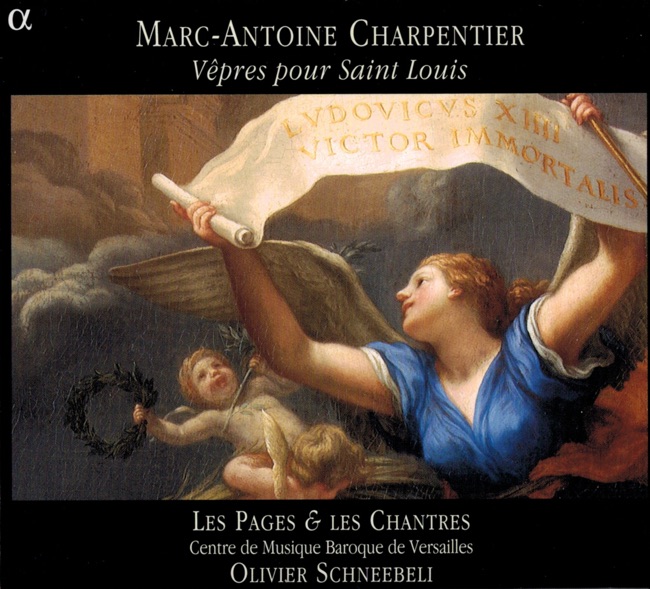
Works Info
Composer:Marc-Antoine CharpentierGenre:ChoralStyle:ChoralAverage_duration:8:24Movement_count:4Movement ....Confitebor tibi Domine, H. 220 is a sacred choral work composed by Marc-Antoine Charpentier in the late 17th century. The piece was likely composed in the early 1690s, during Charpentier's tenure as maître de musique at the Jesuit church of Saint-Louis in Paris. It is believed to have been premiered at Saint-Louis, although the exact date of the premiere is unknown. Confitebor tibi Domine is a setting of Psalm 111 (112 in the Vulgate), which is a hymn of praise to God for his blessings and mercy. The work is divided into eight movements, each of which corresponds to a different verse of the psalm. The movements are as follows: 1. Confitebor tibi Domine - The opening movement is a joyful and exuberant chorus, featuring a lively and rhythmic melody. The choir sings in unison, with occasional bursts of polyphony. 2. Beatus vir - This movement is a solo aria for alto, accompanied by a continuo of cello and organ. The melody is graceful and flowing, with a sense of calm and serenity. 3. Gloria et divitiae - The third movement is a duet for soprano and bass, accompanied by a continuo of cello and organ. The melody is lively and playful, with a sense of joy and celebration. 4. Exortum est in tenebris - This movement is a solo aria for tenor, accompanied by a continuo of cello and organ. The melody is mournful and introspective, with a sense of darkness and despair. 5. Misericors et miserator - The fifth movement is a duet for alto and tenor, accompanied by a continuo of cello and organ. The melody is gentle and tender, with a sense of compassion and mercy. 6. Dispersit, dedit pauperibus - This movement is a solo aria for bass, accompanied by a continuo of cello and organ. The melody is stately and dignified, with a sense of generosity and abundance. 7. Justitia ejus manet in saeculum saeculi - The seventh movement is a chorus, featuring a majestic and grand melody. The choir sings in harmony, with a sense of awe and reverence. 8. Exaltabuntur cornua justi - The final movement is a joyful and triumphant chorus, featuring a lively and rhythmic melody. The choir sings in unison, with occasional bursts of polyphony. Overall, Confitebor tibi Domine is a masterful example of Charpentier's skill in composing sacred choral music. The work features a wide range of musical styles and moods, from joyful celebration to mournful introspection. The melodies are rich and expressive, and the harmonies are complex and sophisticated. Confitebor tibi Domine remains a beloved and frequently performed work in the repertoire of Baroque choral music.More....
Works Music