


Jan Pieterszoon Sweelinck
Tanto tempore vobiscum sum (Cantiones Sacrae No. 36)
Released Album
Recent Album
Works Info
Composer:Jan Pieterszoon SweelinckGenre:ChoralStyle:ChoralPublication Date:1619Average_duration:4:22Jan Pieterszoon Sweelinck was a Dutch composer and organist of the late Renaissance and early Baroque periods. He was born in 1562 in Deventer, Netherlands, and died in 1621 in Amsterdam. Sweelinck was one of the most important composers of his time, and his music had a significant influence on the development of Baroque music. One of Sweelinck's most famous works is "Tanto tempore vobiscum sum" (Cantiones Sacrae No. 36), which was composed in 1614. The piece is a motet for five voices, and it is based on a text from the Gospel of John (14:9-18). The text speaks of Jesus' promise to his disciples that he will always be with them, even after he has left them. The piece is divided into three movements. The first movement is a homophonic setting of the text, with the voices singing in unison. The second movement is a polyphonic setting of the text, with the voices singing in imitation of each other. The third movement is a homophonic setting of the text, with the voices singing in harmony. The characteristics of Sweelinck's music are typical of the late Renaissance period. His music is characterized by its use of counterpoint, which is the art of combining different melodies to create a harmonious whole. Sweelinck's music is also known for its use of chromaticism, which is the use of notes outside of the traditional diatonic scale. This gives his music a unique and complex sound. Overall, "Tanto tempore vobiscum sum" is a beautiful and moving piece of music that showcases Sweelinck's skill as a composer. Its use of counterpoint and chromaticism make it a masterpiece of the late Renaissance period, and it continues to be performed and admired by musicians and audiences alike.More....
Works Music
Released Music
1
Tanto tempore vobiscum sum (Sacrae Songs No. 36)
Tanto tempore vobiscum sum, for 5 voices, SWWV 186
3:13
3
5:11
4
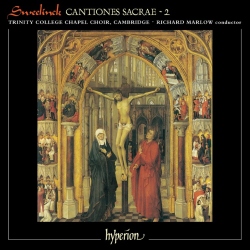
3:44
5
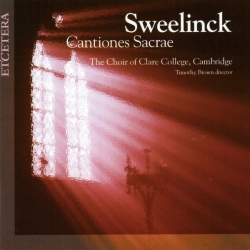
3:30