


Hughes de Courson
Hamilu Lhawa Tahibou (after Papageno's Aria No. 20 from Mozart's Magic Flute)
Released Album
Recent Album
Works Info
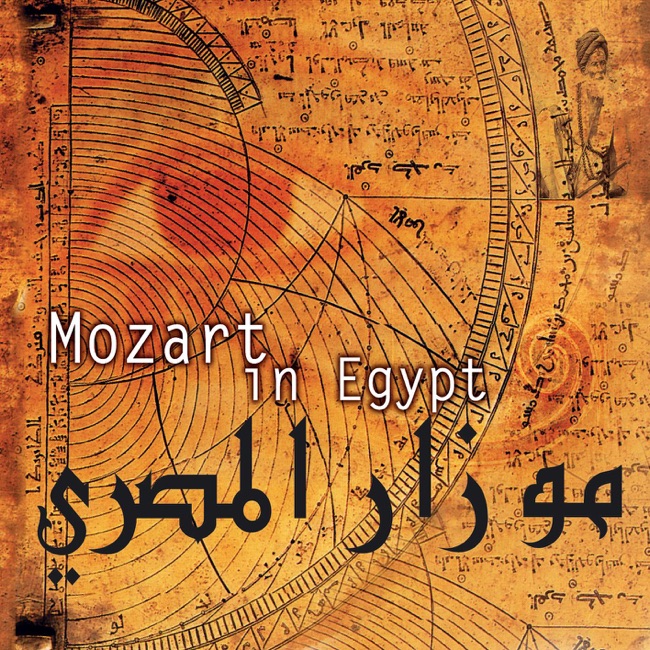
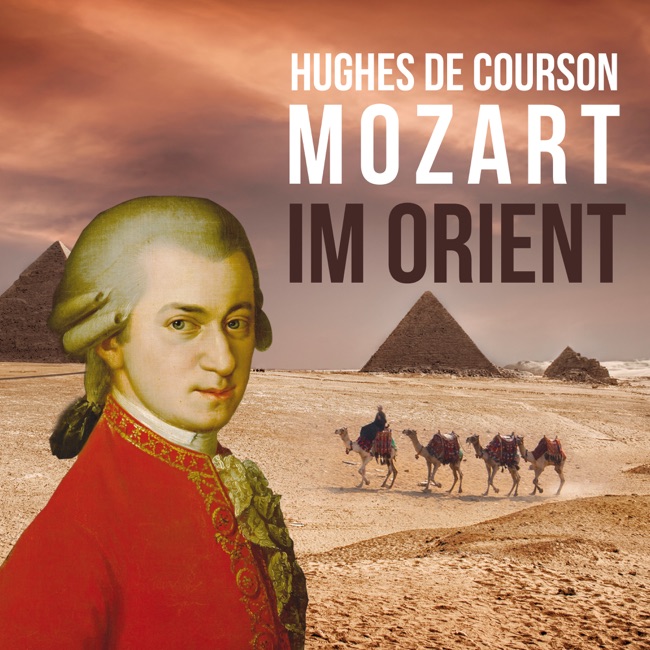
Composer:Hughes de CoursonGenre:VocalStyle:Vocal MusicAverage_duration:3:25'Hamilu Lhawa Tahibou' is a musical composition by Hughes de Courson, a French composer and arranger. The piece is based on Papageno's Aria No. 20 from Mozart's opera 'The Magic Flute'. It was composed in 1991 and premiered in the same year. The composition consists of three movements. The first movement is a slow and melancholic introduction, featuring a solo violin playing a mournful melody. The second movement is a lively and rhythmic section, featuring a combination of traditional North African and Western instruments, including the oud, darbuka, and accordion. The third movement is a reprise of the first, but with a more upbeat and optimistic tone, featuring a solo clarinet. The piece is characterized by its fusion of Western classical music with traditional North African music. De Courson's arrangement incorporates elements of Arab-Andalusian music, a style that originated in medieval Spain and was later brought to North Africa by Muslim refugees. The use of the oud, a traditional Middle Eastern stringed instrument, and the darbuka, a type of drum commonly used in Arabic music, give the piece a distinctly North African flavor. The composition also features elements of improvisation, a hallmark of traditional North African music. The accordion, played by de Courson himself, is used to provide a Western counterpoint to the improvisations of the other instruments. Overall, 'Hamilu Lhawa Tahibou' is a unique and innovative fusion of Western classical and North African music. Its use of traditional instruments and improvisation techniques give it a distinctive sound that sets it apart from other classical compositions.More....
Works Music
Released Music
1
Hamil Lhawa Tahibou (after Papageno's Aria No. 20 from Mozart's Magic Flute)
Hamilu Lhawa Tahibou/Papageno's Aria (After Mozart)
3:25
2
3:25