


Franz Liszt
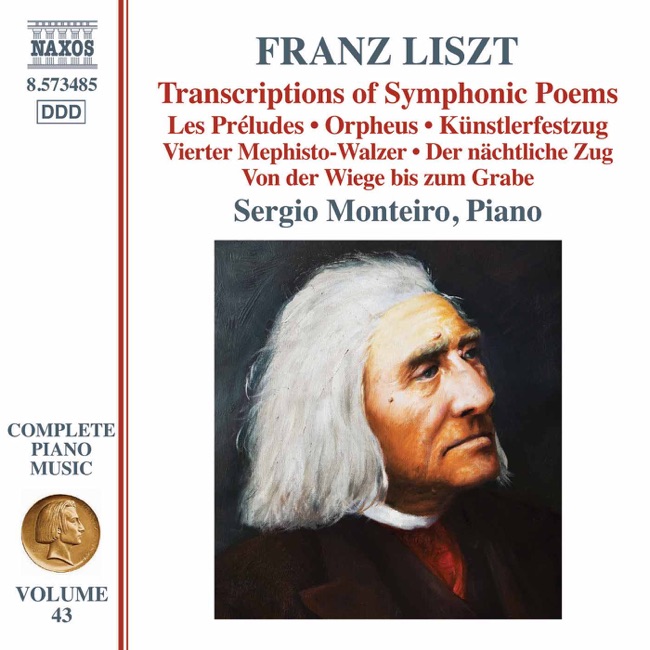
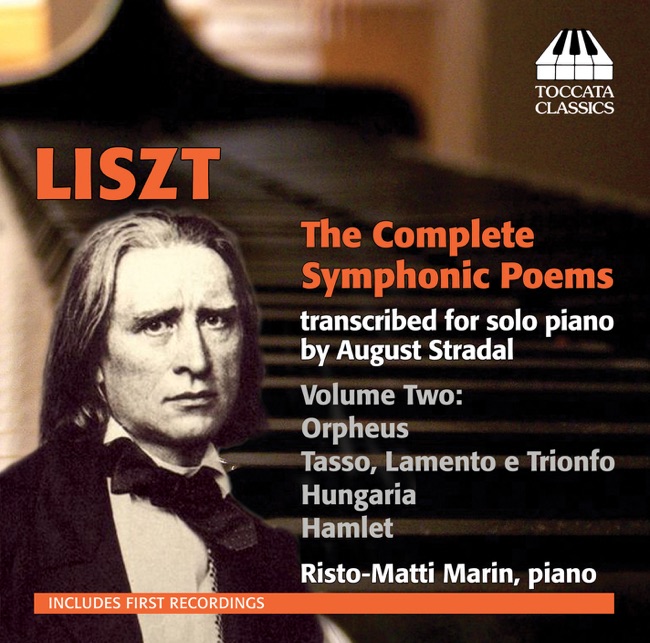
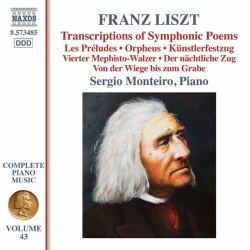
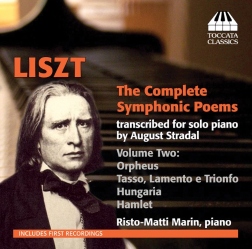
Orpheus, symphonic poem for piano, S. 511b
Released Album
Recent Album
Works Info
Composer:Franz LisztGenre:KeyboardStyle:KeyboardCompose Date:1856Publication Date:1879Average_duration:12:21Franz Liszt's "Orpheus, symphonic poem for piano, S. 511b" was composed in 1853 and premiered in Weimar, Germany on February 16, 1854. The piece is divided into three movements and is approximately 12 minutes in length. The first movement, marked "Lento," begins with a mournful melody played by the strings. The piano enters with a series of arpeggios, which gradually build in intensity. The music becomes more agitated, with the piano and orchestra engaging in a call-and-response dialogue. The movement ends with a return to the mournful melody from the beginning. The second movement, marked "Allegretto," is more lively and playful. The piano introduces a jaunty theme, which is then taken up by the orchestra. The music becomes more complex, with Liszt using a variety of textures and rhythms to keep the listener engaged. The movement ends with a return to the original theme, played by the piano. The final movement, marked "Allegro maestoso," is the most dramatic of the three. The piano and orchestra engage in a fierce battle, with Liszt using a variety of techniques to create a sense of tension and conflict. The music becomes more and more intense, with the piano and orchestra trading off virtuosic passages. The movement ends with a triumphant coda, bringing the piece to a thrilling conclusion. Overall, "Orpheus" is a virtuosic showcase for the piano, with Liszt using the instrument to create a wide range of textures and moods. The piece is also notable for its use of programmatic elements, with Liszt drawing inspiration from the Greek myth of Orpheus and his journey to the underworld. The result is a powerful and evocative work that showcases Liszt's mastery of the symphonic poem form.More....
Works Music
Released Music
1
10:34
3

10:59
4

10:53