Gaetano Donizetti
Gloria Patri-Sicut erat in C major
Released Album
Recent Album
Works Info
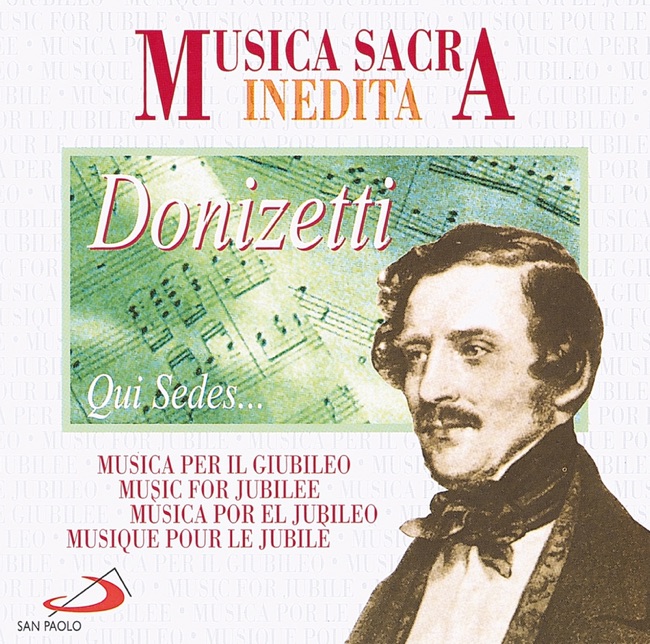
Composer:Gaetano DonizettiGenre:VocalAverage_duration:5:23Gaetano Donizetti was an Italian composer who lived during the early 19th century. He was known for his operas, but he also composed sacred music, including the "Gloria Patri-Sicut erat" in C major. This piece was composed in 1821 and premiered in Bergamo, Italy. The "Gloria Patri-Sicut erat" is a short choral work that consists of two movements. The first movement is a setting of the Gloria Patri, which is a hymn of praise to the Holy Trinity. The second movement is a setting of the Sicut erat, which is a doxology that is often added to the end of the Gloria Patri. The first movement of the "Gloria Patri-Sicut erat" is characterized by its joyful and exuberant nature. The choir sings in unison for much of the movement, with occasional harmonies added for emphasis. The music is fast-paced and energetic, with a sense of urgency that reflects the text's emphasis on praising God. The second movement of the "Gloria Patri-Sicut erat" is more subdued than the first. The choir sings in a slower tempo, with a more contemplative mood. The harmonies are more complex in this movement, with the choir singing in four-part harmony for much of the piece. The music builds to a climax towards the end of the movement, with the choir singing the final phrase of the Sicut erat in a triumphant manner. Overall, the "Gloria Patri-Sicut erat" is a beautiful example of Donizetti's sacred music. It showcases his ability to write music that is both joyful and contemplative, and it is a testament to his skill as a composer.More....
Works Music
Released Music