Gregorian Chant
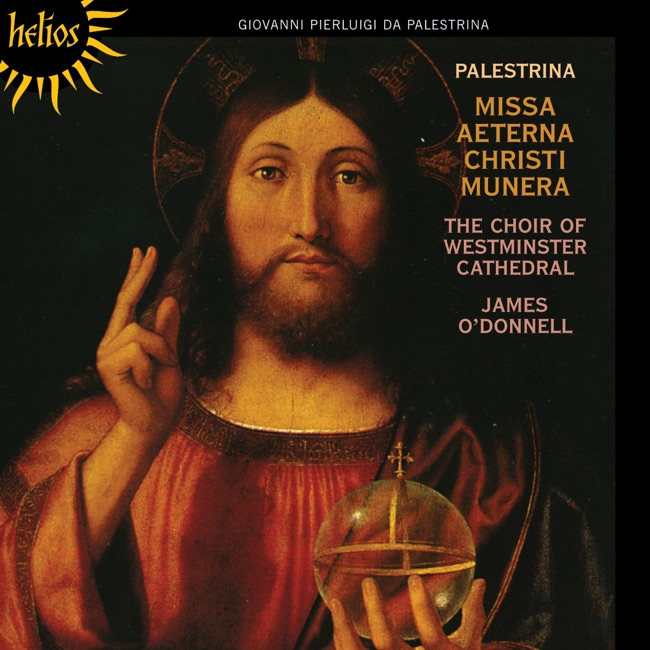
Aeterna Christi Munera
Released Album
Recent Album

Featured Album
Works Info
Composer:Gregorian ChantGenre:ChoralStyle:ChantAverage_duration:2:45Aeterna Christi Munera is a hymn composed in Gregorian Chant, which is a form of plainchant that originated in medieval Western Europe. The hymn is believed to have been composed in the 7th century by St. Ambrose, the Bishop of Milan. It is a hymn that is often sung during the liturgical season of Lent. The hymn has seven verses, each of which is characterized by its own unique melody. The first verse begins with the words "Aeterna Christi Munera," which translates to "Eternal gifts of Christ." The hymn is a prayer of thanksgiving to Christ for his gifts of salvation and redemption. The premiere of Aeterna Christi Munera is not known, as it has been sung for centuries in the Catholic Church. However, it is believed to have been widely sung during the Middle Ages, when Gregorian Chant was at its height of popularity. The hymn is divided into seven movements, each of which corresponds to one of the seven verses. Each movement is characterized by a different melody, which is sung in unison by the choir. The melodies are simple and repetitive, with a focus on the text of the hymn. The characteristics of Aeterna Christi Munera are typical of Gregorian Chant. The melody is monophonic, meaning that it is sung in unison without any harmony or accompaniment. The rhythm is free-flowing, with no strict time signature. The text is sung in Latin, which was the language of the Catholic Church during the Middle Ages. Overall, Aeterna Christi Munera is a beautiful example of Gregorian Chant. Its simple melodies and repetitive rhythms make it easy to sing and remember, while its powerful text makes it a moving prayer of thanksgiving to Christ.More....
Works Music
Released Music
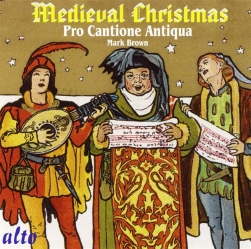

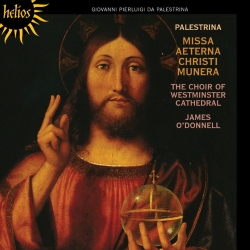
Featured Music