


Joaquín Rodrigo
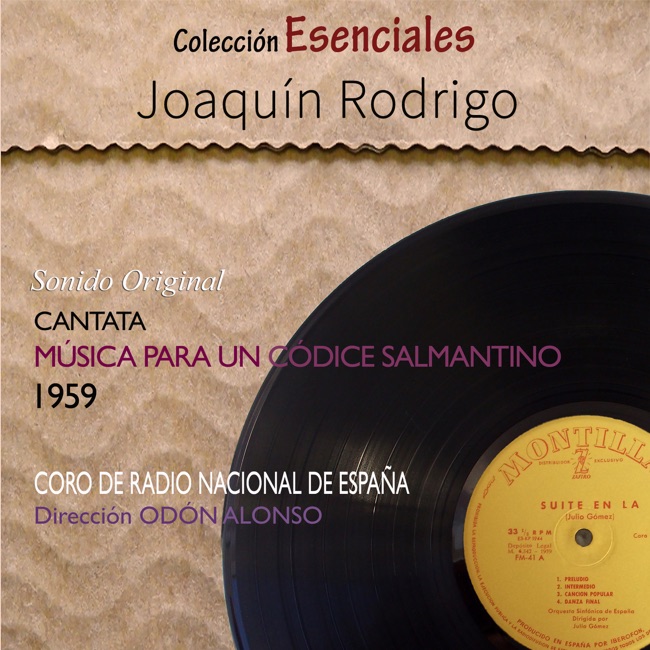
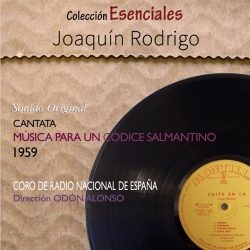
Música para un códice salmantino
Released Album
Recent Album
Works Info
Composer:Joaquín RodrigoGenre:ChoralStyle:CantataCompose Date:1953First Performance:Oct 12, 1953Average_duration:11:39Joaquín Rodrigo's 'Música para un códice salmantino' was composed in 1960 and premiered on May 12, 1961, in Salamanca, Spain. The piece is divided into three movements, each of which is inspired by a different manuscript from the Salamanca Cathedral archives. The first movement, 'Canción del peregrino', is based on a 15th-century manuscript that contains a song sung by pilgrims on their way to Santiago de Compostela. The music is characterized by a simple, folk-like melody that is accompanied by a gentle, flowing rhythm. The use of modal harmonies and the incorporation of medieval musical elements give the movement a timeless quality. The second movement, 'Danza de la pastora', is based on a 16th-century manuscript that contains a dance performed by a shepherdess. The music is lively and rhythmic, with a playful melody that is passed between the different instruments of the ensemble. The use of syncopated rhythms and the incorporation of Spanish folk music elements give the movement a distinctly Spanish flavor. The third movement, 'Canto de la Sibila', is based on a 14th-century manuscript that contains a song sung by a female prophetess. The music is haunting and ethereal, with a melody that is sung by a solo soprano and accompanied by the ensemble. The use of dissonant harmonies and the incorporation of medieval musical elements give the movement a mystical quality. Overall, 'Música para un códice salmantino' is a beautiful and evocative piece of music that showcases Joaquín Rodrigo's skill as a composer. The use of different manuscripts as inspiration for each movement gives the piece a sense of historical depth and cultural richness, while the incorporation of different musical elements creates a unique and captivating sound.More....
Works Music
Released Music
1
12:49
4
12:7