Francisco Tárrega
Prelude, for guitar in D major ("Andantino")
Released Album
Recent Album

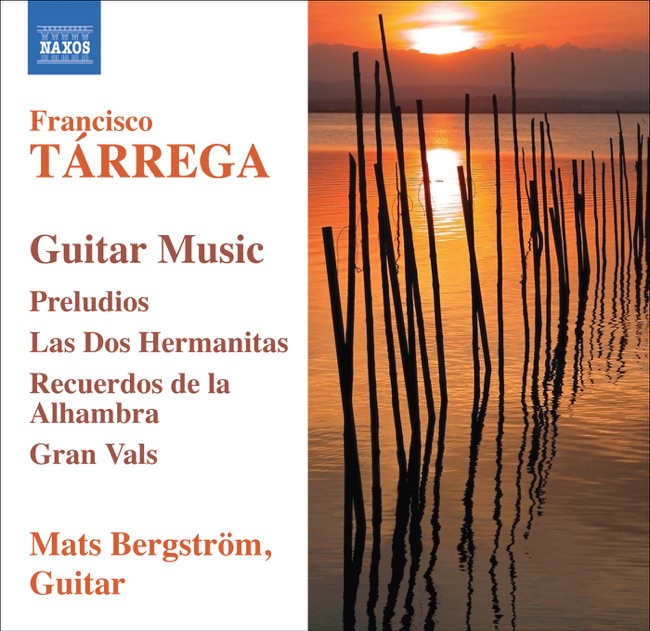
Works Info
Composer:Francisco TárregaGenre:ChamberStyle:PreludeAverage_duration:0:27Francisco Tárrega was a Spanish composer and guitarist who lived from 1852 to 1909. He is considered one of the most important figures in the development of the classical guitar as a solo instrument. Tárrega's Prelude in D major (Andantino) is one of his most famous compositions. The Prelude in D major was composed in the late 19th century, although the exact date is unknown. It was first published in 1902, three years before Tárrega's death. The piece is in the key of D major and is written in 3/4 time. The Prelude is a relatively short piece, consisting of only 16 measures. It is divided into two sections, each of which is repeated. The first section is characterized by a flowing melody that is played over a simple accompaniment. The melody is marked "Andantino," which means "moderately slow." The second section is more lively and features a series of arpeggios that lead back to the opening melody. One of the most notable characteristics of the Prelude is its use of harmonics. Harmonics are a technique in which the player lightly touches the string at a specific point to produce a high-pitched, bell-like sound. Tárrega uses harmonics in several places throughout the piece, including the opening measures and the final chord. Another characteristic of the Prelude is its use of ornamentation. Ornamentation refers to the addition of small, decorative notes to a melody. Tárrega uses trills, mordents, and other ornaments to add interest and variety to the piece. Overall, the Prelude in D major is a beautiful and expressive piece that showcases Tárrega's skill as a composer and guitarist. Its flowing melody, use of harmonics, and ornamentation make it a favorite among guitarists and audiences alike.More....
Works Music