Alois Luigi Tomasini
Trio for 2 violins & cello in G major, K. 27
Released Album
Recent Album
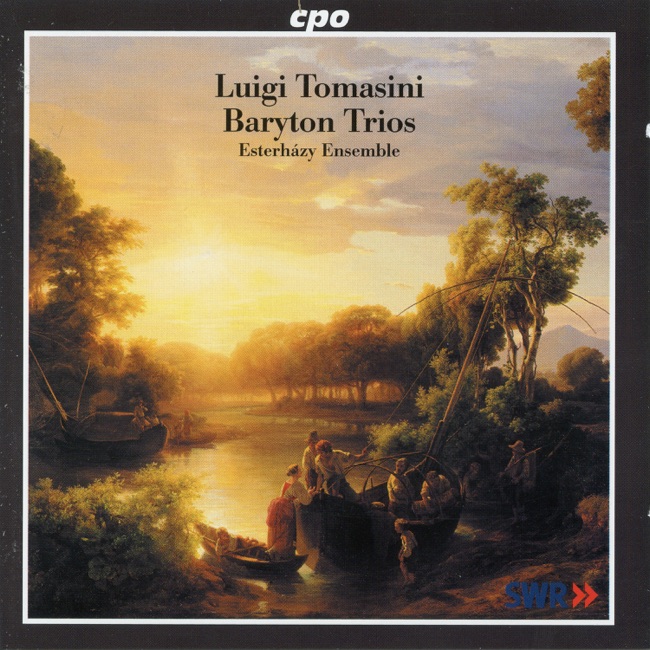
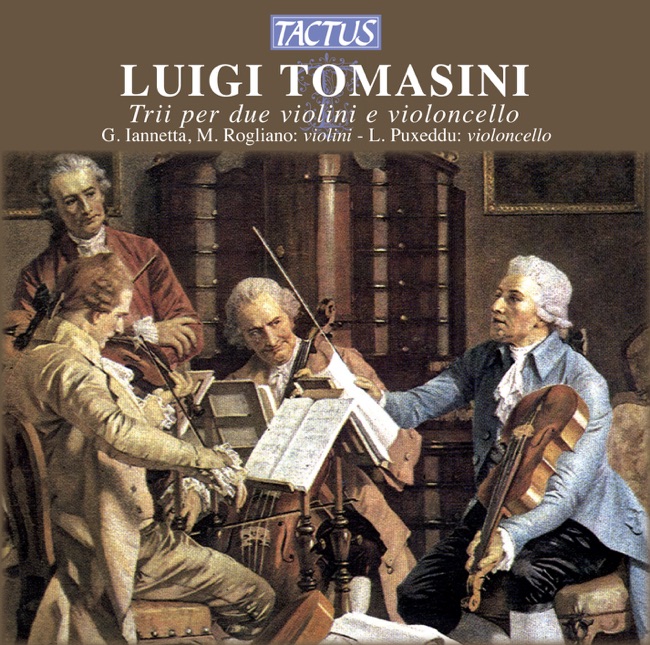
Works Info
Composer:Alois Luigi TomasiniGenre:ChamberStyle:Chamber MusicAverage_duration:15:34Movement_count:3Movement ....The Trio for 2 violins & cello in G major, K. 27, was composed by Alois Luigi Tomasini in the late 18th century. The exact date of composition is unknown, but it is believed to have been written around 1772-1773. The piece was premiered in Salzburg, Austria, where Tomasini was a member of the court orchestra. The trio consists of three movements: Allegro, Andantino grazioso, and Presto. The first movement, Allegro, is in sonata form and begins with a lively and cheerful theme played by the two violins. The cello then enters with a counter-melody, and the two violins engage in a playful dialogue. The second theme is more lyrical and is introduced by the first violin. The development section explores the themes further, and the movement ends with a recapitulation of the main themes. The second movement, Andantino grazioso, is a slow and graceful piece in A minor. The first violin plays a simple and elegant melody, accompanied by the second violin and cello. The middle section features a more complex and expressive melody, which is then repeated by the first violin. The movement ends with a return to the opening theme. The final movement, Presto, is a fast and energetic piece in G major. The two violins play a lively and syncopated theme, which is then taken up by the cello. The middle section features a more lyrical melody, which is then developed further by the violins. The movement ends with a return to the opening theme, played in a faster tempo. The Trio for 2 violins & cello in G major, K. 27, is a charming and delightful piece of chamber music. It showcases Tomasini's skill as a composer and his ability to write music that is both technically challenging and musically engaging. The piece is characterized by its lively and playful themes, graceful melodies, and virtuosic passages for the violins and cello. It is a testament to the rich tradition of classical music in Austria during the 18th century.More....
Works Music
Released Music