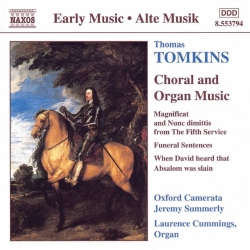
Thomas Tomkins
Voluntary for keyboard
Released Album
Recent Album
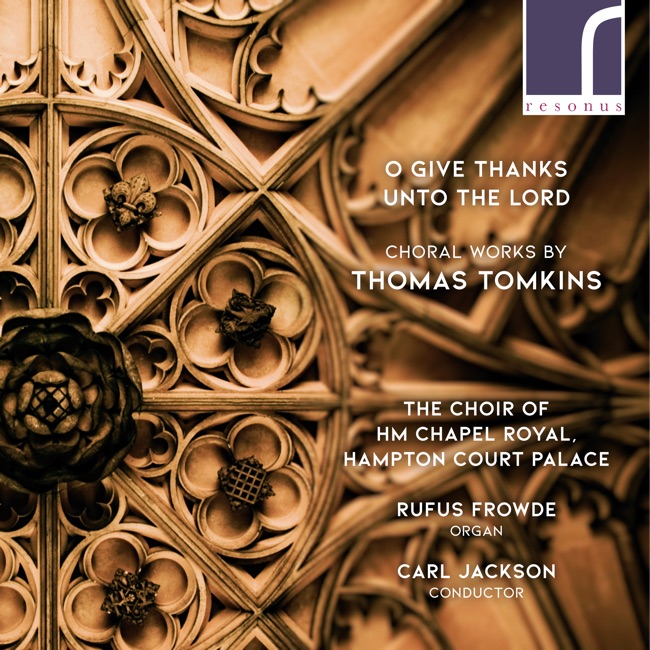
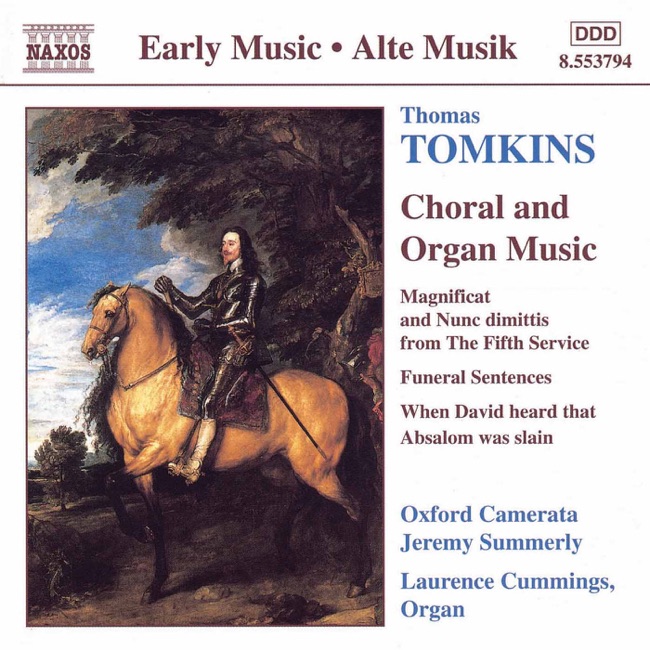
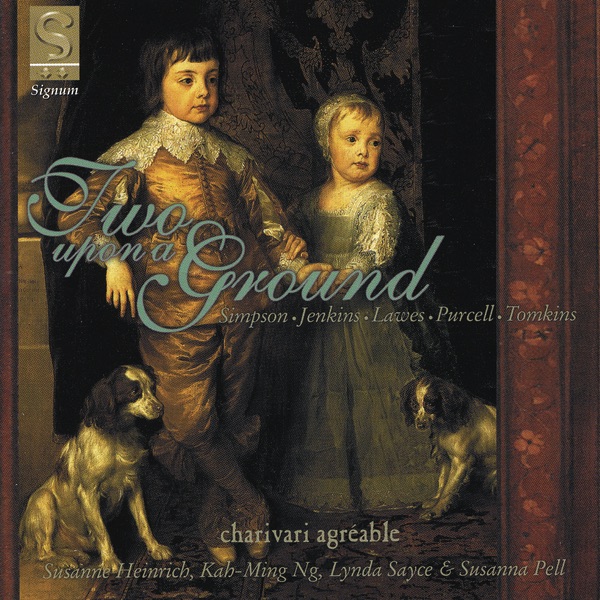
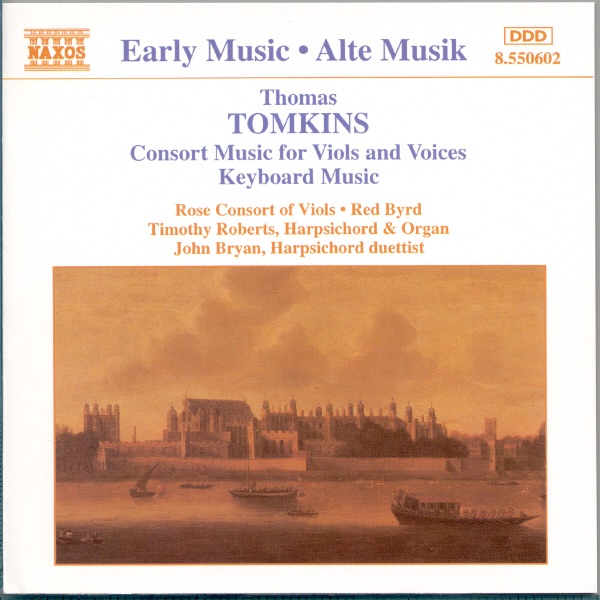
Works Info
Composer:Thomas TomkinsGenre:KeyboardStyle:VoluntaryCompose Date:before 1645Average_duration:2:38Thomas Tomkins was an English composer and organist who lived from 1572 to 1656. He was a prolific composer of keyboard music, and one of his most famous works is the "Voluntary for keyboard." The "Voluntary for keyboard" was composed in the early 17th century, and it is believed to have been written for the organ. The piece is in three movements, and it is characterized by its lively and energetic style. The first movement of the "Voluntary for keyboard" is marked "Allegro," and it is a fast and lively piece that is full of energy. The second movement is marked "Adagio," and it is a slower and more contemplative piece that provides a contrast to the first movement. The third movement is marked "Allegro," and it is a return to the lively and energetic style of the first movement. One of the characteristics of the "Voluntary for keyboard" is its use of counterpoint. Tomkins was known for his skill in writing counterpoint, and this is evident in the piece. The different voices in the music are woven together in a complex and intricate way, creating a rich and layered sound. Another characteristic of the "Voluntary for keyboard" is its use of ornamentation. Tomkins was known for his use of ornamentation in his music, and this is evident in the piece. The music is full of trills, turns, and other embellishments that add to the overall beauty and complexity of the piece. The "Voluntary for keyboard" premiered during Tomkins' lifetime, and it has remained a popular piece of music to this day. It is often performed on the organ, but it can also be played on other keyboard instruments such as the harpsichord or piano. Overall, the "Voluntary for keyboard" is a beautiful and complex piece of music that showcases Tomkins' skill as a composer. Its use of counterpoint and ornamentation make it a challenging piece to play, but also a rewarding one for both performers and listeners alike.More....