John Cage
59 1/2"
Released Album
Recent Album
Featured Album
Works Info
Composer:John CageGenre:ChamberStyle:PieceCompose Date:1953Average_duration:1:06'59 1/2' is a composition by John Cage, which was composed in 1957. The piece premiered on January 16, 1958, at the Living Theatre in New York City. The composition consists of four movements, each of which is characterized by a different set of instructions for the performers. The first movement of '59 1/2' is titled "Solo for Voice 58," and it consists of a single performer reciting a text that Cage had written. The performer is instructed to recite the text in a monotone voice, without any inflection or emotion. The text itself is a series of seemingly unrelated phrases and sentences, which are meant to be recited in a random order. The second movement of the composition is titled "Solo for Voice 59," and it consists of a single performer singing a series of pitches that are determined by a set of chance operations. The performer is instructed to sing each pitch for a specific duration, which is also determined by chance operations. The third movement of '59 1/2' is titled "Solo for Voice 60," and it consists of a single performer reciting a text that is composed of a series of phonemes. The performer is instructed to recite the phonemes in a random order, without any regard for their meaning or pronunciation. The fourth and final movement of the composition is titled "Solo for Voice 61," and it consists of a single performer singing a series of pitches that are determined by a set of chance operations. The performer is instructed to sing each pitch for a specific duration, which is also determined by chance operations. Overall, '59 1/2' is characterized by Cage's use of chance operations to determine the structure and content of the composition. The use of chance operations was a hallmark of Cage's work, and it allowed him to create compositions that were unpredictable and often surprising. Additionally, the use of chance operations allowed Cage to remove his own personal preferences and biases from the composition, which he believed would allow the performers and the audience to have a more direct experience of the sounds themselves.More....
Works Music
Released Music
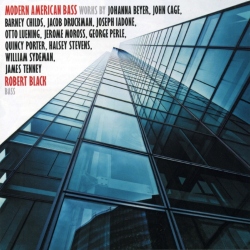
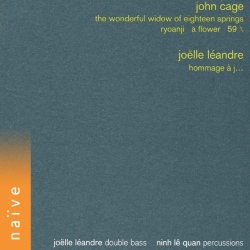
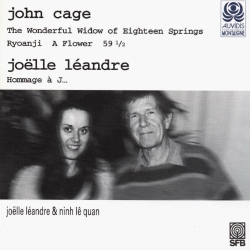
Featured Music