Charles Ives
Psalm 90, for chorus, bells & organ, S. 152
Released Album
Recent Album
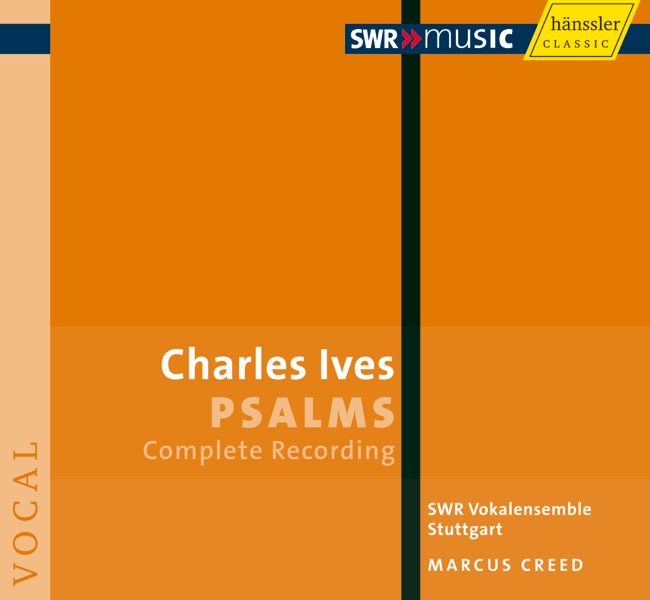
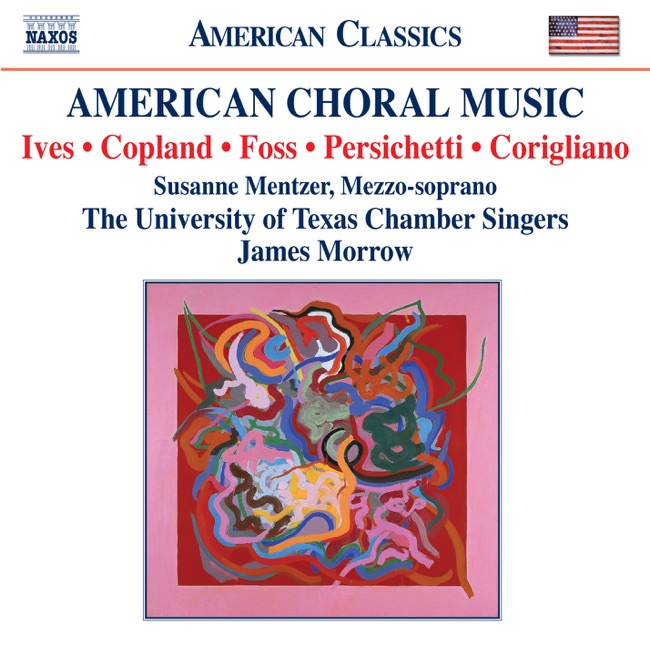
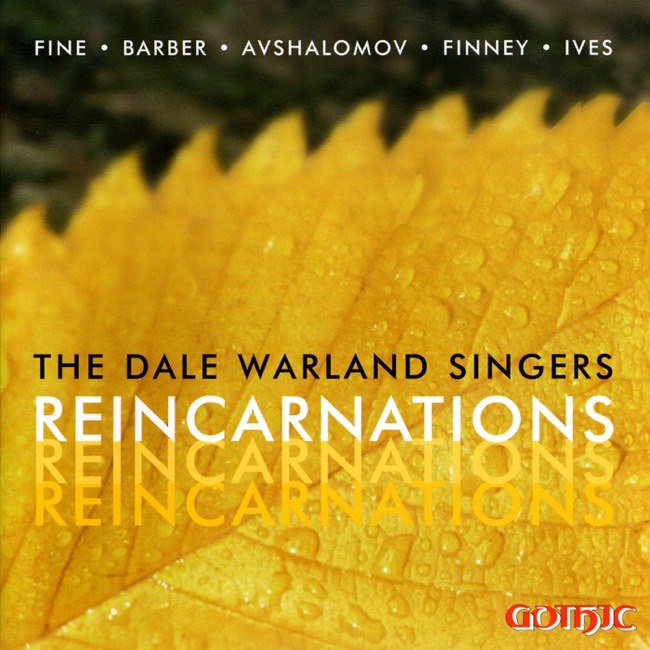
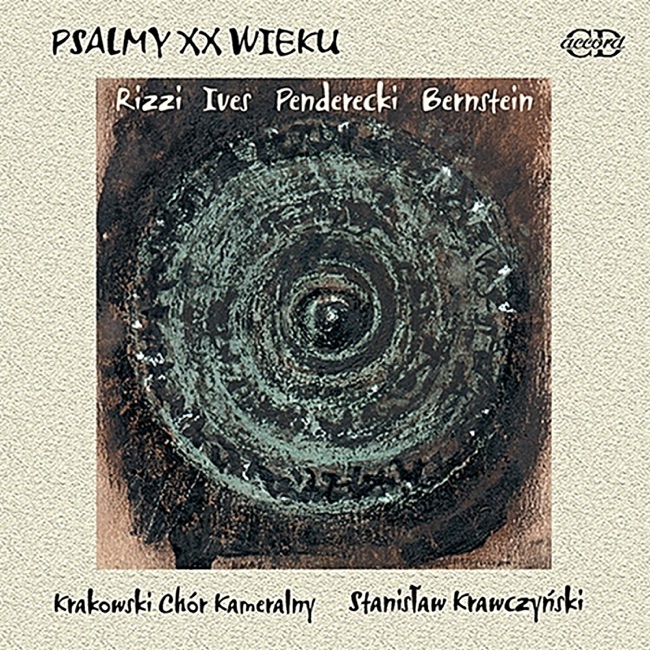
Featured Album
Works Info
Composer:Charles IvesGenre:ChoralStyle:PsalmCompose Date:1894Publication Date:1970First Performance:Apr 18, 1966Average_duration:11:01Charles Ives' "Psalm 90" is a choral work that was composed in 1923. It premiered on May 19, 1924, at the Park Avenue Baptist Church in New York City. The piece is divided into three movements, each with its own unique characteristics. The first movement, "Lord, Thou hast been our dwelling place," is a slow and contemplative piece that features the choir singing in unison. The organ provides a steady accompaniment, while the bells add a sense of ethereal beauty to the piece. The movement is characterized by its use of dissonance and unconventional harmonies, which are hallmarks of Ives' style. The second movement, "So teach us to number our days," is a lively and energetic piece that features the choir singing in harmony. The organ and bells provide a rhythmic accompaniment, which gives the movement a sense of urgency and momentum. The movement is characterized by its use of syncopation and irregular rhythms, which are also hallmarks of Ives' style. The third movement, "Return, O Lord, how long?" is a somber and introspective piece that features the choir singing in harmony. The organ and bells provide a mournful accompaniment, which gives the movement a sense of sadness and longing. The movement is characterized by its use of chromaticism and unconventional harmonies, which are once again hallmarks of Ives' style. Overall, "Psalm 90" is a powerful and moving work that showcases Ives' unique style and approach to composition. The piece is characterized by its use of dissonance, unconventional harmonies, syncopation, irregular rhythms, and chromaticism, which all contribute to its emotional impact. The combination of choir, bells, and organ creates a rich and complex sound that is both beautiful and haunting.More....
Works Music
Released Music
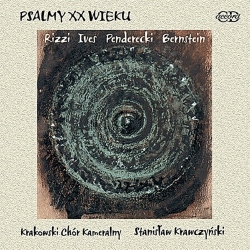
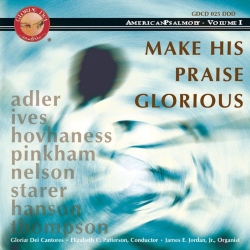
Featured Music