


Giovanni Gabrieli
Sacrae Symphoniae: No. 10: Canzon duodecimi toni for 10 parts
Released Album
Recent Album

Featured Album
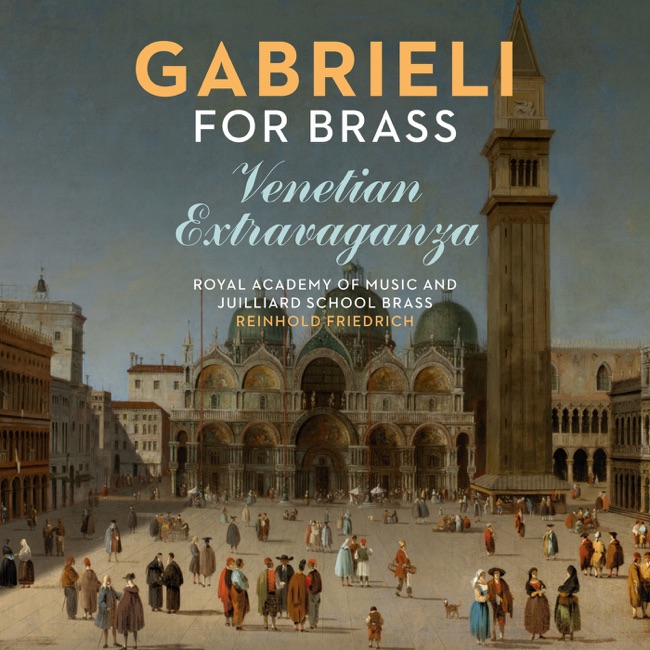
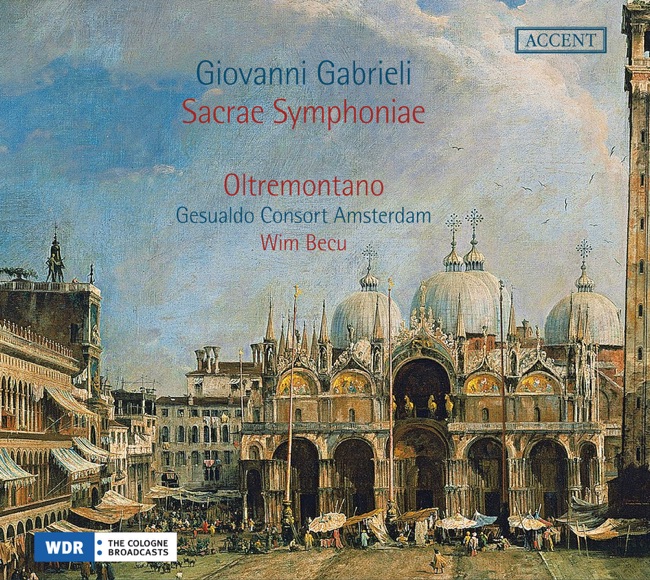
Works Info
Composer:Giovanni GabrieliGenre:ChamberStyle:SinfoniaPublication Date:1597Average_duration:5:17Giovanni Gabrieli's "Sacrae Symphoniae: No. 10: Canzon duodecimi toni for 10 parts" is a masterpiece of the late Renaissance period. It was composed in the late 16th century and premiered in Venice, Italy. The piece is divided into three movements, each with its own unique characteristics. The first movement is marked by its grandeur and majesty. It begins with a fanfare-like introduction, featuring the brass and woodwind instruments. The music then builds in intensity, with each section of the orchestra adding its own voice to the mix. The result is a powerful and awe-inspiring sound that fills the room. The second movement is more subdued, with a focus on the strings and the lower brass instruments. The music is more contemplative and introspective, with a sense of longing and melancholy. The harmonies are rich and complex, with each part weaving in and out of the others to create a tapestry of sound. The final movement is a return to the grandeur of the first. It begins with a lively and energetic theme, featuring the brass and woodwind instruments once again. The music then builds to a climax, with all the instruments coming together in a triumphant finale. Throughout the piece, Gabrieli makes use of antiphonal effects, with different sections of the orchestra playing off each other from opposite sides of the room. This creates a sense of space and depth in the music, as if the listener is surrounded by the sound. Overall, "Sacrae Symphoniae: No. 10: Canzon duodecimi toni for 10 parts" is a stunning example of Gabrieli's mastery of the late Renaissance style. Its grandeur, complexity, and sense of space make it a timeless masterpiece that continues to inspire and awe audiences to this day.More....
Works Music
Released Music
3

4:45
4
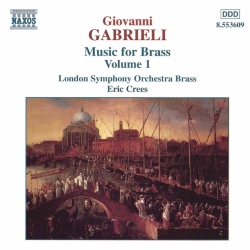
3:12
5
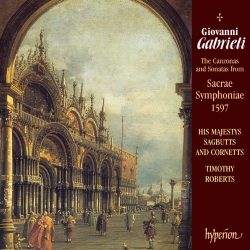
2:58
Featured Music
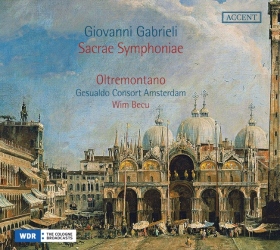
2
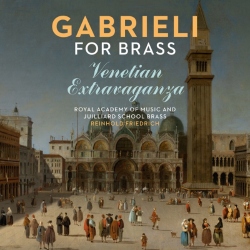
Sacrae Symphoniae: No. 10: Canzon twelfth tones for 10 parts
Canzon duodecimi toni a 10 (II) (from Sacrae symphoniae, 1597)
5:3