Louis Couperin
Sarabande in G minor (Pièces de clavecin, No. 95)
Released Album
Recent Album
Featured Album
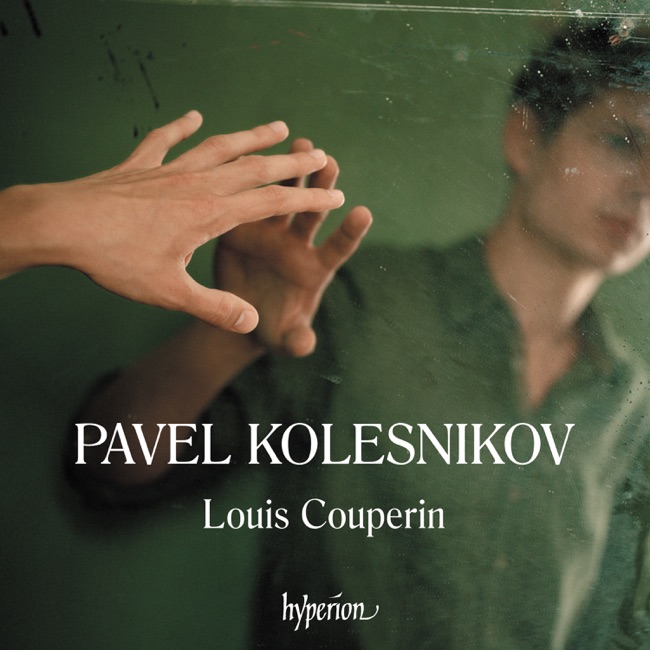
Works Info
Composer:Louis CouperinGenre:KeyboardStyle:KeyboardLouis Couperin was a French Baroque composer and harpsichordist who lived from 1626 to 1661. He was a member of a famous musical family that included his cousin, the more well-known François Couperin. Louis Couperin's music was highly regarded during his lifetime, but much of it was lost over the years. However, some of his works have survived, including his Sarabande in G minor, which is part of his Pièces de clavecin. The Pièces de clavecin is a collection of harpsichord pieces that Louis Couperin composed in the mid-17th century. The collection consists of 220 pieces, including preludes, allemandes, courantes, sarabandes, and other dance forms. The Sarabande in G minor is the 95th piece in the collection. The Sarabande is a slow, stately dance that originated in Spain and became popular in France in the 17th century. Louis Couperin's Sarabande in G minor is a beautiful example of the form. It is a simple, yet elegant piece that showcases the composer's skill at creating beautiful melodies and harmonies. The Sarabande in G minor is in a simple triple meter, with a tempo marking of "Lentement" (slowly). The piece is in the key of G minor, which gives it a melancholy and introspective feel. The piece is also written in a binary form, with two distinct sections that are repeated. The first section of the Sarabande in G minor is characterized by a descending melody that is repeated several times. The melody is accompanied by simple, yet effective harmonies that create a sense of tension and release. The second section of the piece is more ornate and features a more complex melody. The two sections are connected by a short transitional passage that leads back to the beginning of the piece. Overall, Louis Couperin's Sarabande in G minor is a beautiful example of Baroque music. It showcases the composer's skill at creating beautiful melodies and harmonies, and it is a testament to the enduring popularity of the sarabande dance form. The piece premiered in the mid-17th century, and it continues to be performed and enjoyed by musicians and audiences today.More....
Works Music
Released Music
1
1:55
2
2:19
3
2:18
Featured Music