François Devienne
Flute Concerto No. 1 in D major
Released Album
Recent Album
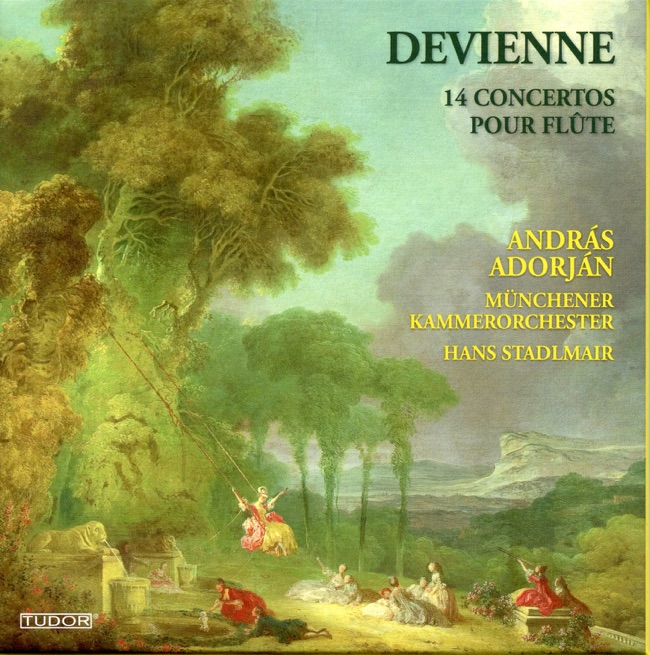
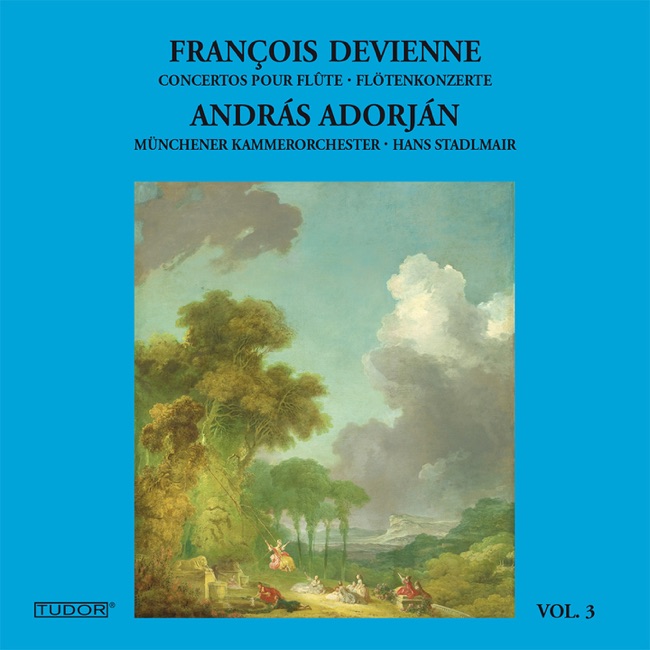
Featured Album
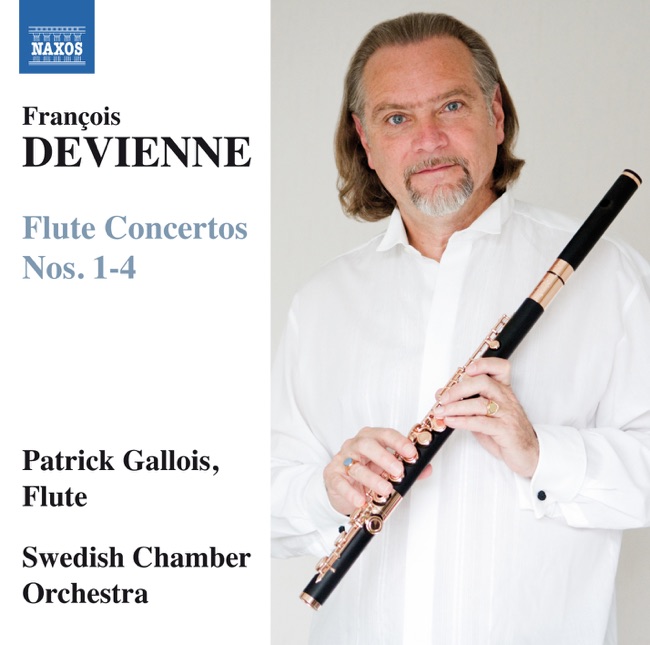
Works Info
Composer:François DevienneGenre:ConcertoStyle:ConcertoAverage_duration:17:37François Devienne's Flute Concerto No. 1 in D major is a significant work in the flute repertoire. It was composed in the late 18th century, around 1792, during the Classical period. The concerto was premiered in Paris, France, and was performed by the composer himself, who was a renowned flutist of his time. The concerto consists of three movements: Allegro, Adagio, and Rondo. The first movement, Allegro, is in sonata form and is characterized by its lively and energetic melody. The solo flute is accompanied by the orchestra, which provides a rich and vibrant background. The second movement, Adagio, is a slow and expressive piece that showcases the flute's lyrical capabilities. The solo flute is accompanied by the strings, which provide a delicate and gentle accompaniment. The final movement, Rondo, is a lively and playful piece that features a recurring theme that is passed between the solo flute and the orchestra. The concerto is known for its technical demands on the soloist, particularly in the first movement. The solo flute is required to play fast and intricate passages, including rapid runs and arpeggios. The second movement requires the soloist to play with a great deal of expression and control, while the third movement demands a virtuosic performance. Overall, Devienne's Flute Concerto No. 1 in D major is a significant work in the flute repertoire that showcases the instrument's technical and expressive capabilities. Its premiere in Paris and subsequent popularity helped to establish the flute as a solo instrument in the Classical period.More....
Works Music
Released Music

Featured Music
2
2:54