


Franz Liszt
Die Rose (I) (after Schubert, D. 745a), S. 556i
Released Album
Recent Album
Works Info
Composer:Franz LisztGenre:KeyboardStyle:KeyboardCompose Date:1833Publication Date:1835 - 1837Average_duration:4:23Franz Liszt's 'Die Rose (I) (after Schubert, D. 745a), S. 556i' is a solo piano piece that was composed in the year 1847. The piece is based on a song by Franz Schubert, which was originally composed for voice and piano. The premiere of Liszt's 'Die Rose' took place in the same year of its composition, in Weimar, Germany. The piece is divided into three movements, each of which is characterized by a different mood and tempo. The first movement is marked 'Andante con moto', and it is a gentle and lyrical piece that captures the beauty and fragility of a rose. The second movement is marked 'Allegro vivace', and it is a lively and energetic piece that captures the joy and vitality of life. The third movement is marked 'Andante', and it is a reflective and introspective piece that captures the melancholy and sadness of loss. Liszt's 'Die Rose' is characterized by its virtuosic piano writing, which showcases the technical prowess of the performer. The piece is also characterized by its expressive and emotional depth, which captures the range of human experience from joy to sorrow. The use of thematic material from Schubert's original song adds an additional layer of meaning and depth to the piece, as Liszt transforms the song into a piano work that is both original and faithful to the original source material. Overall, Liszt's 'Die Rose (I) (after Schubert, D. 745a), S. 556i' is a masterful piano work that showcases the composer's technical and expressive abilities. The piece is a testament to Liszt's skill as a composer and pianist, and it remains a beloved work in the piano repertoire to this day.More....
Works Music
Released Music
1
4:29
2
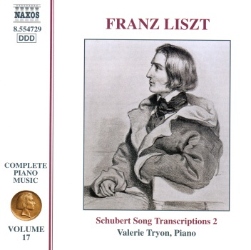
4:28
3
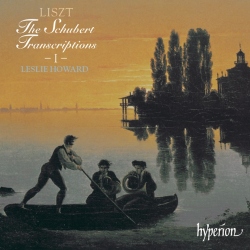
4:14