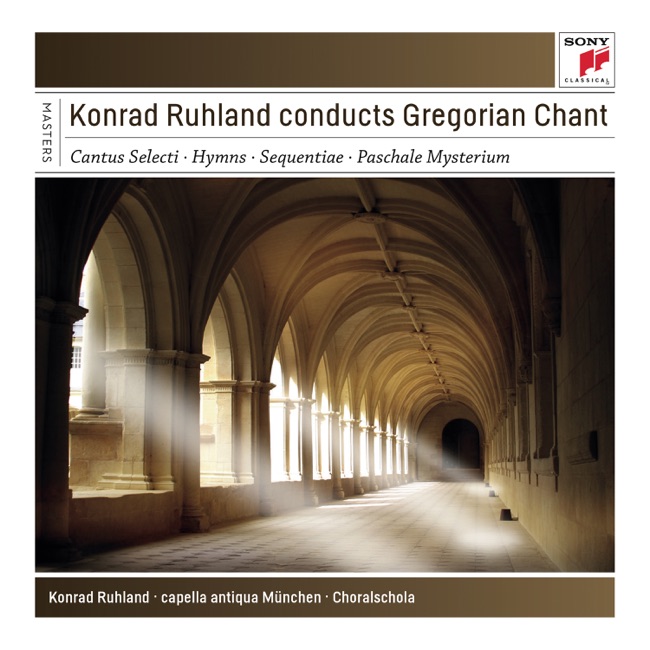
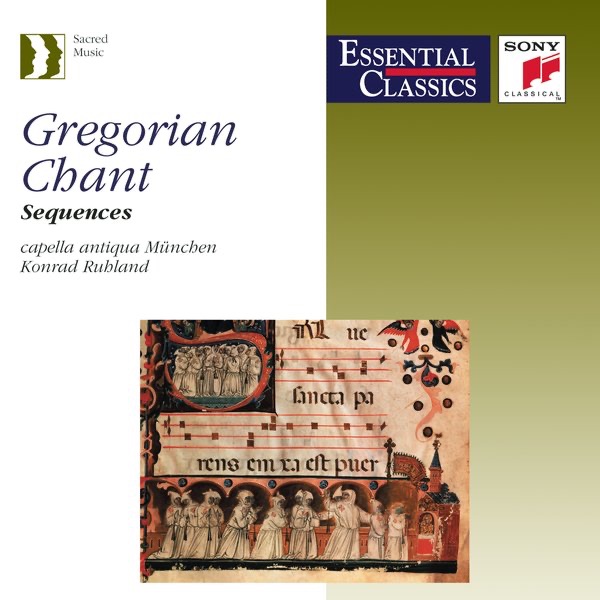
Gregorian Chant
Lauda, offertory in mode 4
Released Album
Recent Album
Works Info
Composer:Gregorian ChantGenre:ChoralStyle:ChantAverage_duration:4:00Lauda, offertory in mode 4 is a Gregorian chant that was composed in the medieval period. The exact date of its composition is unknown, but it is believed to have been written in the 9th or 10th century. The chant was originally used as an offertory during the Catholic Mass, and it is still performed in churches today. The chant is divided into several movements, each with its own unique characteristics. The first movement is a simple melody sung by a soloist or choir. The melody is characterized by its smooth, flowing lines and its use of the Dorian mode, which gives it a haunting, melancholy quality. The second movement is a more complex section that features a call-and-response between the soloist and the choir. This section is characterized by its use of melismatic singing, in which multiple notes are sung on a single syllable. This creates a rich, layered sound that is both beautiful and complex. The third movement is a return to the simple melody of the first movement, but with a few variations. The melody is repeated several times, each time with a slightly different arrangement of notes. This creates a sense of variation and development, while still maintaining the overall structure of the chant. Overall, Lauda, offertory in mode 4 is a beautiful and haunting piece of music that has stood the test of time. Its use of the Dorian mode and melismatic singing give it a unique character that is both ancient and timeless. Whether performed in a church or listened to at home, this chant is sure to inspire and uplift all who hear it.More....
Works Music