


Johann Melchior Molter
Sonata Grossa for 3 trumpets, 2 oboes, timpani, strings & continuo
Released Album
Recent Album
Works Info
Composer:Johann Melchior MolterGenre:ChamberStyle:Chamber MusicAverage_duration:15:48Movement_count:5Movement ....Johann Melchior Molter's Sonata Grossa for 3 trumpets, 2 oboes, timpani, strings & continuo is a Baroque composition that was composed in the mid-18th century. The exact date of its composition is not known, but it is believed to have been written around 1740. The piece was premiered in the court of Duke Wilhelm of Eisenach, where Molter was employed as a court musician. The Sonata Grossa is divided into four movements, each with its own distinct character and style. The first movement is a lively and energetic Allegro, featuring the three trumpets and two oboes in a call-and-response style. The second movement is a slow and expressive Adagio, featuring the strings and continuo in a mournful melody. The third movement is a fast and playful Allegro, featuring the timpani and strings in a lively dance-like rhythm. The final movement is a majestic and triumphant Allegro, featuring all the instruments in a grand finale. One of the most notable characteristics of the Sonata Grossa is its use of multiple solo instruments. The three trumpets and two oboes are featured prominently throughout the piece, often playing in unison or in harmony with each other. The timpani is also given a prominent role, adding a percussive element to the composition. The strings and continuo provide a solid foundation for the solo instruments, often playing a supportive role in the background. Another characteristic of the Sonata Grossa is its use of contrasting dynamics and tempos. The piece moves seamlessly between fast and slow, loud and soft, creating a dynamic and engaging listening experience. Molter also employs a variety of musical techniques, such as trills, arpeggios, and ornamentation, to add interest and complexity to the composition. Overall, the Sonata Grossa for 3 trumpets, 2 oboes, timpani, strings & continuo is a masterful example of Baroque music. Its use of multiple solo instruments, contrasting dynamics and tempos, and intricate musical techniques make it a challenging and rewarding piece for both performers and listeners alike.More....
Works Music
Released Music
2
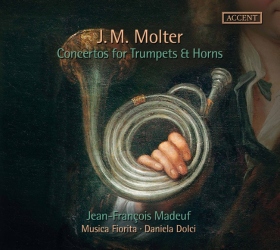
3:5
3
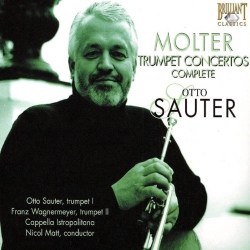
4:31