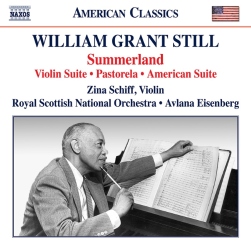
William Grant Still
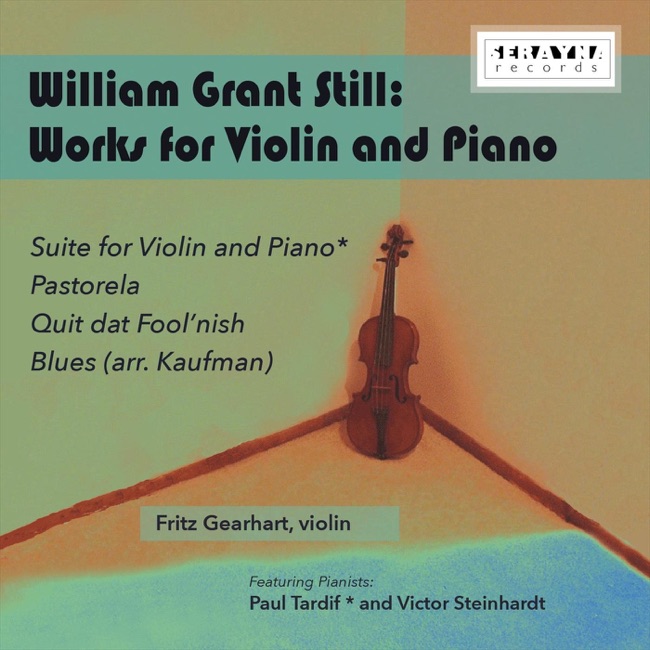
Quit Dat Fool'nish
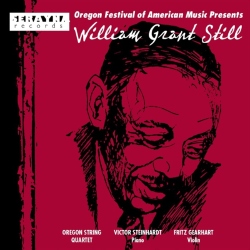
Released Album
Recent Album

Featured Album
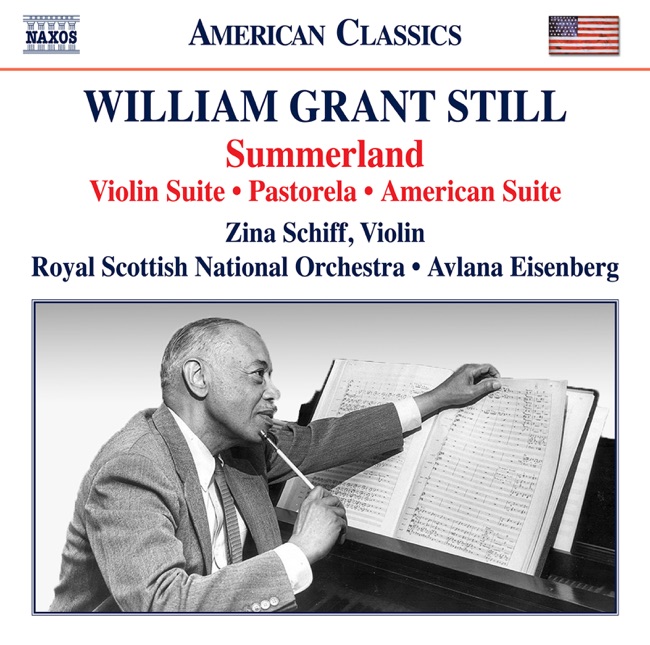
Works Info
Composer:William Grant StillGenre:KeyboardStyle:SonataCompose Date:1935Publication Date:1938First Performance:Jul 11, 1935Average_duration:1:24"Quit Dat Fool'nish" is a composition by William Grant Still, an African American composer who was known for his contributions to classical music. The piece was composed in 1943 and premiered in the same year. It is a work for orchestra and features three movements. The first movement of "Quit Dat Fool'nish" is titled "Juba Dance." It is a lively and rhythmic movement that is inspired by the African American dance tradition of Juba. The movement features syncopated rhythms and a call-and-response structure that is typical of Juba dance. The music is characterized by its energetic and upbeat nature, and it is meant to evoke the joy and vitality of the Juba dance tradition. The second movement of "Quit Dat Fool'nish" is titled "A Mother's Lament." It is a slower and more somber movement that is meant to convey the pain and sorrow of a mother who has lost her child. The music is characterized by its mournful melodies and its use of dissonance to create a sense of tension and unease. The movement is a powerful expression of grief and loss, and it stands in contrast to the more upbeat and celebratory first movement. The third and final movement of "Quit Dat Fool'nish" is titled "Afro-American Symphony." It is a more complex and ambitious movement that draws on a variety of musical traditions, including African American spirituals, blues, and jazz. The movement features a wide range of musical textures and rhythms, and it is characterized by its use of improvisation and syncopation. The music is meant to evoke the rich and diverse cultural heritage of African Americans, and it is a powerful expression of the resilience and creativity of the African American community. Overall, "Quit Dat Fool'nish" is a significant work in the history of classical music. It is a powerful expression of African American culture and identity, and it showcases the unique contributions that African American composers have made to the classical music tradition. The piece remains a popular and influential work to this day, and it continues to inspire and move audiences around the world.More....
Works Music
Released Music
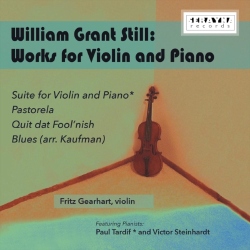
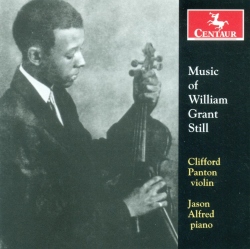
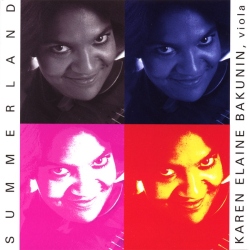
4
1:13
Featured Music