Darius Milhaud
Symphony No. 3, Op. 271 "Te Deum"
Released Album
Recent Album
Works Info
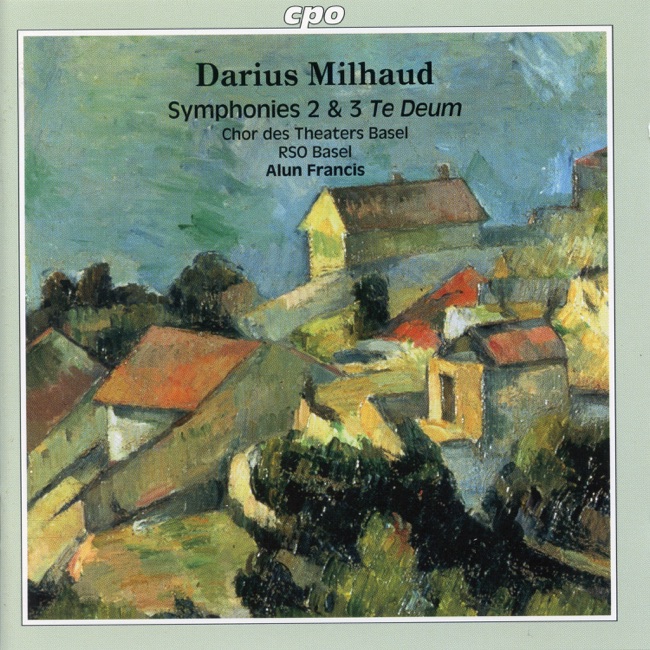
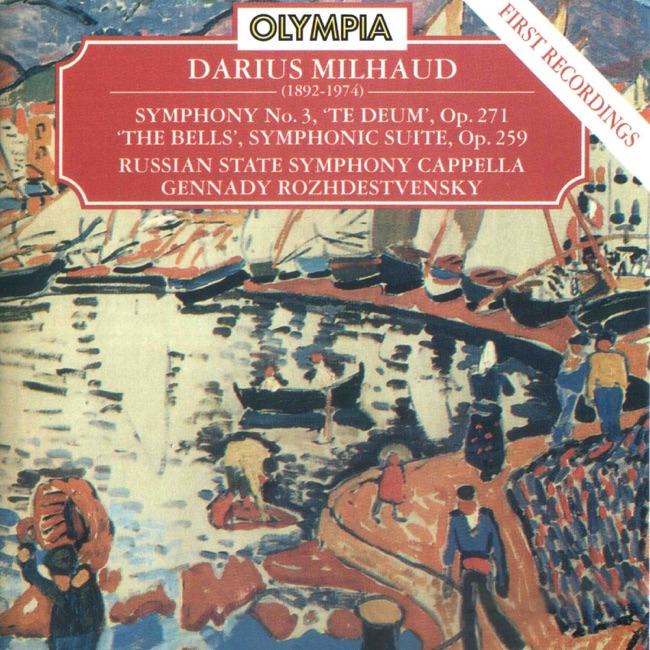
Composer:Darius MilhaudGenre:SymphonyStyle:SymphonyCompose Date:1946Publication Date:1951Average_duration:27:40Movement_count:4Movement ....Symphony No. 3, Op. 271 Te Deum is a composition by French composer Darius Milhaud. It was composed in 1946 and premiered on January 23, 1947, in Paris, France. The symphony is divided into three movements and is approximately 25 minutes in length. The first movement, marked "Allegro," begins with a lively and rhythmic theme played by the strings. The theme is then passed on to the woodwinds and brass, creating a sense of excitement and energy. The movement features a number of contrasting sections, including a slower, more lyrical section and a faster, more frenzied section. The movement ends with a return to the opening theme, played with even greater intensity. The second movement, marked "Andante," is a slower and more contemplative section. It begins with a mournful melody played by the strings, which is then taken up by the woodwinds and brass. The movement features a number of solo passages, including a beautiful oboe solo. The movement ends with a return to the opening melody, played with greater intensity and passion. The final movement, marked "Allegro," is a lively and energetic section that features a number of rhythmic and melodic themes. The movement begins with a fast and frenzied section played by the strings, which is then taken up by the woodwinds and brass. The movement features a number of contrasting sections, including a slower, more lyrical section and a faster, more frenzied section. The movement ends with a return to the opening theme, played with even greater intensity. Overall, Symphony No. 3, Op. 271 Te Deum is a dynamic and exciting composition that showcases Milhaud's skill as a composer. The symphony features a number of contrasting sections, including fast and frenzied sections and slower, more contemplative sections. The use of different instruments and solo passages adds depth and complexity to the composition, creating a rich and engaging listening experience.More....
Works Music
Released Music