William Byrd
Tristitia et anxietas
Released Album
Recent Album
Featured Album
Works Info
Composer:William ByrdGenre:ChoralStyle:MotetAverage_duration:8:55Tristitia et anxietas is a choral work composed by William Byrd, a prominent English composer of the Renaissance period. The piece was composed in the late 16th century, during a time of religious and political turmoil in England. It is believed to have been written for use in the Catholic liturgy, which was banned at the time. The premiere of Tristitia et anxietas is not known, as it was likely performed in secret by Catholic congregations. However, the piece has since become a staple of choral repertoire and is often performed in concert settings. Tristitia et anxietas is a four-movement work, with each movement expressing a different emotion or sentiment. The first movement, "Tristitia," is a mournful and somber piece that reflects the sadness and despair felt by Catholics during the period of persecution. The second movement, "Anxietas," is a more agitated and restless piece that conveys the anxiety and fear felt by those who were forced to practice their faith in secret. The third movement, "Gaudium," is a joyful and celebratory piece that expresses the hope and optimism of the Catholic faith. The final movement, "Pax," is a peaceful and serene piece that reflects the ultimate goal of the Catholic faith: inner peace and spiritual fulfillment. Tristitia et anxietas is characterized by its rich harmonies, intricate counterpoint, and expressive melodies. Byrd was known for his skillful use of chromaticism and dissonance, which he used to convey the complex emotions and sentiments of his music. Overall, Tristitia et anxietas is a powerful and moving work that reflects the struggles and triumphs of the Catholic faith during a tumultuous period in English history. Its enduring popularity is a testament to Byrd's skill as a composer and his ability to capture the essence of human emotion in his music.More....
Works Music
Released Music
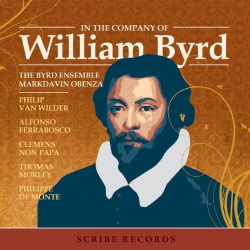

Featured Music