Thomas Morley
See, see, myne owne sweet jewell
Released Album
Recent Album
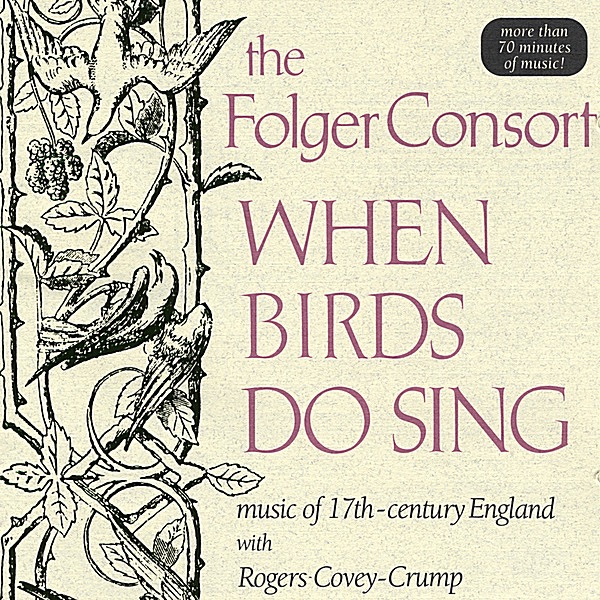
Featured Album

Works Info
Composer:Thomas MorleyGenre:ChoralStyle:Part SongCompose Date:before 1593Publication Date:1593Average_duration:1:29"See, see, myne owne sweet jewell" is a madrigal composed by Thomas Morley, an English composer, organist, and theorist of the Renaissance era. The piece was composed in the late 16th century, around 1595, and was first published in Morley's collection of madrigals, "The Triumphs of Oriana," in 1601. The madrigal is written for five voices, with the text describing a lover's admiration for his beloved's beauty. The piece is in a lively and joyful mood, with a fast tempo and a bright tonality. The melody is characterized by its use of short, repeated phrases, which create a sense of urgency and excitement. The piece is divided into three distinct sections, or movements. The first movement begins with a lively and rhythmic introduction, with the voices entering one by one to create a rich and complex texture. The second movement is slower and more lyrical, with the voices singing in a more homophonic style. The final movement returns to the lively and rhythmic style of the first, with the voices weaving in and out of each other to create a joyful and celebratory mood. One of the most notable characteristics of "See, see, myne owne sweet jewell" is its use of word painting. Throughout the piece, Morley uses musical techniques to illustrate the meaning of the text. For example, in the line "thy lips doo surpasse the scarlet dye," the voices rise and fall in a way that mimics the shape of a pair of lips. Similarly, in the line "thy breath is like the steeme of apple-pyes," the voices create a swirling, aromatic texture that evokes the scent of baking apples. Overall, "See, see, myne owne sweet jewell" is a lively and joyful madrigal that showcases Morley's skill as a composer and his ability to use music to enhance the meaning of the text. Its use of word painting and complex textures make it a beloved piece of Renaissance music that is still performed and enjoyed today.More....
Works Music