


Charles-Valentin Alkan
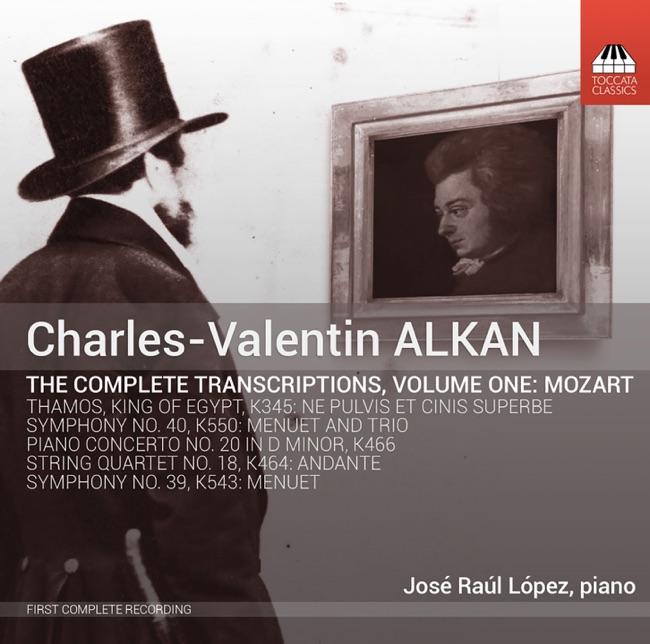
Concerto, transcription for piano in D minor with cadenzas (after Mozart: K. 466)
Released Album
Recent Album

Works Info
Composer:Charles-Valentin AlkanGenre:KeyboardCompose Date:1860Publication Date:1861Charles-Valentin Alkan's Concerto, transcription for piano in D minor with cadenzas (after Mozart: K. 466) was composed in the mid-19th century. The piece is a transcription of Mozart's Piano Concerto No. 20 in D minor, K. 466, which was composed in 1785. Alkan's transcription was premiered in Paris in 1848. The piece is divided into three movements, as is typical of classical concertos. The first movement is marked Allegro, and it begins with a dramatic introduction featuring the orchestra. The piano then enters with a virtuosic solo passage, which sets the tone for the rest of the movement. The movement features a number of themes, which are developed and explored throughout. The second movement is marked Romanze, and it is a slow, lyrical piece. The piano takes center stage in this movement, with the orchestra providing a delicate accompaniment. The final movement is marked Allegro assai, and it is a lively, energetic piece. The piano and orchestra engage in a playful dialogue throughout the movement, with each taking turns leading the way. Alkan's transcription of Mozart's concerto is notable for its technical demands. The piece requires a high level of virtuosity from the pianist, with fast runs, intricate passages, and challenging fingerings. Alkan also added his own cadenzas to the piece, which are highly virtuosic and showcase the pianist's technical abilities. Overall, Alkan's Concerto, transcription for piano in D minor with cadenzas (after Mozart: K. 466) is a challenging and impressive piece of music. It showcases both Alkan's skill as a composer and his admiration for Mozart's work. The piece remains a popular choice for pianists today, and it continues to be performed and recorded regularly.More....
Works Music
Released Music
1

8:18
2
16:31