Herbert Brewer
Evening Canticles in D major
Released Album
Recent Album
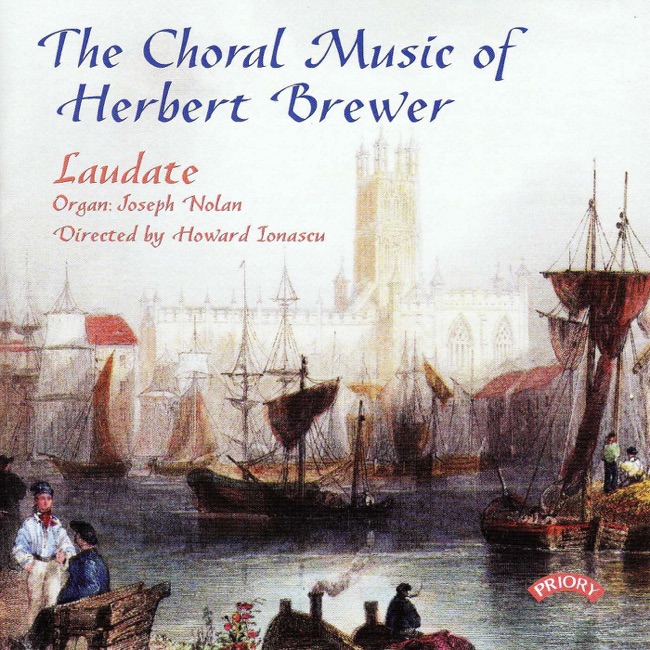
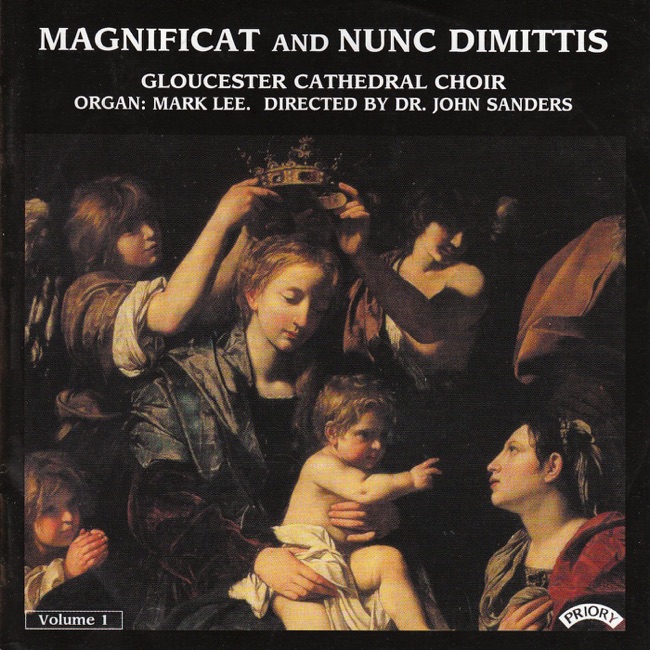
Works Info
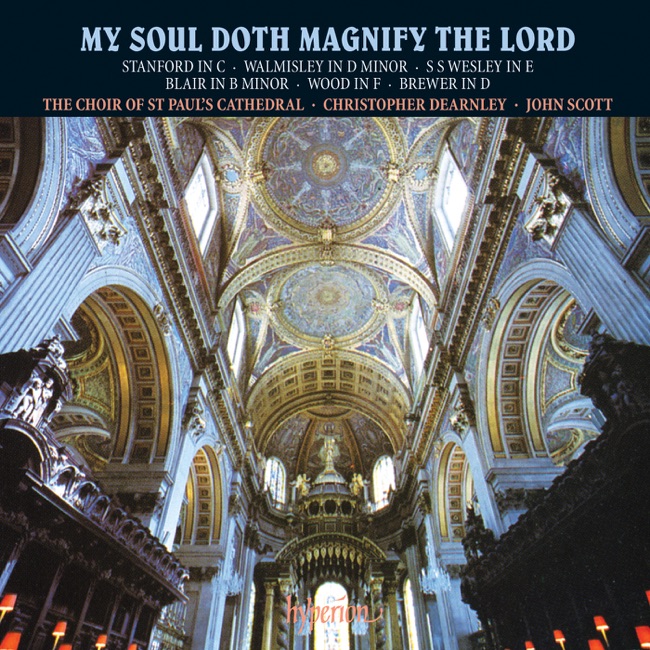
Composer:Herbert BrewerGenre:ChoralStyle:HymnCompose Date:1927Average_duration:7:17Movement_count:2Movement ....Herbert Brewer's 'Evening Canticles in D major' is a choral work that was composed in the early 20th century. The piece was premiered in 1919 at Gloucester Cathedral, where Brewer served as the organist and choirmaster. The work is divided into two movements, the Magnificat and the Nunc Dimittis, which are both sung in D major. The Magnificat is the first movement of the 'Evening Canticles in D major'. It is a setting of the biblical text from the Gospel of Luke, which describes Mary's song of praise after learning that she will give birth to Jesus. The movement begins with a solo soprano voice singing the opening lines of the Magnificat, which are then echoed by the choir. The music is characterized by its soaring melodies and lush harmonies, which create a sense of awe and wonder. The movement builds to a powerful climax, with the choir singing the final lines of the Magnificat in unison. The Nunc Dimittis is the second movement of the 'Evening Canticles in D major'. It is a setting of the biblical text from the Gospel of Luke, which describes Simeon's song of praise after seeing the infant Jesus in the temple. The movement begins with a solo bass voice singing the opening lines of the Nunc Dimittis, which are then echoed by the choir. The music is characterized by its gentle, flowing melodies and rich harmonies, which create a sense of peace and tranquility. The movement ends with a quiet, contemplative section, with the choir singing the final lines of the Nunc Dimittis in a hushed, reverent tone. Overall, Herbert Brewer's 'Evening Canticles in D major' is a beautiful and powerful choral work that showcases the composer's skill in creating soaring melodies and lush harmonies. The piece is a testament to Brewer's talent as a composer and his deep understanding of the choral tradition.More....
Works Music
Released Music