Carlo Ambrogio Lonati
Sonata for violin & continuo No. 3 in D minor
Released Album
Recent Album
Works Info
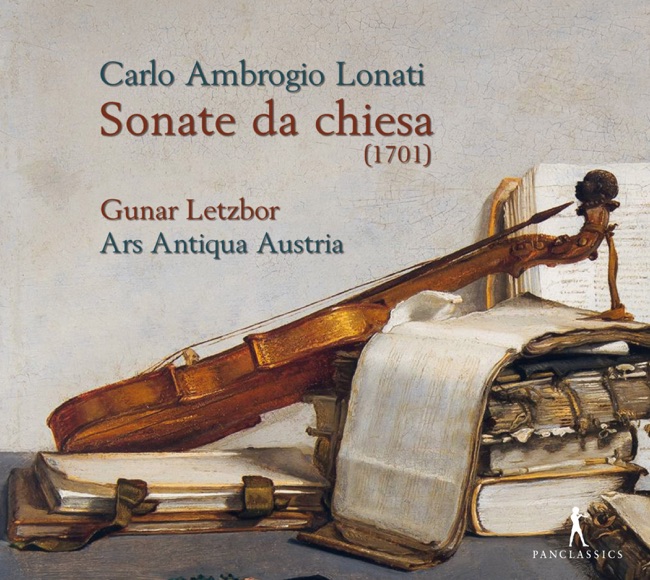
Composer:Carlo Ambrogio LonatiGenre:ChamberStyle:Chamber MusicAverage_duration:10:24Carlo Ambrogio Lonati's Sonata for violin & continuo No. 3 in D minor is a Baroque composition that was likely composed in the late 17th century. The exact date of composition is unknown, but it is believed to have been written sometime between 1680 and 1700. The sonata is written for solo violin and continuo, which typically includes a harpsichord and a bass instrument such as a cello or viola da gamba. The sonata is comprised of four movements: Preludio, Allemanda, Sarabanda, and Giga. The Preludio is a fast and lively movement that showcases the virtuosic abilities of the solo violinist. The Allemanda is a dance-like movement in a moderate tempo, featuring intricate melodic lines and ornamentation. The Sarabanda is a slow and expressive movement, characterized by its use of suspensions and dissonances. The final movement, Giga, is a fast and lively dance that brings the sonata to a thrilling conclusion. One of the defining characteristics of Lonati's Sonata for violin & continuo No. 3 is its use of ornamentation. The solo violinist is expected to add their own embellishments to the written score, which allows for a great deal of individual expression and creativity. Additionally, the sonata features a number of technical challenges for the soloist, including rapid runs, double stops, and complex chord progressions. The sonata is believed to have been premiered in Italy, where Lonati spent much of his career as a violinist and composer. It is likely that the piece was performed in a chamber music setting, with a small group of musicians playing for an intimate audience. Today, Lonati's Sonata for violin & continuo No. 3 remains a popular piece in the Baroque repertoire, and is frequently performed by soloists and ensembles around the world.More....
Works Music
Released Music