Franz Liszt
Ballade: Le chant du croisé No. 1 in D flat major, S. 170
Released Album
Recent Album


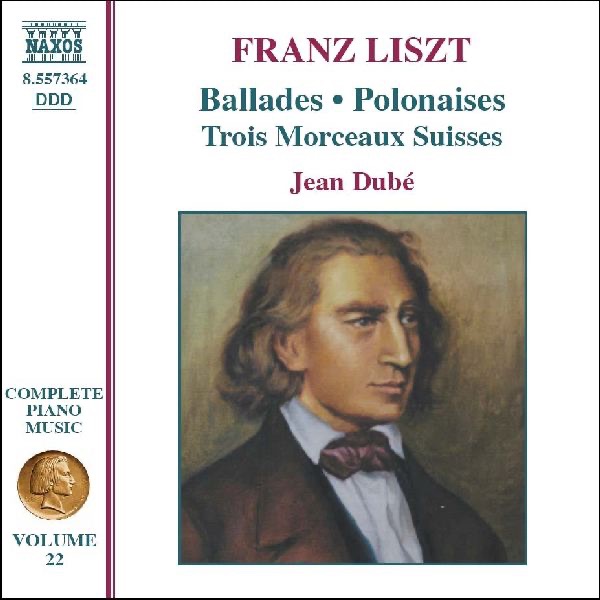

Featured Album
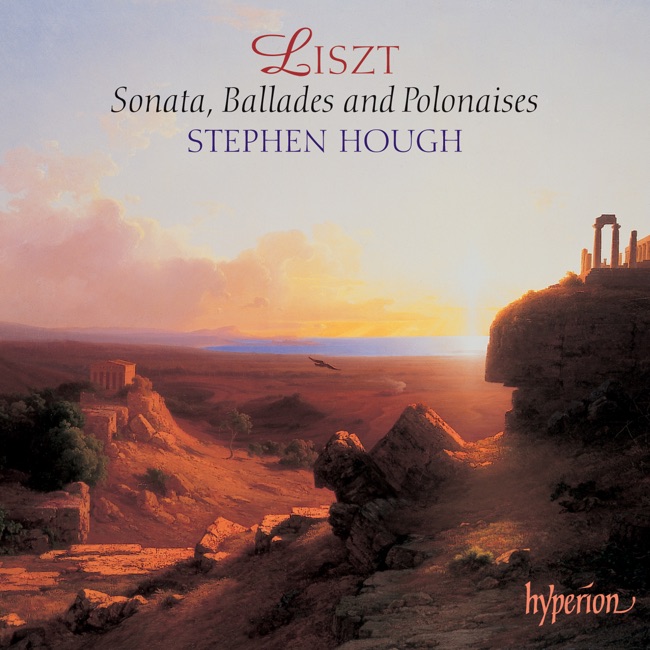
Works Info
Composer:Franz LisztGenre:KeyboardStyle:BalladeCompose Date:1848Publication Date:1849Average_duration:7:40Franz Liszt's Ballade: Le chant du croisé No. 1 in D flat major, S. 170 is a solo piano piece composed in 1879. It premiered in the same year in Budapest, Hungary. The piece is divided into three movements and has a total duration of approximately 15 minutes. The first movement, marked "Andante con moto," begins with a solemn and introspective melody in the left hand, accompanied by a simple arpeggio in the right hand. The melody gradually builds in intensity, with the right hand adding more complex figurations and the left hand providing a rich harmonic foundation. The middle section of the movement features a more agitated and virtuosic passage, with rapid runs and arpeggios in both hands. The movement ends with a return to the opening melody, now played with greater intensity and passion. The second movement, marked "Allegro moderato," is a lively and energetic scherzo. The opening theme is a playful and syncopated melody in the right hand, accompanied by a driving rhythm in the left hand. The middle section of the movement features a more lyrical and expressive melody, played with great sensitivity and nuance. The movement ends with a return to the opening theme, now played with even greater energy and intensity. The final movement, marked "Andante non troppo - Allegro vivace," is a grand and majestic finale. The opening theme is a sweeping and majestic melody in the right hand, accompanied by a rich and full-bodied chord progression in the left hand. The middle section of the movement features a more introspective and contemplative melody, played with great sensitivity and expression. The movement ends with a return to the opening theme, now played with even greater grandeur and power. Overall, Liszt's Ballade: Le chant du croisé No. 1 in D flat major, S. 170 is a masterful example of his virtuosic and expressive piano writing. The piece showcases Liszt's ability to create complex and nuanced melodies, as well as his skill in crafting rich and varied harmonic progressions. The three movements of the piece are united by a common sense of grandeur and majesty, making it a powerful and memorable work in the piano repertoire.More....
Works Music
Released Music

3

Ballade: Le chant du croisé no. 1 in D flat major, p. 170
Ballade No.1 (Le chant du croisé) S170 in D flat
7:38
5
9:19
7
Ballade: Le chant du croisé no. 1 in D flat major, p. 170
Ballade No. 1 in D flat major, S. 170 "Le chant du croisé"
8:11
9
7:38
10

8:3
Featured Music