Charles-Marie Widor
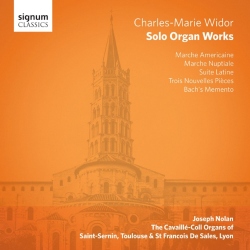
Suite Latine, Op. 86
Released Album
Recent Album

Works Info
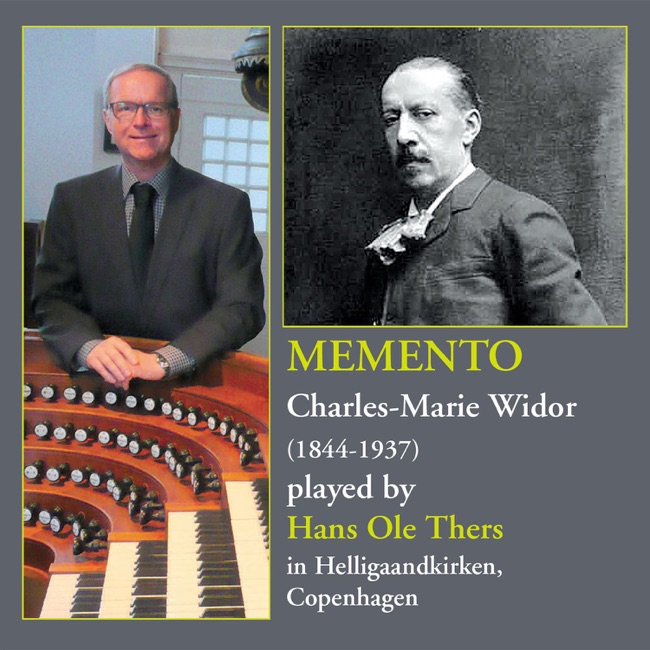
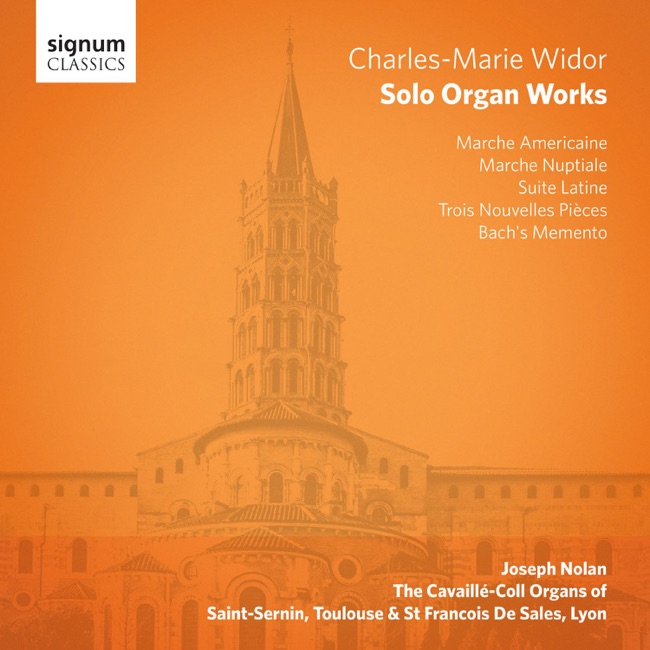
Composer:Charles-Marie WidorGenre:KeyboardStyle:SuiteAverage_duration:34:57Suite Latine, Op. 86 is a composition for organ by French composer Charles-Marie Widor. It was composed in 1901 and premiered on May 5, 1902, at the Trocadéro Palace in Paris. The suite consists of five movements, each inspired by a different Latin dance. The first movement, "Tarentelle," is a lively dance in 6/8 time. It features a fast and intricate melody that is passed between the hands and feet of the organist. The second movement, "Sicilienne," is a slower, more lyrical piece in 12/8 time. It features a flowing melody that is accompanied by gentle arpeggios in the left hand. The third movement, "Pavane," is a stately dance in 4/4 time. It features a regal melody that is played in the upper register of the organ, accompanied by a simple bass line in the pedals. The fourth movement, "Méditation," is a slow and introspective piece in 3/4 time. It features a haunting melody that is played in the middle register of the organ, accompanied by soft chords in the left hand. The final movement, "Salve Regina," is a grand and majestic piece in 6/4 time. It features a powerful melody that is played in the upper register of the organ, accompanied by full chords in the left hand and a pedal line that moves in octaves. The piece builds to a triumphant climax before ending with a quiet coda. Overall, Suite Latine, Op. 86 is a virtuosic and expressive work that showcases the full range of the organ. It is characterized by its intricate melodies, lush harmonies, and rhythmic vitality. The suite is a testament to Widor's mastery of the organ and his ability to create music that is both technically challenging and emotionally compelling.More....
Works Music
Released Music