Gregorian Chant
Cum Jubilo
Released Album
Recent Album
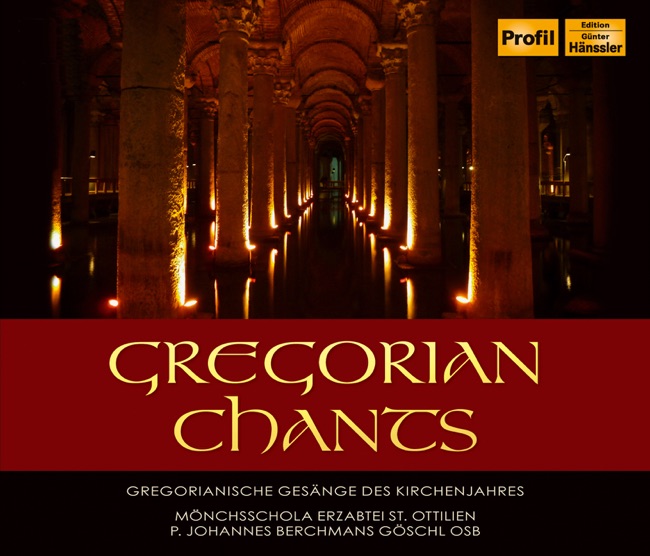
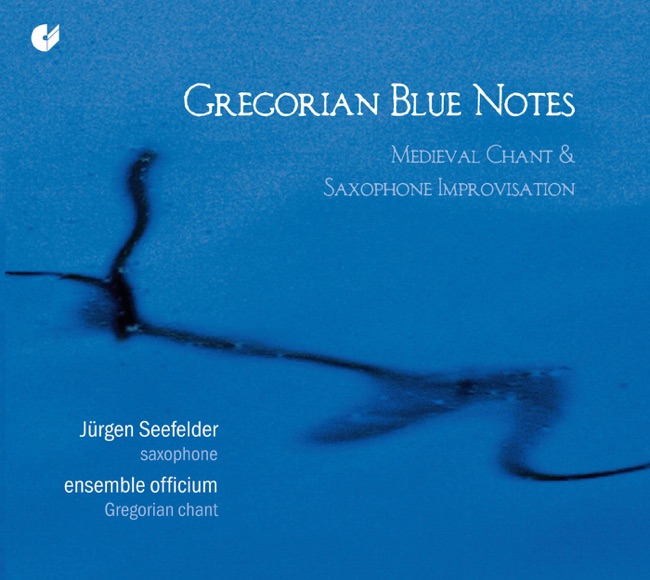
Featured Album
Works Info
Composer:Gregorian ChantGenre:ChoralStyle:ChantAverage_duration:1:44Cum Jubilo is a Gregorian chant that is believed to have been composed in the 13th century. It is a hymn that is typically sung during the Feast of the Nativity of St. John the Baptist, which is celebrated on June 24th. The chant is characterized by its joyful and celebratory tone, which is reflected in its title, which translates to "With Joy." The chant is typically performed in four movements, each of which has its own distinct characteristics. The first movement is characterized by a lively and upbeat melody that is sung in unison by the choir. The second movement is slower and more contemplative, with a more complex melody that is sung in harmony. The third movement is more rhythmic and dance-like, with a melody that is sung in a call-and-response style between the choir and a soloist. The final movement is a return to the joyful and celebratory tone of the first movement, with a melody that is sung in unison by the choir. One of the most notable characteristics of Cum Jubilo is its use of melismatic singing, which is a technique in which multiple notes are sung on a single syllable. This technique is used throughout the chant, particularly in the more complex melodies of the second and third movements. Another characteristic of the chant is its use of Latin lyrics, which are typical of Gregorian chants. Overall, Cum Jubilo is a joyful and celebratory hymn that is a staple of the Gregorian chant repertoire. Its lively melodies and use of melismatic singing make it a challenging and rewarding piece for choirs to perform, and its use during the Feast of the Nativity of St. John the Baptist makes it an important part of the liturgical calendar.More....
Works Music
Released Music
Featured Music