


Heitor Villa-Lobos
Élégie, A. 108, Op. 87
Released Album
Recent Album
Works Info
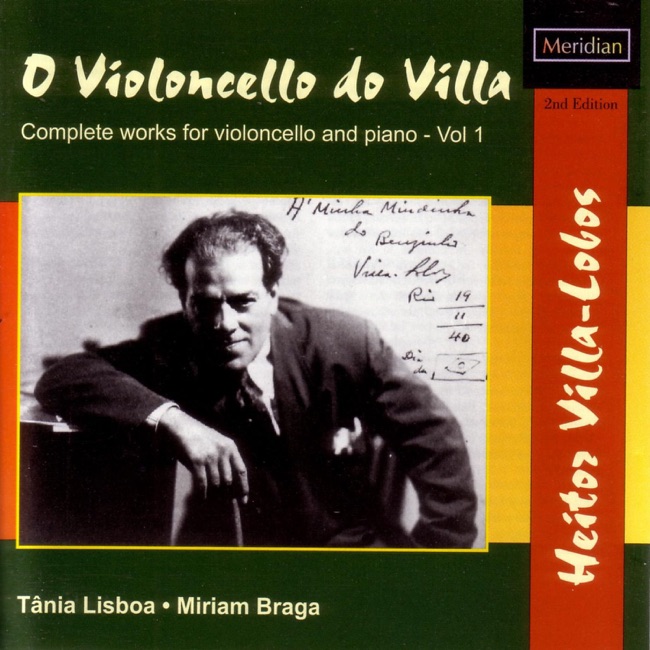
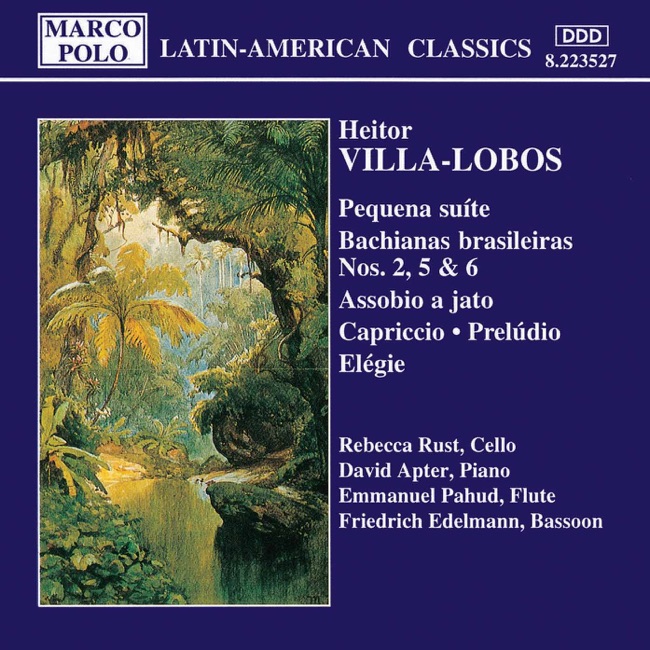
Composer:Heitor Villa-LobosGenre:ChamberStyle:ElegyCompose Date:1916Average_duration:5:42Élégie, A. 108, Op. 87 is a composition for cello and piano by the Brazilian composer Heitor Villa-Lobos. It was composed in 1916 and premiered in Rio de Janeiro in the same year. The piece is divided into two movements, with a total duration of approximately 10 minutes. The first movement, marked Lento, begins with a mournful cello melody accompanied by simple piano chords. The melody is then repeated with variations, showcasing the cello's expressive capabilities. The piano takes over with a more elaborate accompaniment, leading to a climax before returning to the original melody. The movement ends with a soft, melancholic coda. The second movement, marked Allegro appassionato, is more lively and rhythmic than the first. The cello and piano engage in a playful dialogue, with the cello taking on a more virtuosic role. The movement features syncopated rhythms and sudden dynamic changes, creating a sense of urgency and excitement. The piece ends with a dramatic flourish. Élégie is characteristic of Villa-Lobos' early style, which was heavily influenced by European Romanticism. The piece showcases his skill in writing for the cello, with its expressive melodies and virtuosic passages. The use of simple harmonies and folk-like melodies also reflects Villa-Lobos' interest in Brazilian folk music, which would become a major influence on his later works. Overall, Élégie is a beautiful and poignant work that showcases Villa-Lobos' talent as a composer and his love for the cello. Its emotional depth and technical demands make it a popular choice for cellists and audiences alike.More....
Works Music
Released Music

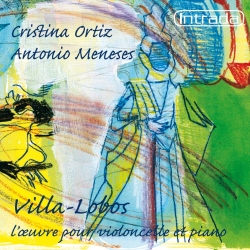
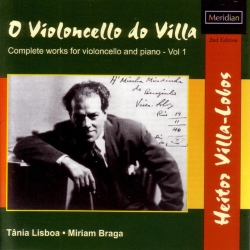
6
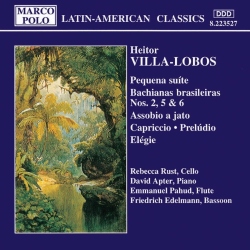
5:46