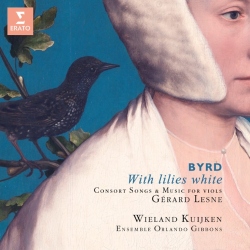
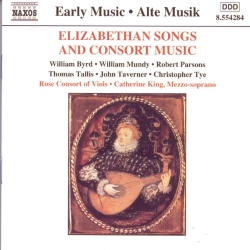
William Byrd
Quis me statim
Released Album
Recent Album
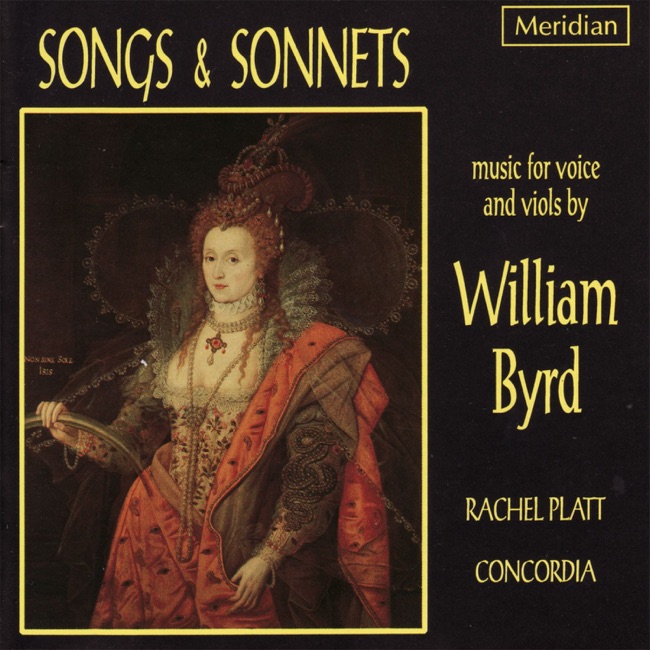
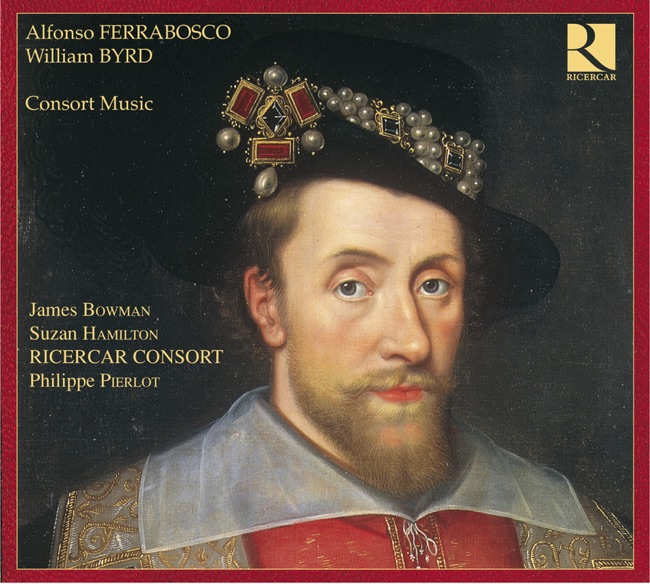
Featured Album
Works Info
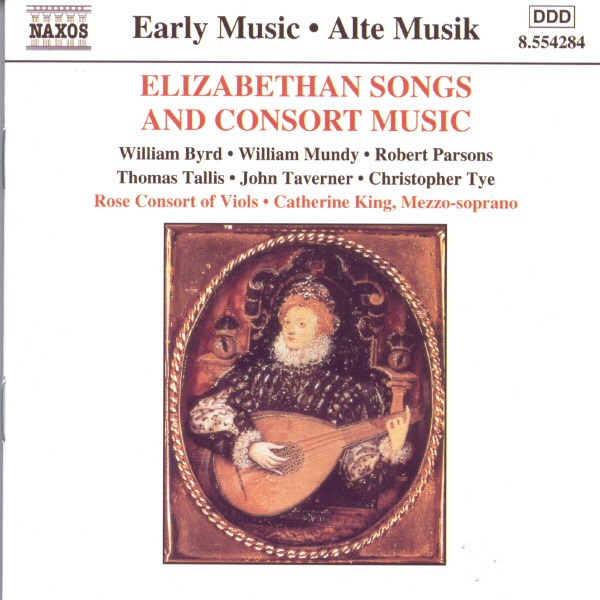
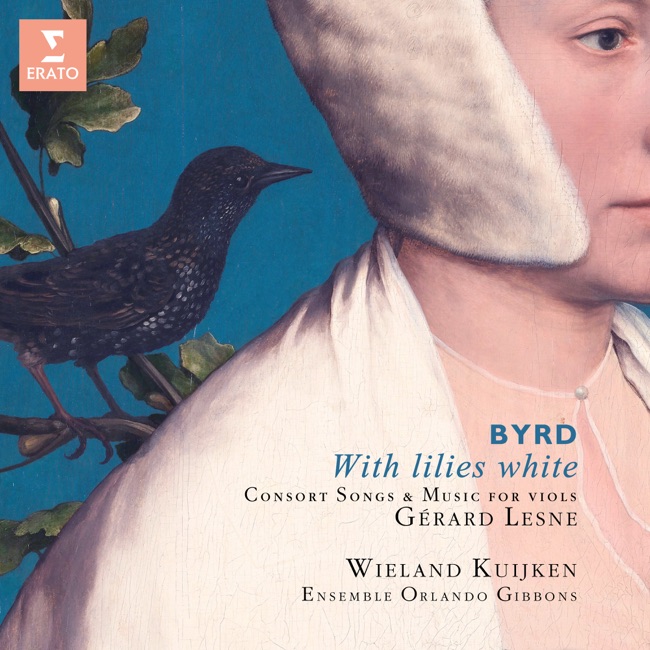
Composer:William ByrdGenre:VocalStyle:Vocal MusicCompose Date:1592Average_duration:2:33"Quis me statim" is a sacred motet composed by William Byrd, an English composer of the Renaissance era. The piece was composed in the late 16th century, during the reign of Queen Elizabeth I. It was first performed in the Chapel Royal, London, in 1591. The motet is written for four voices, with the text taken from the Book of Psalms. The piece is divided into three movements, each with its own distinct character and mood. The first movement is marked "Allegro," and is characterized by its lively and energetic tempo. The voices enter one by one, building up to a full and rich texture. The music is full of rhythmic vitality, with syncopated rhythms and lively melodic lines. The second movement is marked "Adagio," and is much slower and more contemplative in character. The music is more homophonic in texture, with the voices moving together in a more unified way. The harmonies are rich and expressive, with moments of dissonance adding to the emotional intensity of the music. The final movement is marked "Allegro," and returns to the lively and energetic character of the first movement. The music is full of rhythmic drive and vitality, with the voices weaving in and out of each other in a complex and intricate way. The harmonies are bright and colorful, with moments of unexpected modulations adding to the excitement of the music. Overall, "Quis me statim" is a masterful example of Byrd's skill as a composer. The piece is full of rich harmonies, complex rhythms, and expressive melodies, all woven together in a way that is both intricate and deeply moving. It is a testament to the enduring power of sacred music, and a reminder of the beauty and complexity of the Renaissance era.More....
Works Music
Released Music
Featured Music