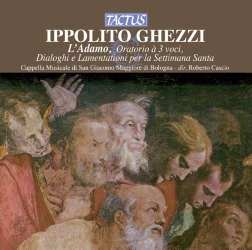
Ippolito Ghezzi
Lamentationi per la Settimana Santa, Op. 4
Released Album
Recent Album

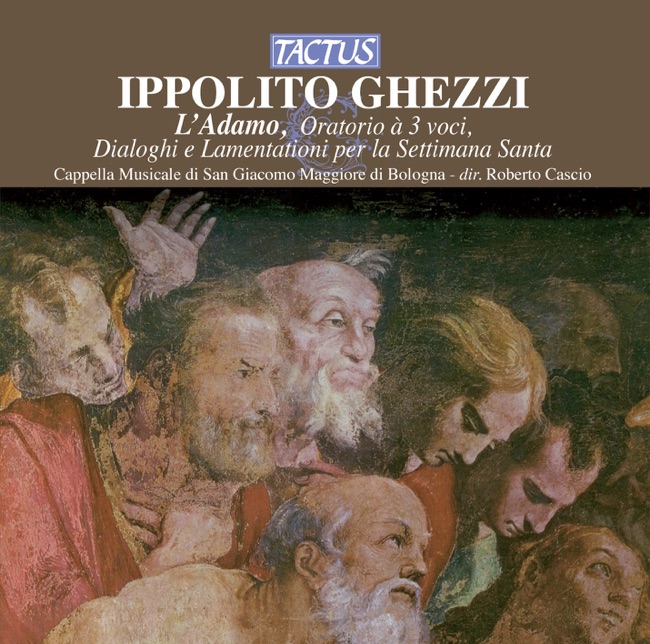
Works Info
Composer:Ippolito GhezziGenre:VocalStyle:Vocal MusicPublication Date:1707Lamentationi per la Settimana Santa, Op. 4 is a collection of sacred vocal music composed by Ippolito Ghezzi. The work was composed in the Baroque era and was first performed in the 17th century. The premiere of the work is not known, but it is believed to have been performed during Holy Week, which is the week leading up to Easter Sunday. The work consists of nine movements, each of which is a setting of a text from the Lamentations of Jeremiah. The Lamentations are a series of poetic laments that mourn the destruction of Jerusalem and the Babylonian exile. The texts are traditionally sung during Holy Week as part of the Tenebrae service, which is a service of darkness that commemorates the suffering and death of Christ. The first movement of Lamentationi per la Settimana Santa is a setting of the text "Incipit Lamentatio Jeremiae Prophetae". This movement is characterized by its mournful melody and its use of dissonance to convey the sorrow and despair of the text. The second movement, "Aleph", is a setting of the text "Quomodo sedet sola civitas". This movement is characterized by its use of chromaticism and its shifting harmonies, which convey the sense of instability and uncertainty in the text. The third movement, "Beth", is a setting of the text "Plorans ploravit in nocte". This movement is characterized by its use of descending melodic lines and its use of dissonance to convey the sense of mourning in the text. The fourth movement, "Ghimel", is a setting of the text "Judah captiva est". This movement is characterized by its use of syncopation and its shifting rhythms, which convey the sense of captivity and oppression in the text. The fifth movement, "Daleth", is a setting of the text "Manum suam misit hostis". This movement is characterized by its use of dissonance and its shifting harmonies, which convey the sense of violence and destruction in the text. The sixth movement, "He", is a setting of the text "Cognovit Dominus". This movement is characterized by its use of polyphony and its shifting textures, which convey the sense of recognition and understanding in the text. The seventh movement, "Vau", is a setting of the text "Et egressus est a filia Sion". This movement is characterized by its use of descending melodic lines and its use of dissonance to convey the sense of mourning and lamentation in the text. The eighth movement, "Zain", is a setting of the text "Recordata est Jerusalem". This movement is characterized by its use of polyphony and its shifting textures, which convey the sense of remembrance and reflection in the text. The final movement, "Heth", is a setting of the text "Peccatum peccavit Jerusalem". This movement is characterized by its use of dissonance and its shifting harmonies, which convey the sense of sin and repentance in the text. Overall, Lamentationi per la Settimana Santa is a powerful and moving work that conveys the sorrow and despair of Holy Week through its use of melody, harmony, and texture.More....
Works Music
Released Music