Miklós Rózsa
Sonata for flute solo, Op. 39
Released Album
Recent Album
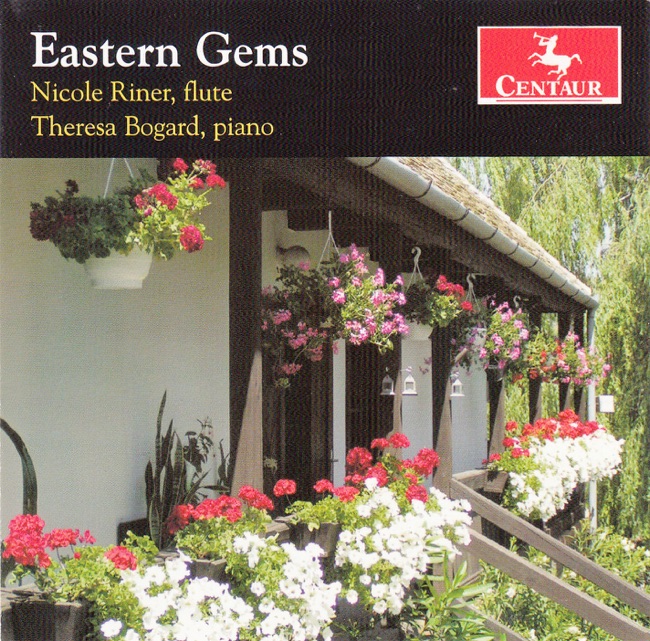

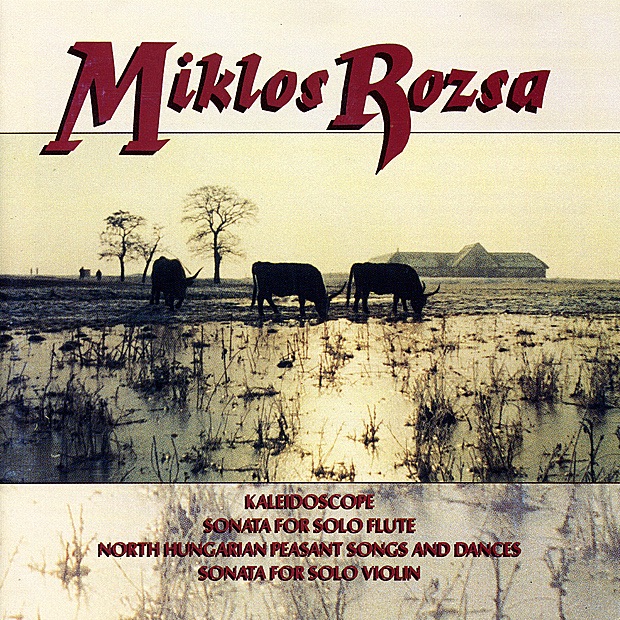
Works Info
Composer:Miklós RózsaGenre:ChamberStyle:SonataCompose Date:1983Average_duration:13:19Movement_count:3Movement ....Miklós Rózsa's Sonata for flute solo, Op. 39, was composed in 1956 and premiered by the renowned flutist Jean-Pierre Rampal in Paris in 1957. The piece is divided into three movements, each with its own distinct character and technical demands. The first movement, marked Allegro moderato, is a lively and energetic piece that showcases the flute's agility and virtuosity. The opening theme is introduced by the flute in a playful and syncopated rhythm, which is then developed and expanded upon throughout the movement. The middle section of the movement features a slower, more lyrical melody, which provides a contrast to the fast-paced opening theme. The movement concludes with a return to the opening material, bringing the piece full circle. The second movement, marked Andante, is a more introspective and contemplative piece. The flute's long, sustained notes create a sense of longing and melancholy, while the occasional bursts of faster passages provide a sense of tension and release. The movement is characterized by its use of chromaticism and dissonance, which add to the overall sense of unease and uncertainty. The final movement, marked Allegro vivace, is a lively and playful piece that brings the sonata to a joyful and exuberant conclusion. The flute's rapid-fire runs and trills are reminiscent of a bird in flight, while the syncopated rhythms and playful melodies create a sense of whimsy and fun. The movement ends with a flourish, leaving the listener with a sense of joy and satisfaction. Overall, Rózsa's Sonata for flute solo, Op. 39, is a challenging and rewarding piece for the flutist. Its technical demands and expressive qualities make it a favorite among flutists and audiences alike.More....