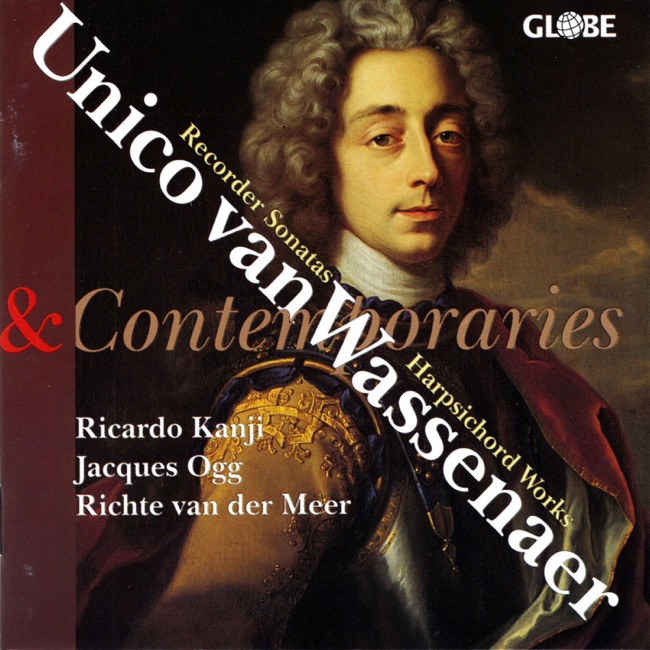
Count Unico-Wilhelm Van Wassenaer
Sonata Seconda for recorder & continuo in G minor
Released Album
Recent Album
Works Info
Composer:Count Unico-Wilhelm Van WassenaerGenre:ChamberStyle:Chamber MusicCompose Date:1714Average_duration:8:34Movement_count:4Movement ....The 'Sonata Seconda for recorder & continuo in G minor' is a Baroque composition by Count Unico-Wilhelm Van Wassenaer. The exact date of composition is unknown, but it is believed to have been written in the early 18th century. The piece consists of four movements: Adagio, Allegro, Largo, and Allegro. The first movement, Adagio, is a slow and expressive introduction that sets the mood for the rest of the piece. The recorder and continuo engage in a dialogue, with the recorder playing a mournful melody and the continuo providing a simple harmonic accompaniment. The second movement, Allegro, is a lively and energetic dance. The recorder takes the lead, playing a virtuosic melody that is full of trills and runs. The continuo provides a driving rhythm that propels the music forward. The third movement, Largo, is a slow and contemplative aria. The recorder plays a simple and beautiful melody that is full of emotion. The continuo provides a gentle and supportive accompaniment that enhances the recorder's melody. The final movement, Allegro, is a fast and lively dance. The recorder and continuo engage in a playful and virtuosic dialogue, with each instrument taking turns playing intricate and complex melodies. The movement ends with a flourish, bringing the piece to a satisfying conclusion. Overall, the 'Sonata Seconda for recorder & continuo in G minor' is a beautiful and expressive example of Baroque music. The piece showcases the virtuosity of the recorder and the skill of the composer in creating intricate and complex melodies. The use of the continuo provides a rich and supportive accompaniment that enhances the recorder's melodies and adds depth to the music.More....
Works Music