


George Antheil
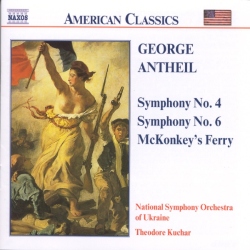
Symphony, for orchestra No. 4 "1942", W. 177
Released Album
Recent Album
Featured Album
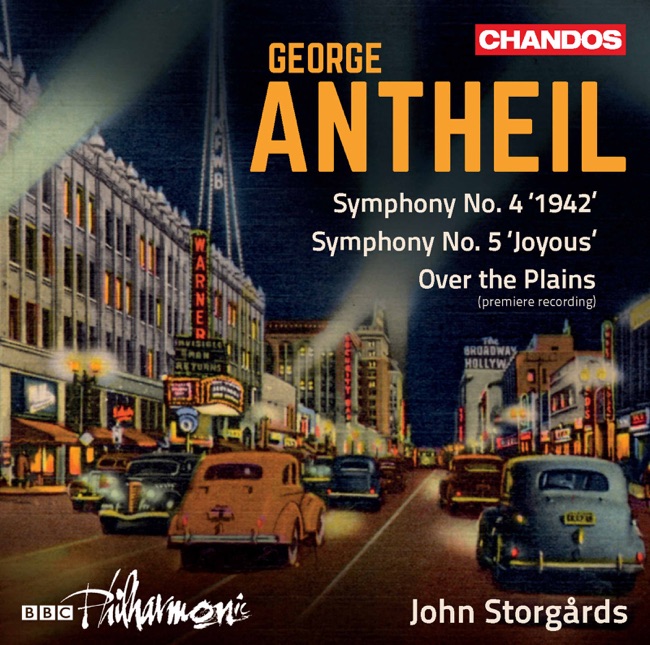
Works Info
Composer:George AntheilGenre:SymphonyStyle:SymphonyCompose Date:1942Publication Date:1947First Performance:Feb 13, 1944Average_duration:32:19Symphony for Orchestra No. 4, W. 177, was composed by George Antheil in 1942. The symphony premiered on March 4, 1944, in New York City, conducted by the composer himself. The symphony consists of three movements, each with its own unique characteristics. The first movement, marked "Allegro," is characterized by its driving rhythms and energetic melodies. The movement opens with a fanfare-like motif in the brass, which is then taken up by the strings. The music builds in intensity, with the various sections of the orchestra trading off melodic material. The movement features a number of contrasting sections, including a lyrical theme in the strings and a more subdued section featuring the woodwinds. The second movement, marked "Andante," is a slow, lyrical piece that features a prominent solo for the English horn. The movement is characterized by its lush harmonies and expressive melodies. The English horn solo is particularly notable for its haunting, melancholy quality. The movement builds to a climax before subsiding into a quiet, introspective coda. The final movement, marked "Allegro con fuoco," is a fast-paced, virtuosic tour-de-force. The movement is characterized by its frenetic energy and complex rhythms. The movement opens with a driving, syncopated theme in the strings, which is then taken up by the brass. The music builds in intensity, with the various sections of the orchestra trading off melodic material. The movement features a number of contrasting sections, including a lyrical theme in the woodwinds and a more subdued section featuring the strings. The movement concludes with a triumphant coda that brings the symphony to a thrilling close. Overall, Symphony for Orchestra No. 4 is a dynamic and engaging work that showcases Antheil's skill as a composer. The symphony is notable for its inventive use of rhythm and melody, as well as its rich harmonies and expressive melodies. It remains a popular work in the orchestral repertoire to this day.More....
Works Music
Released Music
1
9:7
2
8:30
3
10:37
Featured Music
1
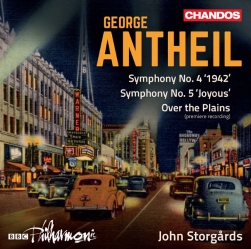
Symphony, for orchestra No. 4 "1942", W. 177
I. Moderato - Poco più mosso - Poco meno - Più mosso - Allegretto - Poco più mosso - Poco meno marcato - Poco più mosso - Poco più mosso - Poco a poco meno mosso - Più mosso - Meno mosso - Più mosso - Più mosso - Poco più mosso - (Poco meno) - Più mPoco più mosso - Poco più mos
10:59
2
Symphony, for orchestra No. 4 "1942", W. 177
II. Allegro - Poco meno mosso - More mysterious, slower than before - Andante - A tempo (Allegro, twice as quickly as before) - Half as fast - Andante - Agitato - Poco meno mosso - più mosso - Poco meno mosso - A tempo (Allegro) - Agitato (Or about half as fast) - A tempo I (Al
9:33
3
Symphony, for orchestra No. 4 "1942", W. 177
III. Scherzo. Allegro molto - Marcato - Poco meno mosso - Marcia lento - A tempo (Presto)
5:24
4
Symphony, for orchestra No. 4 "1942", W. 177
IV. Allegro non troppo - Più mosso - Meno mosso - Più mosso - Meno mosso - A tempo I - Poco meno mosso - Più mosso - Poco meno mosso - A tempo con tutta forza
8: