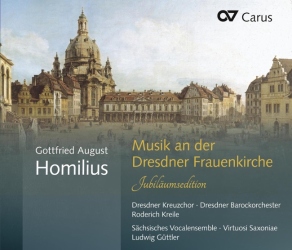
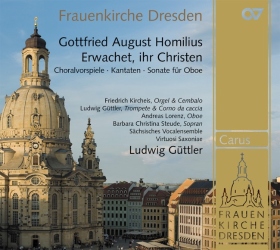
Gottfried August Homilius
Sonate füe Oboe und Basso continuo
Released Album
Recent Album
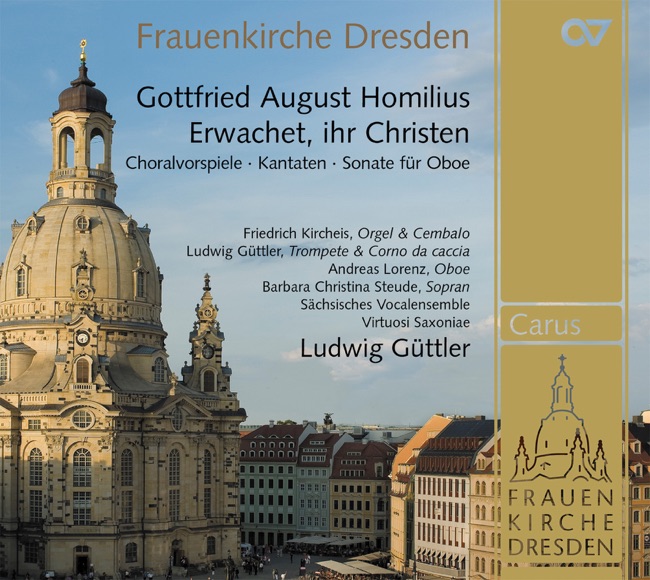
Featured Album
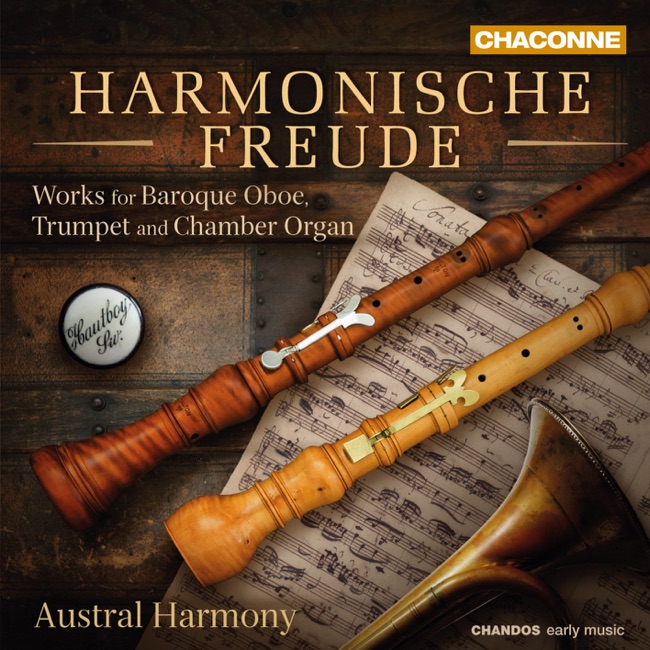
Works Info
Composer:Gottfried August HomiliusGenre:ChamberStyle:Chamber MusicMovement_count:4Movement ....Gottfried August Homilius was a German composer and church musician of the late Baroque era. He was born in Rosenthal, Saxony, on October 2, 1714, and died in Dresden on June 2, 1785. Homilius was a prolific composer, and his works include over 200 cantatas, 12 passions, and numerous instrumental pieces. One of Homilius's most famous instrumental works is his "Sonate für Oboe und Basso continuo." This sonata was composed in the mid-18th century and is a prime example of the Baroque sonata form. It consists of three movements: a fast opening movement, a slow second movement, and a lively final movement. The sonata opens with a lively Allegro in 3/4 time. The oboe and basso continuo engage in a lively dialogue, with the oboe playing a virtuosic melody and the basso continuo providing a steady harmonic foundation. The movement is characterized by its energetic rhythms and playful melodies. The second movement is a slow and expressive Adagio in 4/4 time. The oboe takes center stage in this movement, playing a lyrical melody that is accompanied by the basso continuo. The movement is characterized by its expressive harmonies and poignant melodies. The final movement is a lively Allegro in 3/8 time. The oboe and basso continuo engage in a lively dance, with the oboe playing a virtuosic melody and the basso continuo providing a lively rhythmic accompaniment. The movement is characterized by its lively rhythms and playful melodies. Overall, Homilius's "Sonate für Oboe und Basso continuo" is a prime example of the Baroque sonata form. It is characterized by its lively rhythms, expressive harmonies, and virtuosic melodies. The sonata premiered in the mid-18th century and remains a popular work in the oboe repertoire to this day.More....
Works Music
Released Music
2
1:58
3
1:44
4
1:44
Featured Music