Benjamin Britten
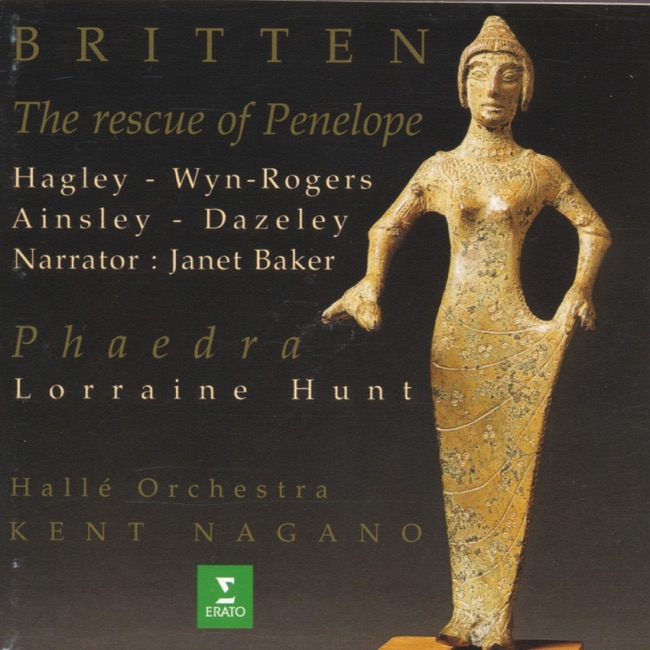
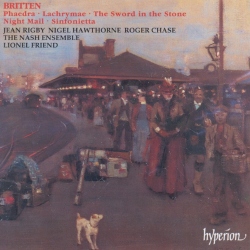
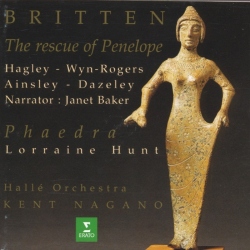
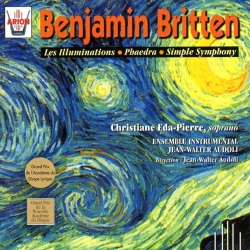
Phaedra, Op. 93
Released Album
Recent Album




Featured Album
Works Info
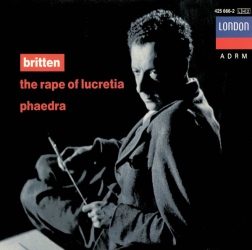
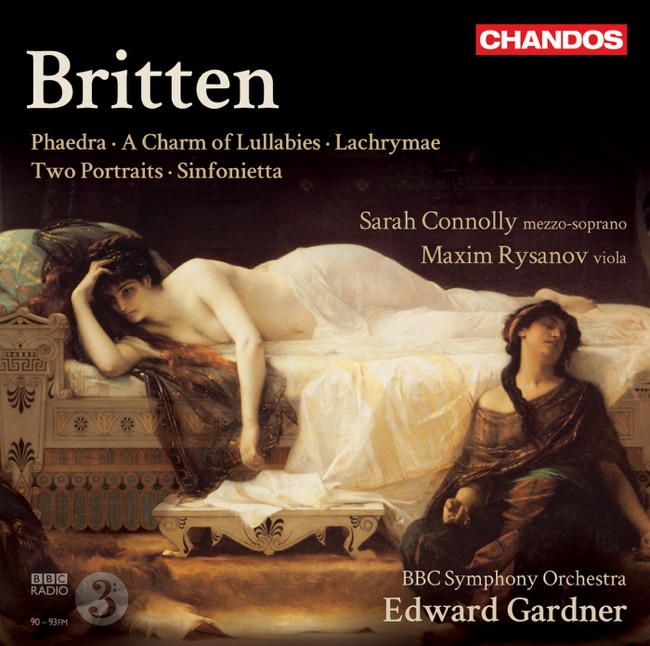
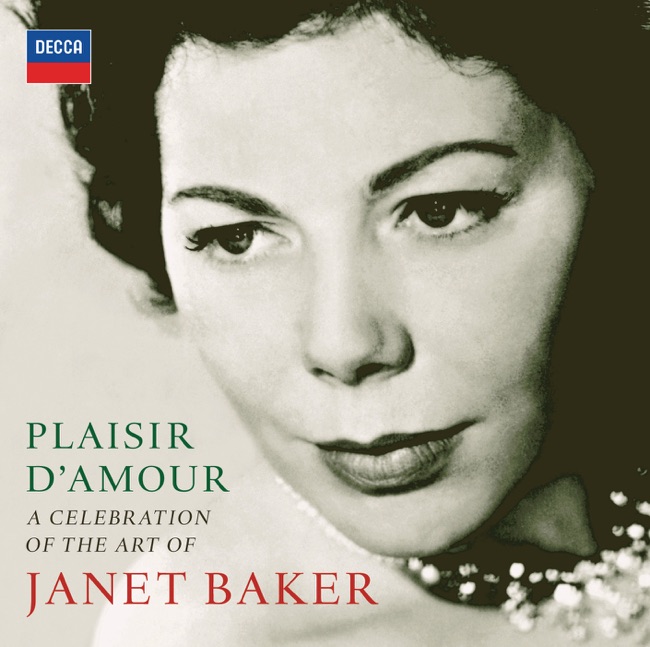
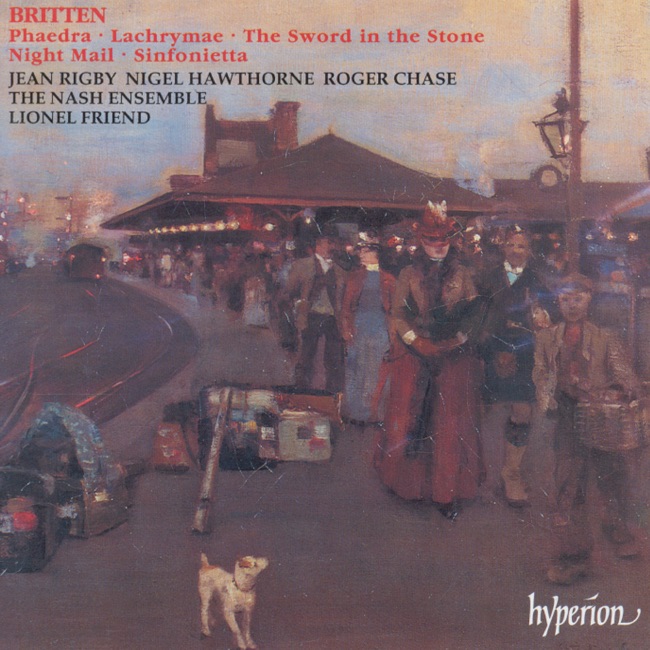
Composer:Benjamin BrittenGenre:VocalStyle:CantataCompose Date:1975Average_duration:15:29Phaedra, Op. 93 is a song cycle composed by Benjamin Britten in 1975. The work is based on the Greek myth of Phaedra, the wife of King Theseus who falls in love with her stepson Hippolytus. The premiere of the work was given on July 10, 1976, at the Aldeburgh Festival, with Janet Baker as the soloist and the English Chamber Orchestra conducted by Steuart Bedford. The work is divided into three movements, each of which is based on a different text. The first movement, "Prologue," sets the stage for the story and introduces the character of Phaedra. The music is dark and brooding, with a sense of foreboding that sets the tone for the rest of the work. The second movement, "Phaedra," is the longest and most complex of the three. It is based on a text by Robert Lowell, which tells the story of Phaedra's love for Hippolytus and her eventual suicide. The music is intense and dramatic, with sudden shifts in mood and tempo that reflect the emotional turmoil of the characters. The final movement, "Epilogue," is based on a text by Ted Hughes, which reflects on the aftermath of the tragedy. The music is quiet and reflective, with a sense of resignation and acceptance. Overall, Phaedra, Op. 93 is a powerful and emotionally charged work that showcases Britten's skill as a composer. The music is complex and challenging, with a wide range of moods and textures that reflect the drama of the story. The work is a testament to Britten's ability to create music that is both intellectually stimulating and emotionally engaging.More....
Works Music
Released Music


3
15:9



Featured Music