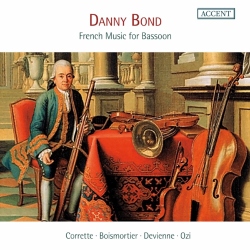
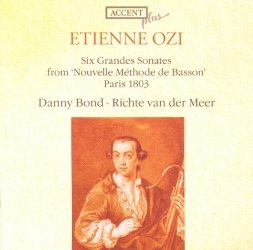
Etienne Ozi
Sonata for bassoon No. 2
Released Album
Recent Album
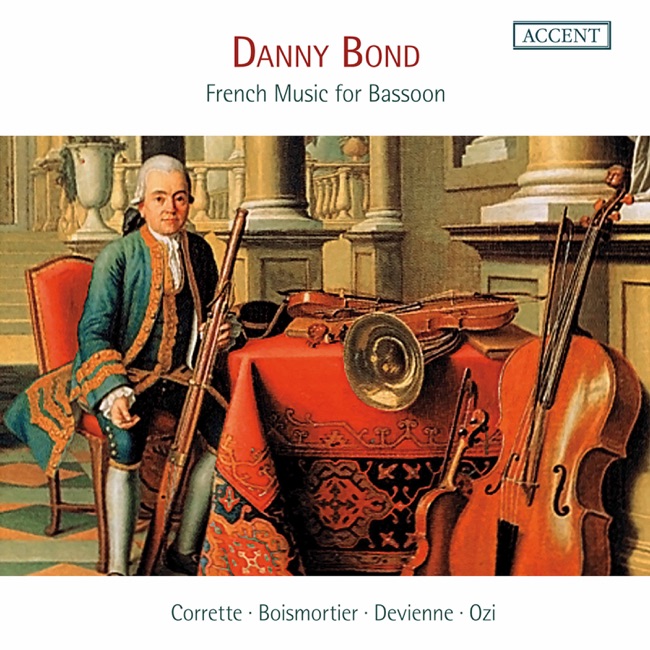
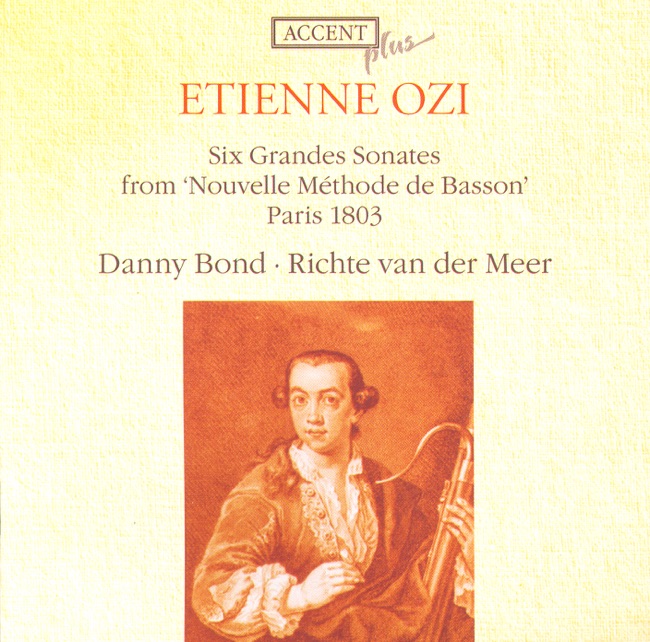
Works Info
Composer:Etienne OziGenre:ChamberStyle:SonataPublication Date:1803Average_duration:11:36Movement_count:3Movement ....Etienne Ozi was a French bassoonist and composer who lived from 1754 to 1813. He was a prominent figure in the development of the bassoon as a solo instrument, and his compositions for the instrument are still studied and performed today. One of his most famous works is the Sonata for bassoon No. 2, which was composed in the late 18th century. The Sonata for bassoon No. 2 is a three-movement work that showcases the technical and expressive capabilities of the bassoon. It was composed for solo bassoon and piano, and was premiered in Paris in the late 1700s. The exact date of the premiere is not known, but it is believed to have been performed sometime between 1785 and 1790. The first movement of the Sonata for bassoon No. 2 is marked Allegro moderato, and is in sonata form. It begins with a lively and energetic theme played by the bassoon, which is then developed and expanded upon throughout the movement. The piano provides a supportive accompaniment, but also has moments of virtuosity and soloistic passages. The second movement is marked Adagio, and is a slow and expressive aria for the bassoon. It is a lyrical and melodic movement that showcases the singing quality of the instrument. The piano provides a delicate and understated accompaniment, allowing the bassoon to shine. The final movement is marked Rondo: Allegro, and is a lively and playful dance. It features a catchy and memorable theme that is passed back and forth between the bassoon and piano. The movement is full of technical challenges for the bassoonist, including rapid runs and leaps, but also has moments of humor and whimsy. Overall, the Sonata for bassoon No. 2 is a significant work in the bassoon repertoire. It demonstrates Ozi's mastery of the instrument and his ability to write music that is both technically demanding and musically satisfying. The work has remained popular among bassoonists and audiences alike, and continues to be performed and studied today.More....
Works Music
Released Music