


Giovanni Salvatore
Verso per la Messa dell'Apostoli, e Feste Doppie; Verso secondo per il Kyrie
Released Album
Recent Album
Featured Album
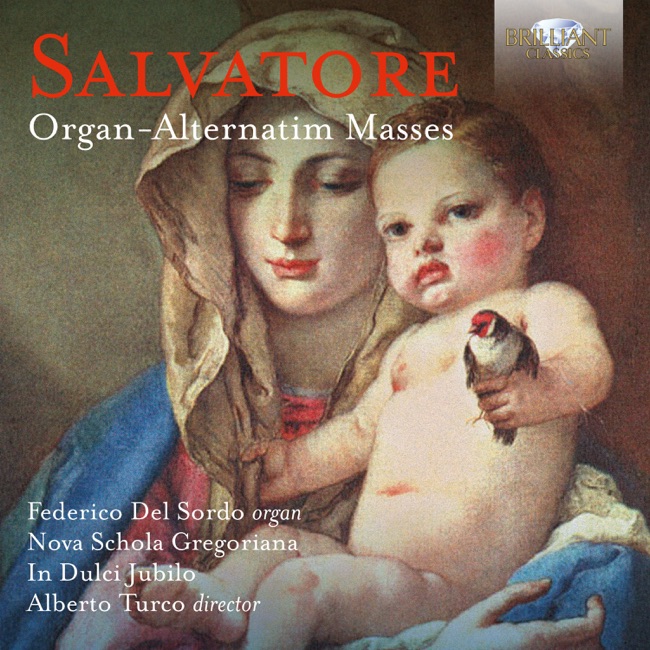
Works Info
Composer:Giovanni SalvatoreGenre:VocalAverage_duration:0:51Giovanni Salvatore was an Italian composer who lived in the 18th century. He is known for his sacred music compositions, including the 'Verso per la Messa dell'Apostoli, e Feste Doppie; Verso secondo per il Kyrie'. This piece was composed for use in the Catholic Mass and was intended to be performed during the Apostles' Feast and other double feasts. The 'Verso per la Messa dell'Apostoli, e Feste Doppie; Verso secondo per il Kyrie' is a choral composition that features four movements. The first movement is the Kyrie, which is a prayer for mercy that is sung at the beginning of the Mass. The second movement is the Gloria, which is a hymn of praise that is sung after the Kyrie. The third movement is the Credo, which is a statement of faith that is sung after the Gloria. The fourth and final movement is the Sanctus, which is a hymn of praise that is sung during the Eucharistic prayer. The 'Verso per la Messa dell'Apostoli, e Feste Doppie; Verso secondo per il Kyrie' is characterized by its use of polyphony, which is a musical technique that involves multiple voices singing different melodies at the same time. This creates a rich and complex sound that is typical of Baroque music. The piece also features a variety of vocal ranges, from the high sopranos to the low basses, which adds to its complexity and depth. The 'Verso per la Messa dell'Apostoli, e Feste Doppie; Verso secondo per il Kyrie' was likely composed in the mid-18th century, although the exact date is unknown. It was likely premiered in a Catholic church in Italy, where it would have been performed by a choir and accompanied by an organ or other instruments. Overall, the 'Verso per la Messa dell'Apostoli, e Feste Doppie; Verso secondo per il Kyrie' is a beautiful and complex choral composition that showcases Giovanni Salvatore's skill as a composer. Its use of polyphony and vocal ranges creates a rich and complex sound that is typical of Baroque music, and it is still performed today in Catholic churches around the world.More....
Works Music
Released Music
Featured Music
1
4:37
2
7:13
3
2:17
4
Verse for the Mass of the Apostles, and Double Feasts; Second verse for the Kyrie
Durezze [e] Ligature
2:41
5
1:5
6
Verse for the Mass of the Apostles, and Double Feasts; Second verse for the Kyrie
Canzon Francese Terza, del Primo tuono finto
4:4
7
1:8