Antonio de Cabezón
Tiento I del segundo tono
Released Album
Recent Album
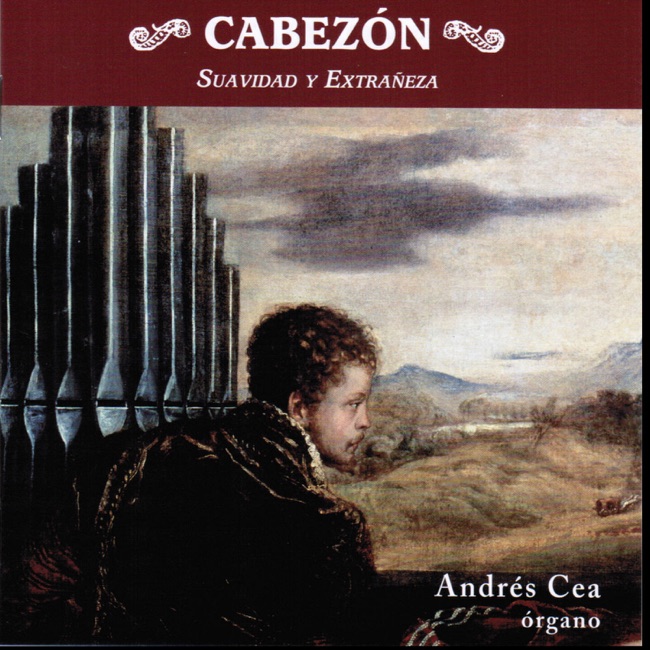
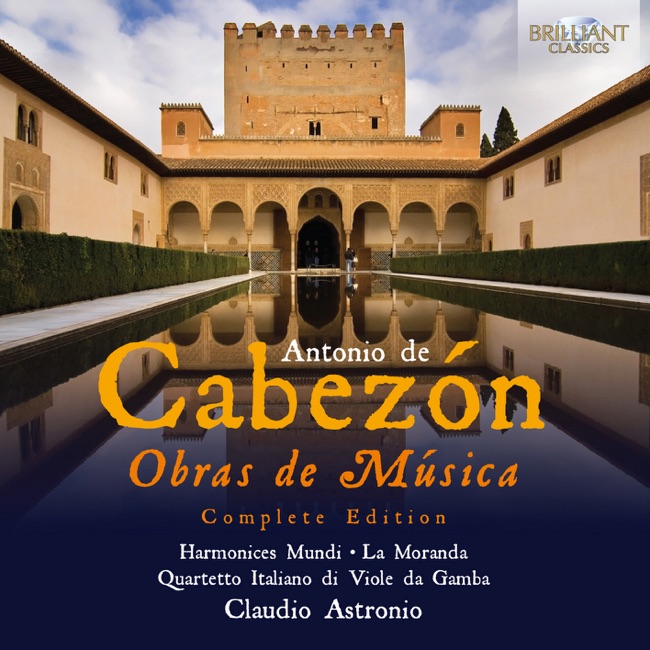
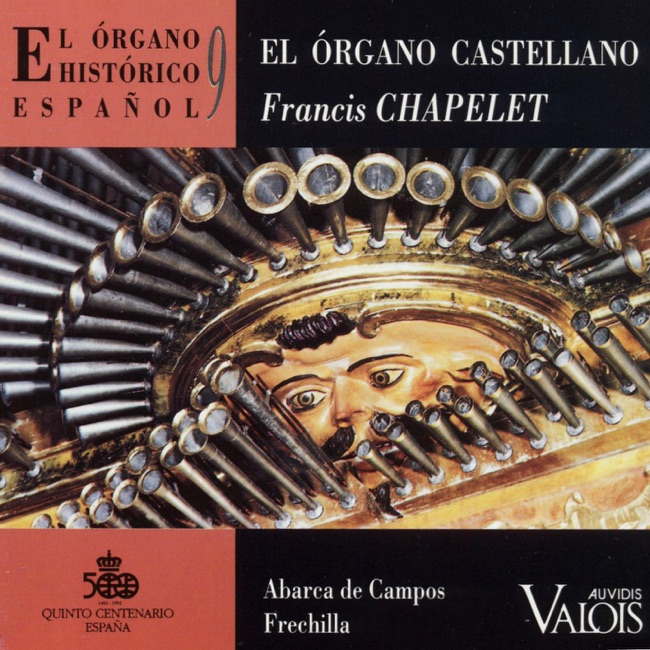
Works Info
Composer:Antonio de CabezónGenre:KeyboardStyle:KeyboardAverage_duration:3:44Antonio de Cabezón was a Spanish composer and organist who lived during the Renaissance period. He was born in 1510 in Castrillo Mota de Judíos, Burgos, and died in 1566 in Madrid. Cabezón was one of the most important composers of his time, and his works are still performed and studied today. One of Cabezón's most famous works is the 'Tiento I del segundo tono', which was composed for the organ. The piece is part of a collection of works called 'Obras de Música para Tecla, Arpa y Vihuela', which was published in 1578, twelve years after Cabezón's death. The 'Tiento I del segundo tono' is a complex piece that is divided into three movements. The first movement is in a slow tempo and is characterized by its use of dissonance and chromaticism. The second movement is faster and more lively, with a rhythmic and melodic structure that is reminiscent of dance music. The third movement is a fugue, which is a type of composition that is based on a single theme that is repeated and developed throughout the piece. One of the most notable characteristics of the 'Tiento I del segundo tono' is its use of counterpoint. Counterpoint is a technique in which two or more melodies are played simultaneously, creating a complex and harmonically rich sound. Cabezón was a master of counterpoint, and his works are known for their intricate and sophisticated use of this technique. The 'Tiento I del segundo tono' was premiered in the 16th century, and it quickly became one of Cabezón's most popular works. Today, it is still considered a masterpiece of Renaissance music, and it is often performed by organists and other musicians around the world. In conclusion, the 'Tiento I del segundo tono' is a complex and sophisticated piece of music that showcases Antonio de Cabezón's mastery of counterpoint and his ability to create rich and harmonically complex compositions. Its three movements, slow and dissonant, lively and rhythmic, and fugue-like, make it a diverse and engaging work that is still appreciated by music lovers today.More....
Works Music
Released Music