Various Composers
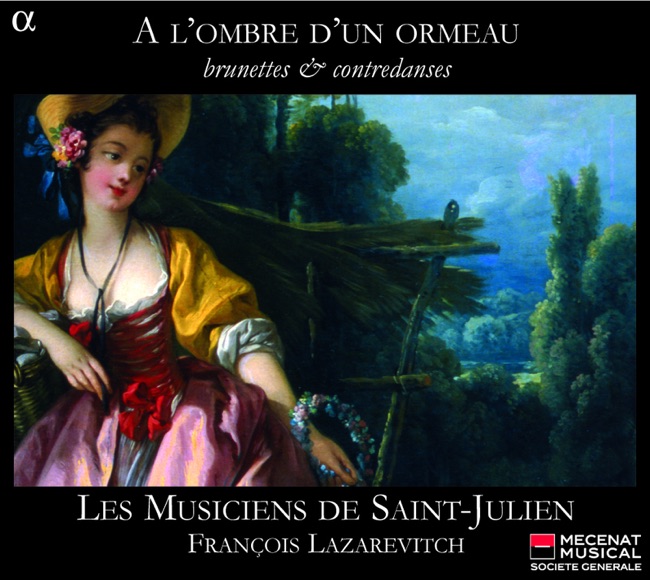
Musette des Fêtes d'Hébé (J.-P. Rameau) / A l'ombre d'un ormeau (J. Hotteterre)
Released Album
Recent Album
Works Info
Composer:Various ComposersGenre:VocalStyle:Vocal MusicAverage_duration:4:33"Musette des Fêtes d'Hébé" is a composition by Jean-Philippe Rameau, a French composer of the Baroque era. It was composed in 1739 and premiered in the same year at the Paris Opera. The piece is part of Rameau's opera "Les Fêtes d'Hébé" and is a pastoral interlude that features a musette, a type of bagpipe popular in France during the Baroque period. The musette is played by a solo instrument, usually a flute or oboe, and is accompanied by a drone played by a second instrument, typically a bassoon or cello. The piece is in the key of G major and is written in a simple, dance-like rhythm. The melody is light and airy, with a playful quality that evokes the pastoral setting of the opera. The piece is divided into two sections, each of which is repeated. The first section features the musette melody played over a simple bass line, while the second section introduces a new melody played by the accompanying instrument. The two melodies are then played together in a playful dialogue before the piece returns to the opening musette melody. "A l'ombre d'un ormeau" is a composition by Jacques Hotteterre, a French Baroque composer and flutist. It was composed in the early 18th century and is a solo flute piece that features a simple, pastoral melody. The title translates to "In the Shade of an Elm Tree," and the piece is meant to evoke the peacefulness and tranquility of a pastoral setting. The piece is in the key of G major and is written in a simple, dance-like rhythm. The melody is light and airy, with a playful quality that evokes the pastoral setting of the piece. The piece is divided into two sections, each of which is repeated. The first section features the main melody played over a simple bass line, while the second section introduces a new melody played by the flute. The two melodies are then played together in a playful dialogue before the piece returns to the opening melody. Overall, "Musette des Fêtes d'Hébé" and "A l'ombre d'un ormeau" are both examples of the pastoral style that was popular in France during the Baroque era. They feature simple, dance-like rhythms and playful melodies that evoke the peacefulness and tranquility of the countryside.More....
Works Music