Luigi Boccherini
Sonata for cello & continuo in E flat major, G. 567
Released Album
Recent Album
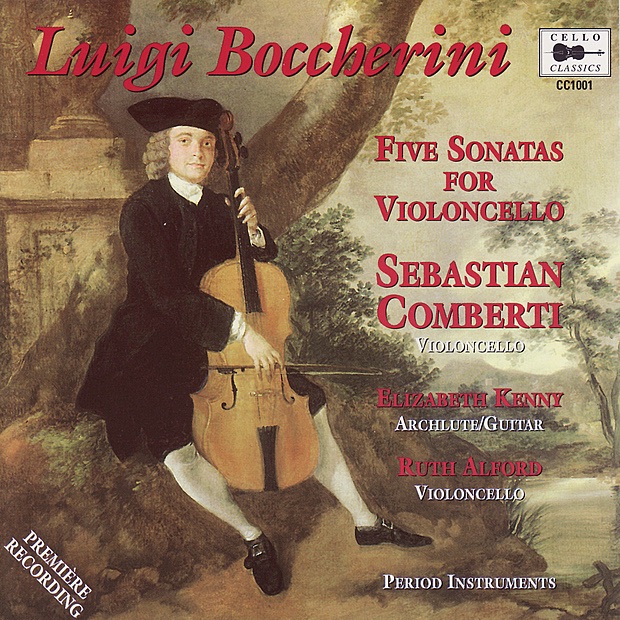
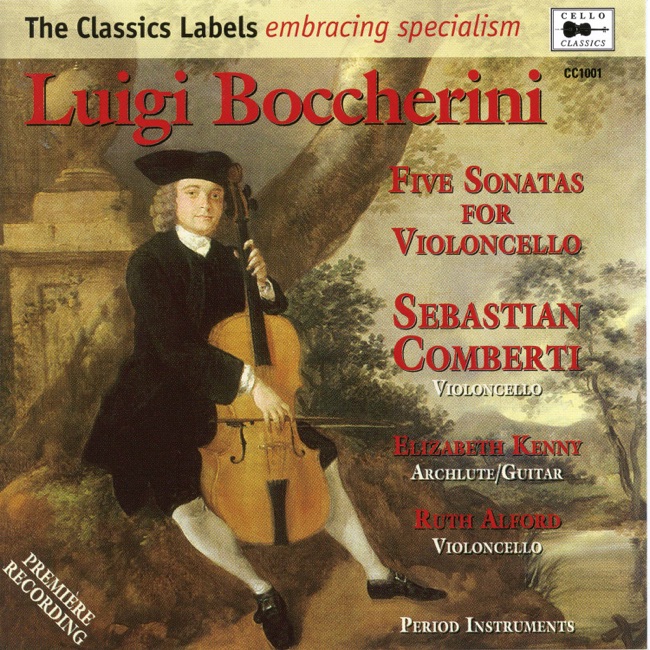
Works Info
Composer:Luigi BoccheriniGenre:ChamberStyle:SonataPublication Date:1769Average_duration:9:41Movement_count:3Movement ....Luigi Boccherini's Sonata for cello & continuo in E flat major, G. 567, was composed in the late 18th century. The exact date of composition is unknown, but it is believed to have been written between 1770 and 1780. The sonata is one of Boccherini's most popular works for cello and is frequently performed in concerts and recitals. The sonata consists of three movements: Allegro moderato, Adagio, and Allegro. The first movement, Allegro moderato, is in sonata form and begins with a lively and energetic theme played by the cello. The theme is then developed and expanded upon throughout the movement, with the cello and continuo engaging in a lively and playful dialogue. The second movement, Adagio, is a slow and lyrical piece that showcases the cello's expressive capabilities. The cello plays a beautiful and melancholic melody, accompanied by the continuo. The final movement, Allegro, is a lively and upbeat piece that brings the sonata to a joyful and triumphant conclusion. The sonata is characterized by Boccherini's signature style, which is characterized by its elegance, grace, and lyricism. The cello is the star of the show, with Boccherini giving it ample opportunity to showcase its virtuosity and expressiveness. The continuo, which is typically played on a harpsichord or a cello, provides a rich and supportive accompaniment to the cello's melodies. Overall, Boccherini's Sonata for cello & continuo in E flat major, G. 567, is a beautiful and engaging work that showcases the cello's versatility and expressive capabilities. Its popularity among cellists and audiences alike is a testament to its enduring appeal and timeless beauty.More....
Works Music
Released Music