


George Frederick Handel
Chandos Anthem No. 9 in E flat, "O Praise the Lord With One Consent", HWV 254
Released Album
Recent Album

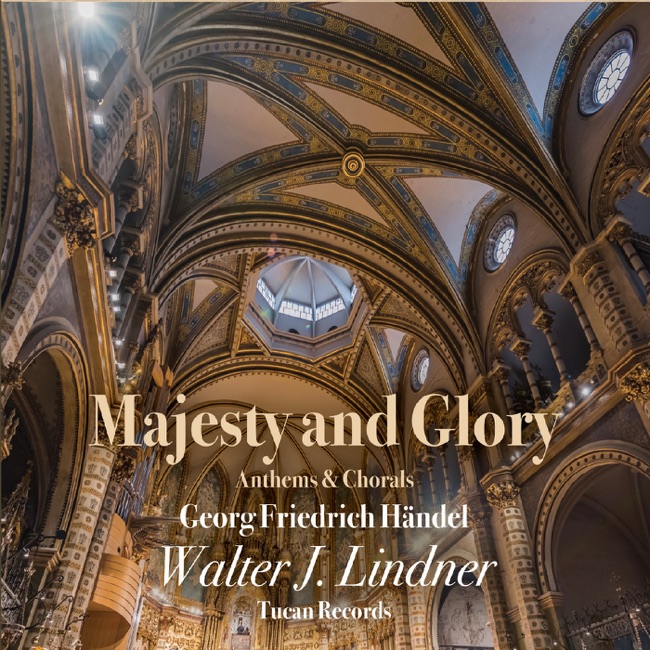
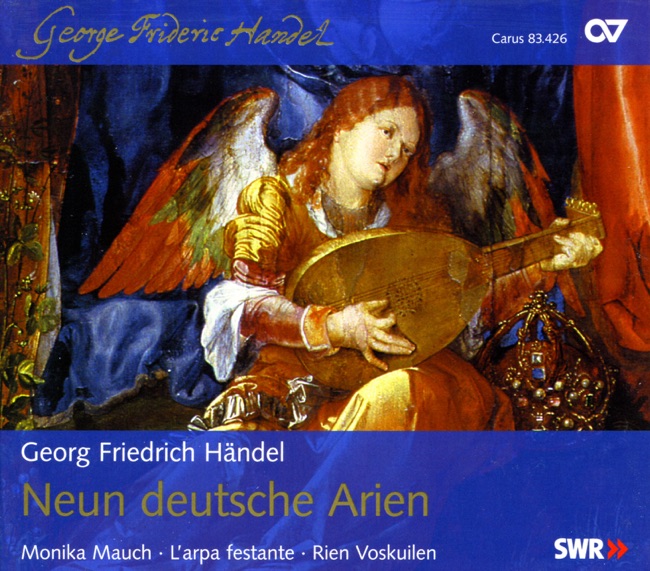
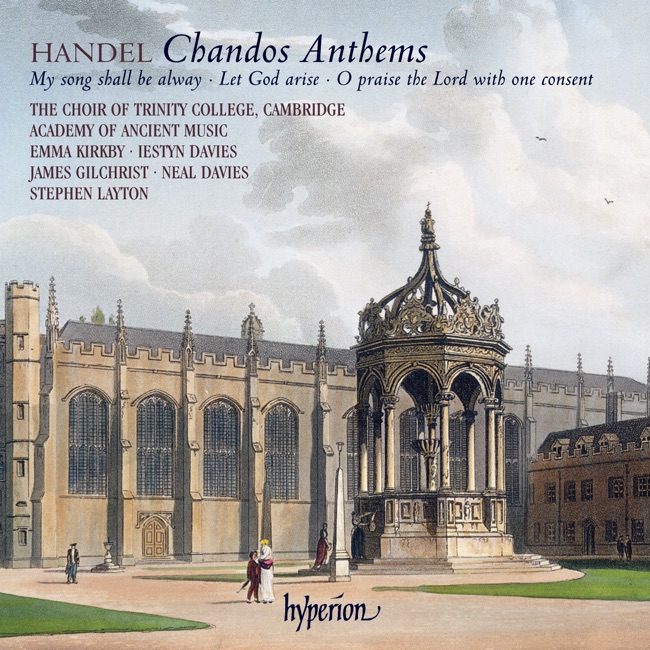
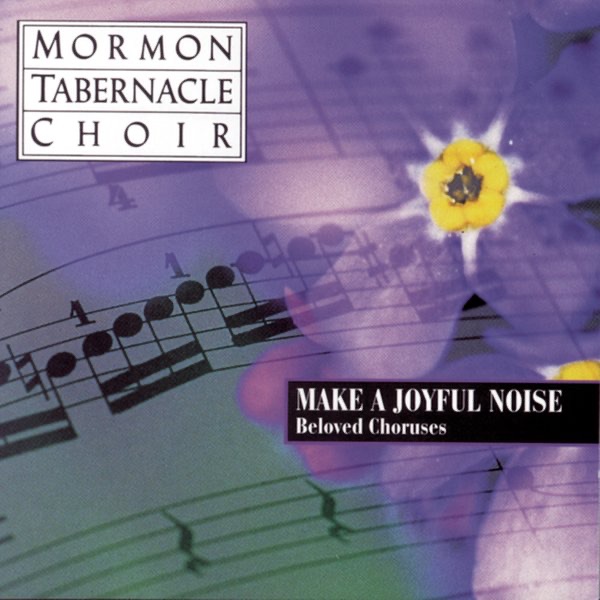
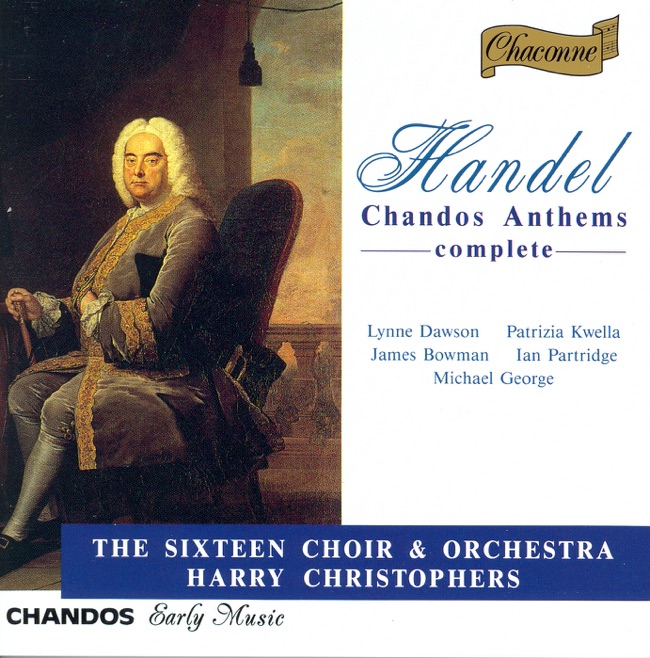
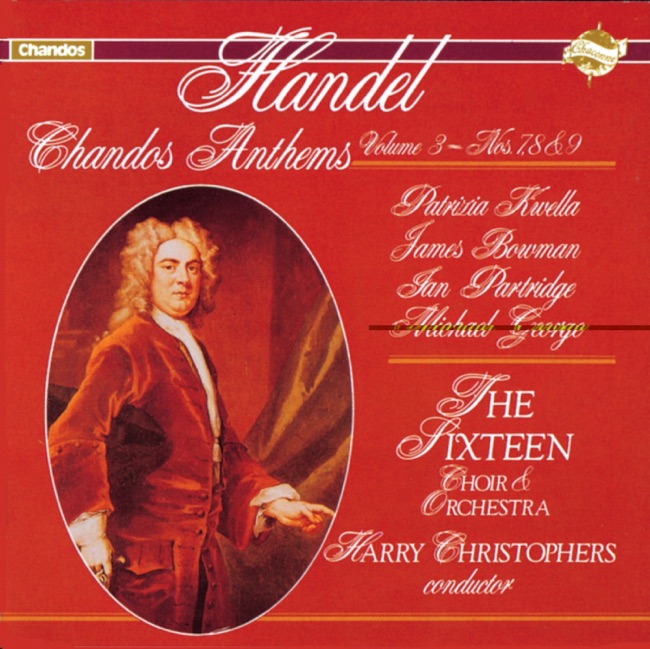
Works Info
Composer:George Frederick HandelGenre:ChoralStyle:AnthemCompose Date:1717 - 1718Average_duration:24:11Movement_count:8Movement ....George Frederick Handel's 'Chandos Anthem No. 9 in E flat, O Praise the Lord With One Consent, HWV 254' was composed in 1717 for the Duke of Chandos, who was a patron of Handel's music. The anthem was premiered at the Duke's chapel in Cannons, London, on 17th June 1717. The anthem is divided into four movements, each with its own distinct character. The first movement is a grand and majestic chorus, featuring a full choir and orchestra. The second movement is a duet for two sopranos, accompanied by a solo violin and continuo. This movement is more intimate and expressive than the first, with a focus on the beauty of the human voice. The third movement is a bass aria, accompanied by a solo cello and continuo. This movement is more contemplative and introspective, with a focus on the text and its meaning. The final movement is a lively and joyful chorus, featuring a full choir and orchestra. This movement is a celebration of the text and its message of praise and thanksgiving. The characteristics of the anthem are typical of Handel's style, with grand and majestic choruses, expressive and beautiful vocal solos, and virtuosic instrumental accompaniment. The text of the anthem is taken from Psalm 135 and is a celebration of God's greatness and power. Handel's music reflects the text, with grand and majestic music for the opening chorus, and more intimate and expressive music for the vocal solos. Overall, 'Chandos Anthem No. 9 in E flat, O Praise the Lord With One Consent, HWV 254' is a beautiful and uplifting work, typical of Handel's style and a testament to his skill as a composer.More....
Works Music
Released Music
1

Chando's Anthem No. 9 in E flat, "O Praise the Lord With One Consent", HWV 254
O praise the Lord with one consent
6:28
2
Chando's Anthem No. 9 in E flat, "O Praise the Lord With One Consent", HWV 254
1. O praise the Lord with one consent, Chorus
7:14
3
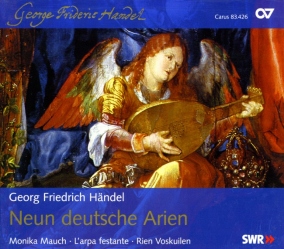
Chando's Anthem No. 9 in E flat, "O Praise the Lord With One Consent", HWV 254
O praise the Lord with one consent
5:6
4
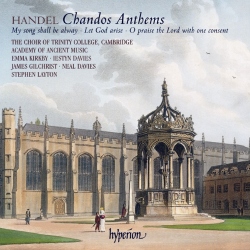
Chando's Anthem No. 9 in E flat, "O Praise the Lord With One Consent", HWV 254
O praise the Lord with one consent
5:17
5
2:12
6
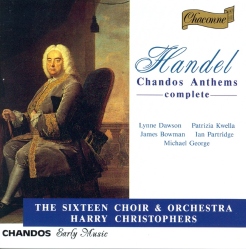
Chando's Anthem No. 9 in E flat, "O Praise the Lord With One Consent", HWV 254
O praise the Lord with one consent
5:12
7
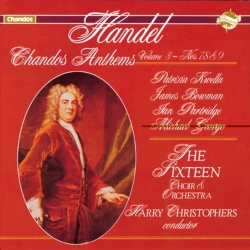
Chando's Anthem No. 9 in E flat, "O Praise the Lord With One Consent", HWV 254
With cheerful notes let all the earth
3:24
8
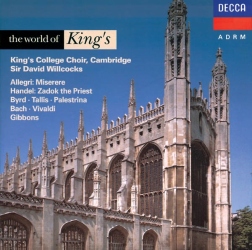
Chando's Anthem No. 9 in E flat, "O Praise the Lord With One Consent", HWV 254
O praise the Lord with one consent
6:15