Pauline Viardot
Die Kapelle
Released Album
Recent Album
Works Info
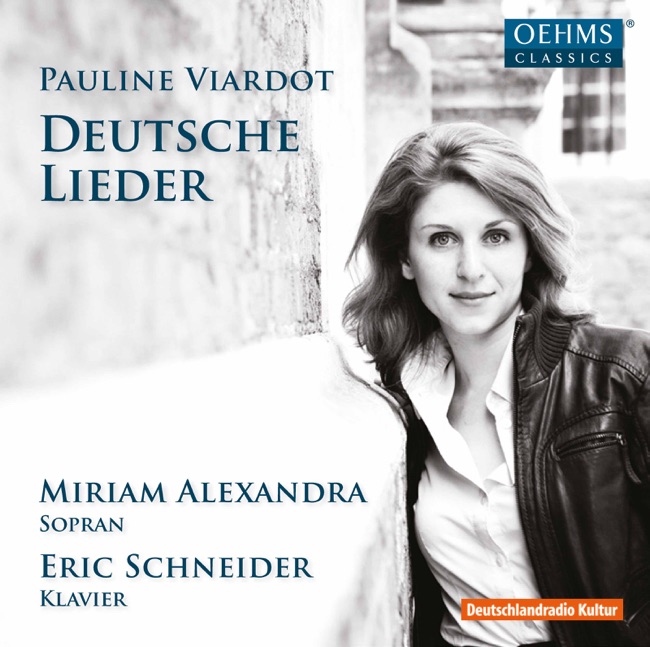
Composer:Pauline ViardotGenre:VocalAverage_duration:3:13Die Kapelle is a chamber music piece composed by Pauline Viardot in 1863. The piece was premiered in Paris in the same year. It is a four-movement work that showcases Viardot's skill in composing for voice and piano. The first movement, titled "L'invitation au voyage" (Invitation to the Voyage), is a setting of a poem by Charles Baudelaire. The piece begins with a gentle piano introduction that sets the mood for the dreamy and romantic text. The vocal line is lyrical and expressive, with long phrases that flow seamlessly into each other. The piano accompaniment is delicate and supportive, providing a lush harmonic backdrop for the voice. The second movement, "La chanson de la bien-aimée" (The Song of the Beloved), is a setting of a poem by Victor Hugo. This movement is more lively and rhythmic than the first, with a playful piano accompaniment that dances around the vocal line. The vocal line is more declamatory in this movement, with shorter phrases and a more staccato delivery. The third movement, "Le temps des lilas" (The Time of Lilacs), is a setting of a poem by Théophile Gautier. This movement is slower and more introspective than the previous two, with a mournful piano introduction that sets the tone for the melancholy text. The vocal line is more restrained in this movement, with a more subdued delivery that reflects the sadness of the text. The final movement, "Les filles de Cadix" (The Girls of Cadiz), is a setting of a traditional Spanish song. This movement is the most lively and upbeat of the four, with a jaunty piano accompaniment that sets the rhythm for the dance-like vocal line. The vocal line is more virtuosic in this movement, with rapid runs and trills that showcase the singer's technical skill. Overall, Die Kapelle is a beautiful and expressive work that showcases Viardot's skill as a composer for voice and piano. The four movements are varied in mood and style, but they are united by Viardot's lyrical and expressive writing for the voice.More....
Works Music
Released Music